There was a time when watching television was a whole family activity. By 8 pm or 9 pm, everyone could be gathered in the sitting room, waiting for their favourite show to begin. Some people came for the singing, others came for the dancing, and some of us just wanted to see who would win.
From families showing off their dance moves to aspiring singers chasing their dreams, Nigerian television gave us some memorable competitions. We had our favourites, argued about who deserved to win, and sometimes felt genuinely sad when our favourite contestants were eliminated.
If you grew up watching Nigerian television in the 2000s and 2010s, these ten shows might bring back a few memories.
1.Maltina Dance All
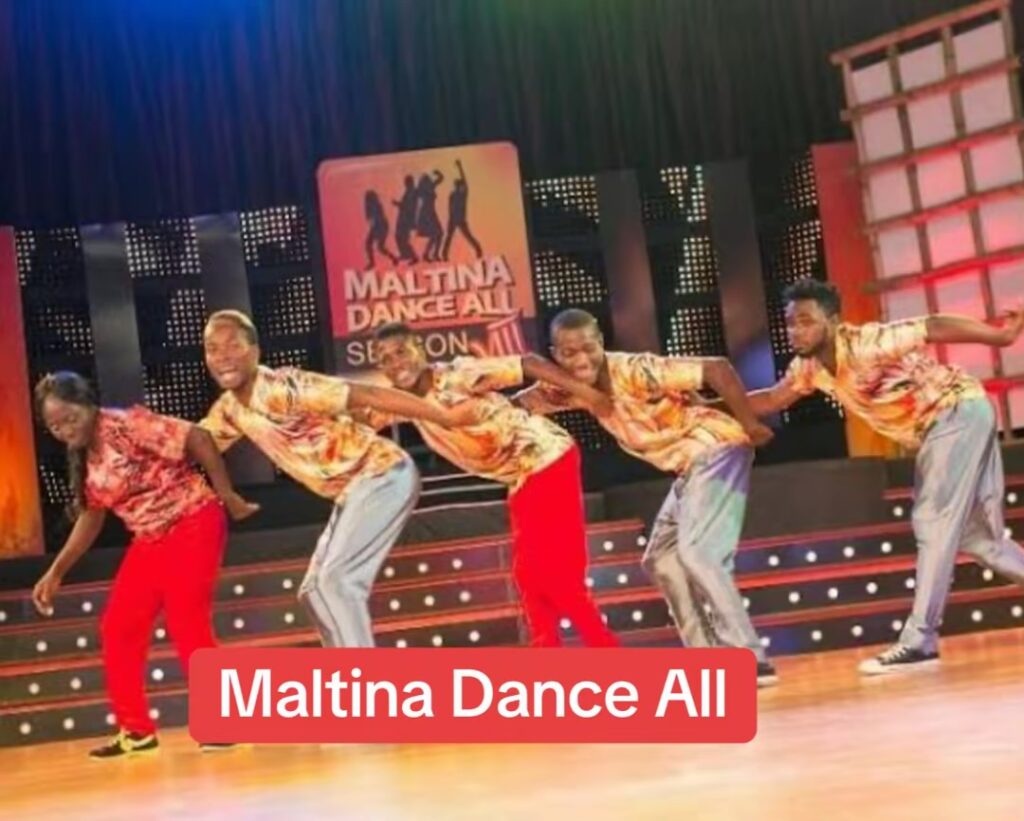
If you watched television around 2007 to 2014, there’s a good chance you remember Maltina Dance All. The family dance competition was one of those shows that could get the whole household talking.
What made it particularly interesting was that it wasn’t just about one talented dancer. Entire families competed, and you could see different members stepping out of their comfort zones to deliver performances. Sometimes, a family you thought had no chance would surprise everyone, with mothers, fathers and children showing off dance moves you never imagined they had.
And who remembers Octopus? Some viewers will remember the excitement surrounding the dancers and the performances that made the competition entertaining.
There was something special about choosing your favourite family, watching them perform week after week and hoping they would make it to the next round. When a family you supported was eliminated, it could feel surprisingly disappointing.
Maltina Dance All was sponsored by the makers of Maltina and became known for bringing family entertainment into Nigerian homes. It ran for several seasons before ending its original run in 2014.
2.Peak Talent Show

Not everybody could sing or dance, but Peak Talent Show gave people with different abilities a chance to show what they could do.
Launched in 2009 by Peak Milk, the competition welcomed a variety of talents, including singing, dancing, miming, acrobatics and other entertaining performances. This meant you never quite knew what the next contestant would bring to the stage.
One person could come out singing, another could deliver an impressive dance routine, and someone else could perform a skill that left the audience wondering how they did it.
The competition also gave contestants an opportunity to gain recognition beyond their immediate communities. For viewers, it was an opportunity to discover people who might not otherwise have had a platform to showcase their abilities.
Peak Talent Show may not come up in every conversation about Nigerian reality television today, but for those who remember it, it was part of an era when television competitions made room for all kinds of talent.
3.Who Wants to Be a Millionaire?

“Is that your final answer?”
If you remember this question, you probably remember Frank Edoho and Who Wants to Be a Millionaire? too.
The Nigerian version of the popular quiz show began on October 8, 2004, with Frank Edoho becoming one of the most recognisable faces on Nigerian television.
The idea sounded simple enough: answer questions correctly and work your way towards the grand prize. But sitting at home and answering questions was very different from being in the hot seat with millions of naira at stake.
Many of us were confident we knew the answers. We would shout at the television, wondering why a contestant was taking so long to answer a question we thought was obvious. Then the contestant would hesitate, and suddenly we would start doubting ourselves too!
The lifelines added another layer of suspense. Would the contestant use 50:50? Call a friend? Ask the audience? And what happened when even the lifelines didn’t provide a convincing answer?
The show originally ended its first run in 2017 and returned in 2022. Frank Edoho’s calm delivery, expressions and perfectly timed pauses helped make the programme memorable.
It was one of those shows that reminded us that knowing an answer at home and answering under pressure were two very different things.
4.Nigerian Idol
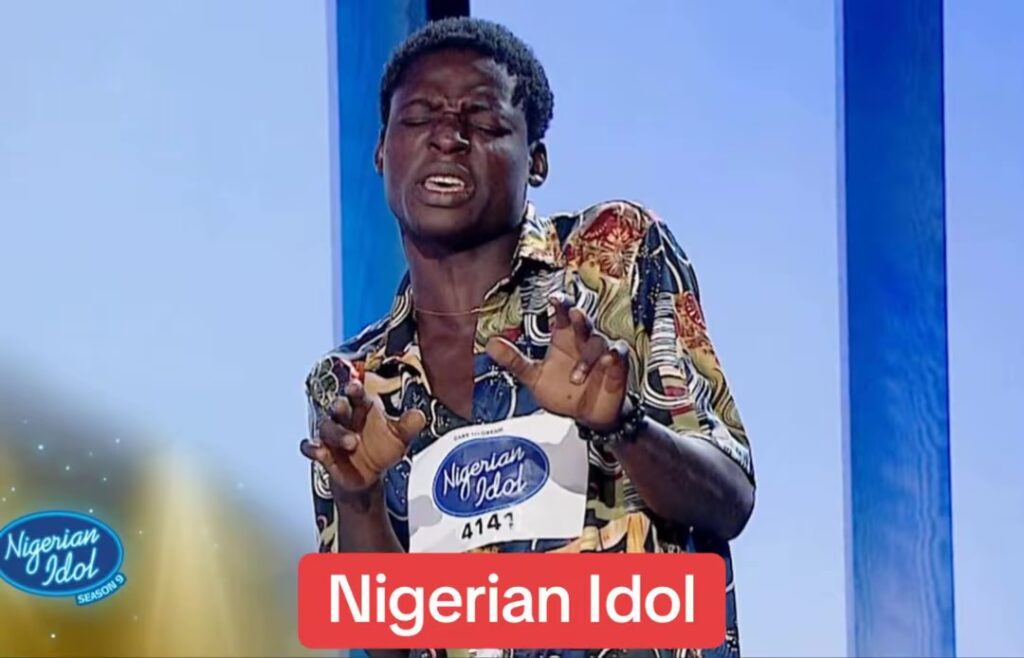
Before social media made it possible for almost anyone to share their singing online, television talent competitions were an important way for aspiring musicians to introduce themselves to a much larger audience.
Nigerian Idol began in 2010 and brought together contestants hoping to turn their voices into successful music careers.
The auditions were always an interesting part of the experience. You could hear a contestant with an incredible voice one minute and watch another deliver a performance that left viewers laughing or wondering what had just happened.
But the real attachment often came after the contestants were selected. As the competition progressed, viewers developed favourites, discussed performances and hoped their preferred singer would make it through another week.
Sometimes, a contestant you expected to win would leave, and you would be left wondering how the judges or viewers had reached that decision.
Nigerian Idol also gave viewers an opportunity to discover singers before they became more widely recognised. Its first season aired in 2010, and the programme has returned for later seasons, including its tenth season in 2025.
5.MTN Project Fame West Africa
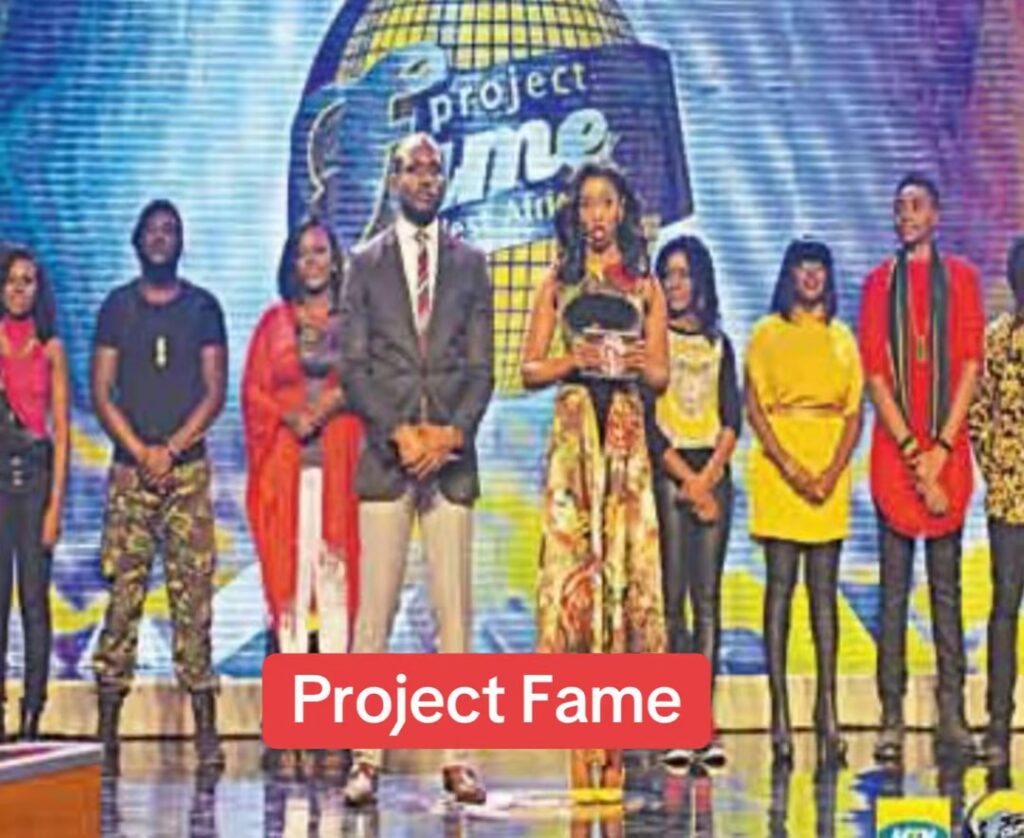
For many aspiring singers, Project Fame was more than a competition. It was an opportunity to learn, improve and experience what it took to become a professional performer.
The show launched in 2008 and followed contestants as they received training, prepared for performances and competed for the opportunity to launch their music careers.
Unlike competitions where viewers only saw the final performance, Project Fame allowed audiences to follow contestants through their development. You could watch someone struggle with a performance one week and return with more confidence the next.
And, of course, people had their favourites. Some viewers supported contestants because of their voices, while others became attached to their personalities and the progress they made throughout the competition.
The programme produced several familiar names in Nigerian entertainment. Iyanya won the inaugural season, while Chidinma Ekile won the third season. Other contestants, including Praiz and Niniola, also went on to build music careers.
Project Fame ended its run in 2016, but its influence on conversations about Nigerian music talent remains part of its legacy.
6.Big Brother Africa
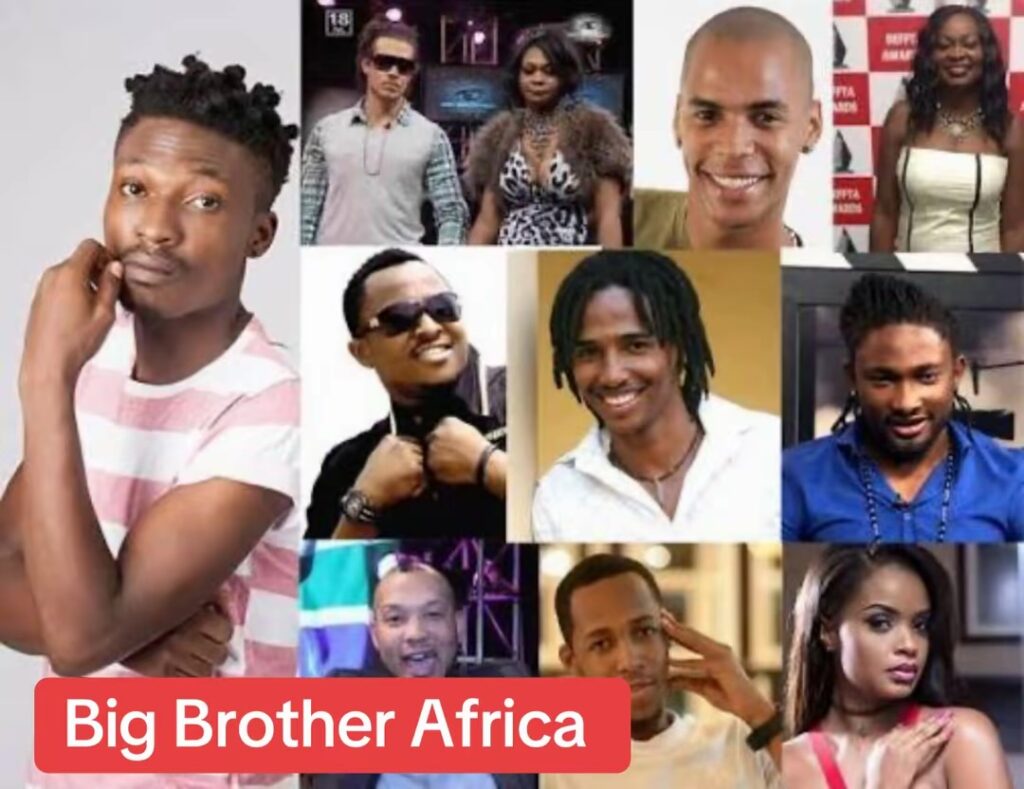
Before Big Brother Naija became a major part of Nigerian entertainment conversations, there was Big Brother Africa.
The pan-African reality show began in 2003, bringing housemates from different African countries together under one roof. Viewers watched their relationships, disagreements, friendships and everyday interactions unfold.
Part of the attraction was seeing people from different backgrounds live together. Their different personalities and approaches to life often led to interesting situations, and viewers naturally developed favourites.
People discussed housemates, debated their behaviour and followed the drama as it unfolded. You could support one person because you liked their personality and disagree with another because of how they handled a situation.
For many viewers, Big Brother Africa also offered a glimpse into everyday life and social dynamics across the continent.
The show eventually ended its original run in 2014. Big Brother Naija later became a major reality television franchise in Nigeria, but Big Brother Africa remains an important part of the country’s reality TV history.
7.Amstel Malta Box Office (AMBO)

Before every aspiring actor could use social media to showcase their talent, Amstel Malta Box Office offered hopefuls an opportunity to pursue careers in Nollywood.
The reality show launched in 2005 and focused on discovering promising actors. Contestants went through different stages of the competition as they worked towards winning the opportunity to establish themselves in the film industry.
For viewers who loved Nollywood, the show was especially interesting because the prize was connected to something many aspiring entertainers dreamed of: a chance to act in films and build a career.
The competition also gave audiences the opportunity to follow contestants beyond a single audition. As the show progressed, viewers could see different personalities and acting abilities emerge.
Several familiar names came through AMBO, including OC Ukeje, Ivie Okujaye and Bayray McNwizu. The fifth edition, which concluded in 2009, was won by Ivie Okujaye.
Looking back, AMBO was one of those programmes that reminded viewers that becoming an actor could begin with an opportunity to prove yourself in front of an audience.
8.Gulder Ultimate Search

Remember when contestants would venture into the wilderness in search of hidden treasure, while we sat at home, glued to our screens? Gulder Ultimate Search was one of Nigeria’s most exciting reality shows, combining adventure, survival challenges and the thrill of competition.
First aired in 2004, the show tested contestants’ strength, intelligence and determination. It was the kind of programme that kept you guessing about who would find the treasure and emerge victorious.
Sadly, the show also had a tragic moment. In 2007, contestant Anthony Mudiaga Ogadje died in a reported drowning accident during the competition at Shere Hills, Jos. The show was suspended following the incident. Although people have linked its eventual disappearance to the tragedy, the programme later returned in 2021 after its original run ended in 2014.
Gulder Ultimate Search remains one of those shows many Nigerians remember fondly. It was proof that television could be both educational and entertaining.
9.Star Quest
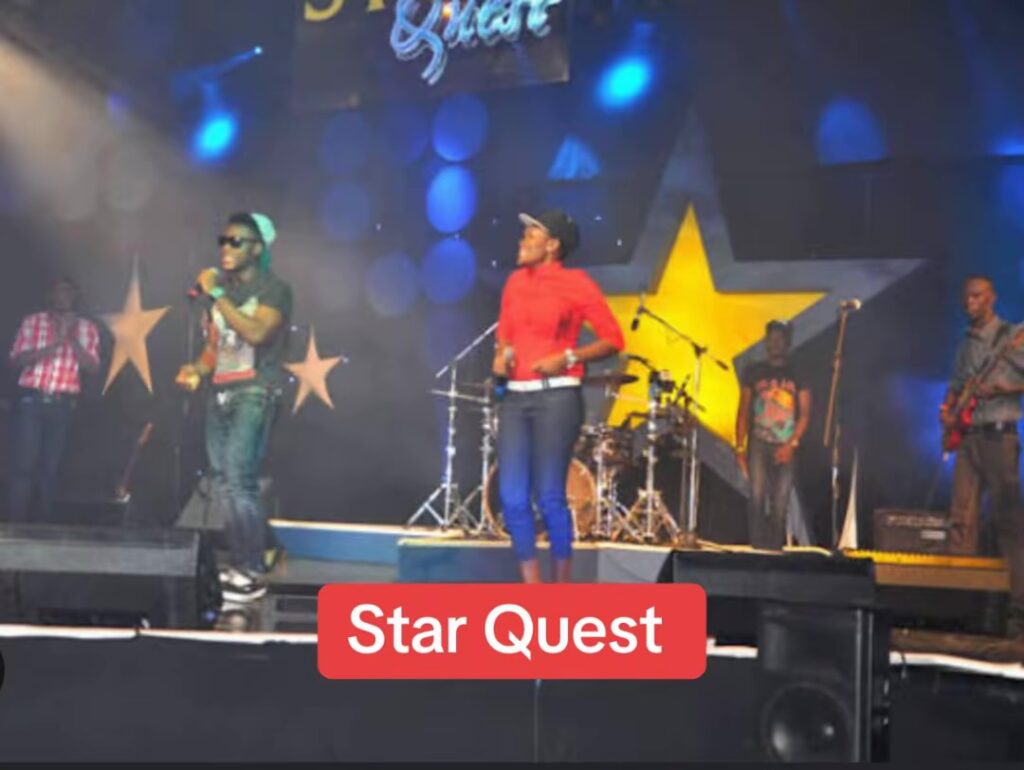
If you remember Nigerian music groups such as KC Presh and P-Square, you might remember Star Quest too.
Launched in 2002 by Nigerian Breweries under its Star brand, Star Quest was a music competition that brought aspiring musicians together to form bands and compete for a recording deal.
The group format made it different from competitions focused entirely on individual singers. Contestants had to work together, develop their sound and deliver performances that could impress both the judges and viewers.
That teamwork was part of the attraction. It wasn’t simply about having the best voice; the contestants also had to find a way to make their group work.
The competition helped introduce acts including KC Presh and P-Square to wider audiences, alongside other performers who went on to pursue careers in entertainment.
Star Quest had several editions over the years, with its last run taking place before the organisers moved on to other entertainment projects. By 2014, the show had been rested after roughly a decade of helping aspiring musicians gain exposure.
For music lovers, it remains one of the notable Nigerian television competitions of its era.
10.Nigerian Idol
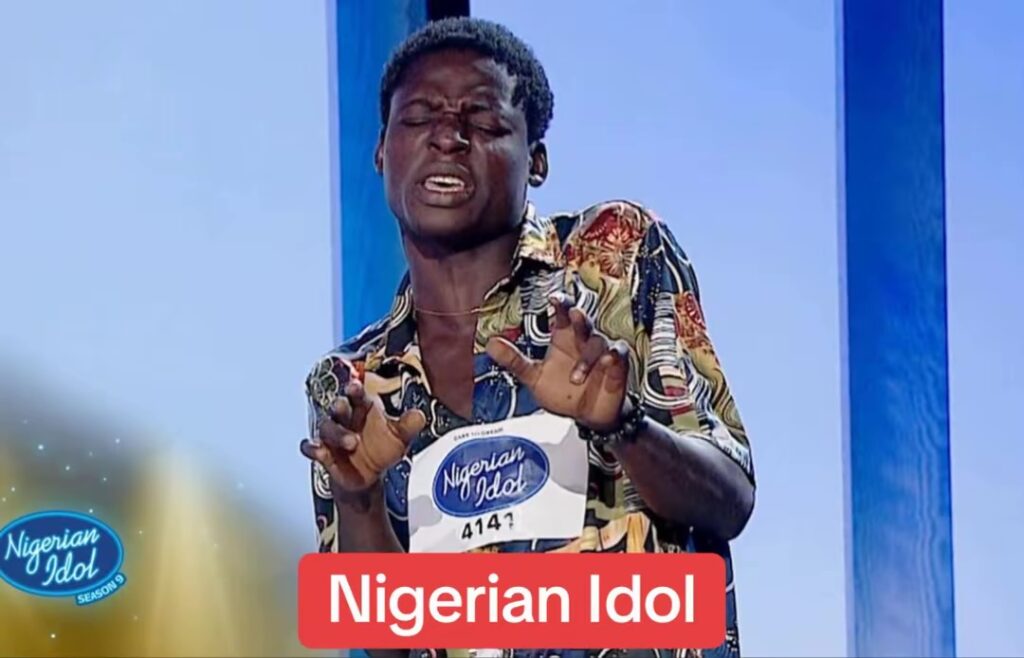
Nigerian Idol was another show that kept us glued to our television screens. From the auditions to the live performances, there was always something to look forward to. Some contestants came with incredible voices, while others gave us performances that left us laughing. And as the competition progressed, we picked our favourites and hoped they would win.
But beyond the entertainment, Nigerian Idol gave talented Nigerians a platform to pursue their musical dreams. The show began in 2010 and has produced stars such as Mercy Chinwo, who went on to become a major name in gospel music, as well as winners like Yeka Onka, Evelle and K-Peace.
What made it special was watching ordinary people step onto a big stage and showcase their talent to the world. Sometimes, your favourite would be eliminated, and you would wonder how it happened. Other times, you watched someone win and felt genuinely happy for them.
Nigerian Idol reminded us that incredible talent could come from anywhere, and it gave many aspiring singers a chance to be heard. After a break, the show returned in 2021 and continued discovering new voices, including Victory Gbakara and Chima Udoye.
Those Were the Days!
Looking back, these competitions were about more than the prizes or the eventual winners. They gave families something to watch together, created conversations in schools and workplaces, and introduced audiences to people who were just beginning their journeys in entertainment.
We picked favourites, argued about performances and sometimes felt personally disappointed when a contestant we supported was eliminated.
Television has changed considerably since then, and entertainment is now available on our phones whenever we want it. But there was something special about waiting for a particular show to come on and watching it with everyone at home.
Which of these Nigerian TV competitions do you remember watching, and which one would you love to see return?
Leave a Reply