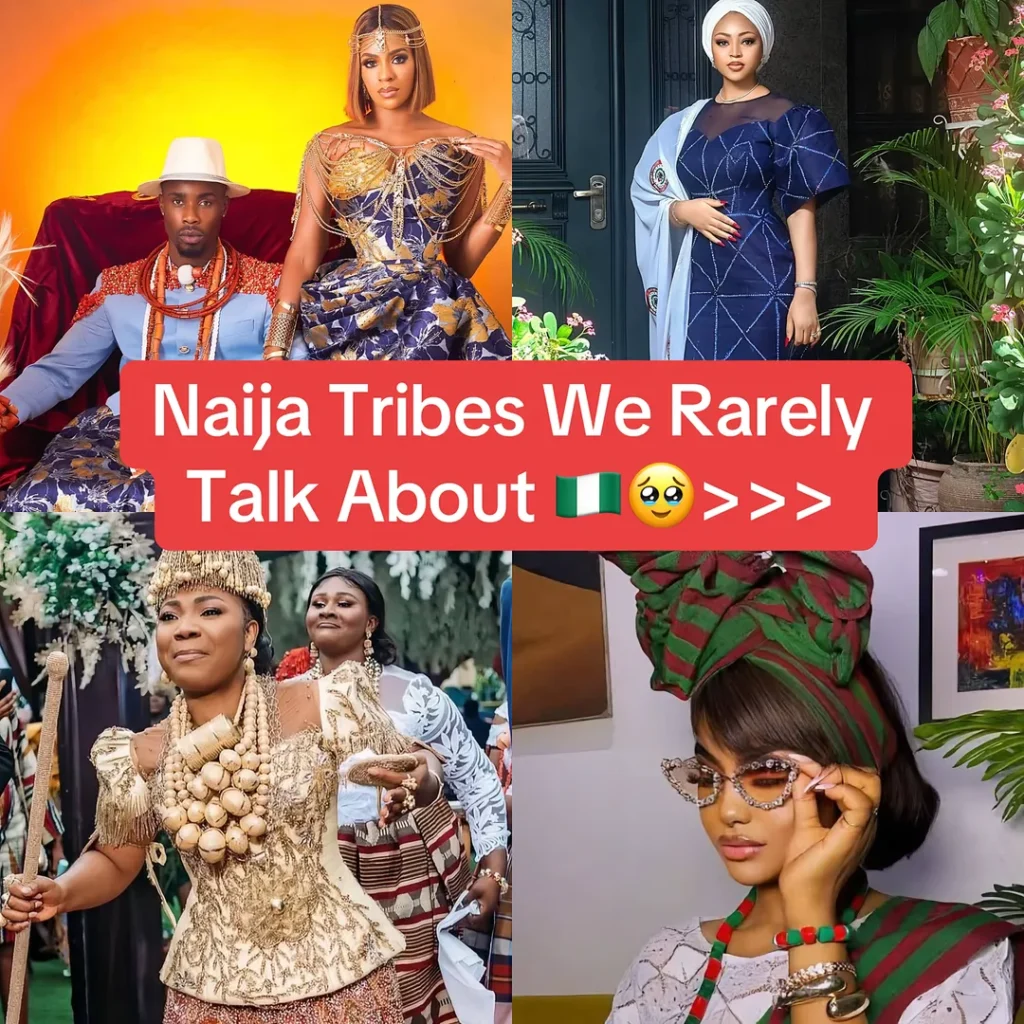
Naija Tribes We Rarely Talk About
Nigeria has more than 250 ethnic groups, yet we mostly hear about the big three. Behind them are communities with ancient kingdoms, sacred masquerades, famous art, and festivals that deserve the spotlight. Here are 26 of them.
Middle Belt and Plateau
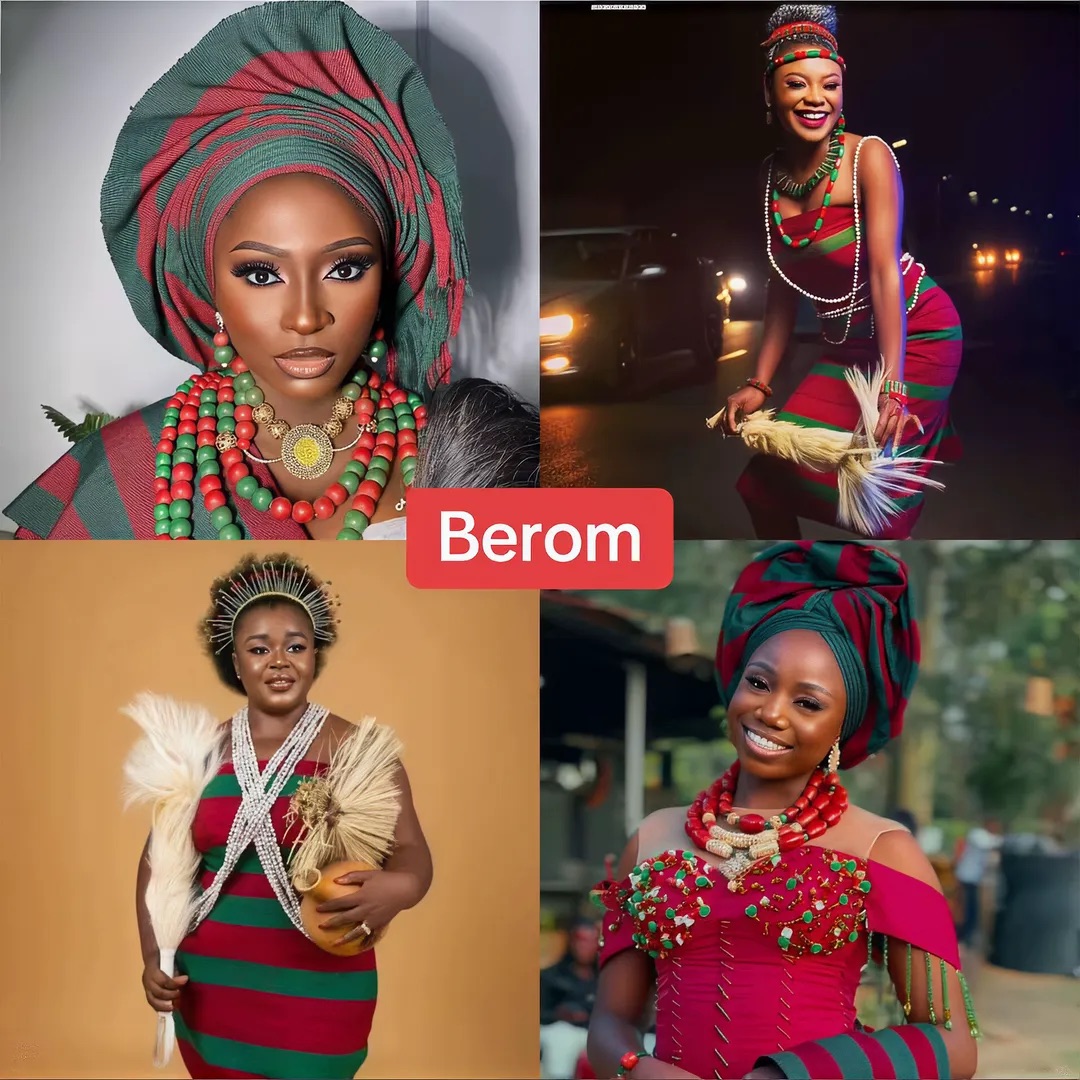
Berom
One of the largest groups on the Jos Plateau, known for strong farming traditions, communal spirit, and vibrant cultural festivals.
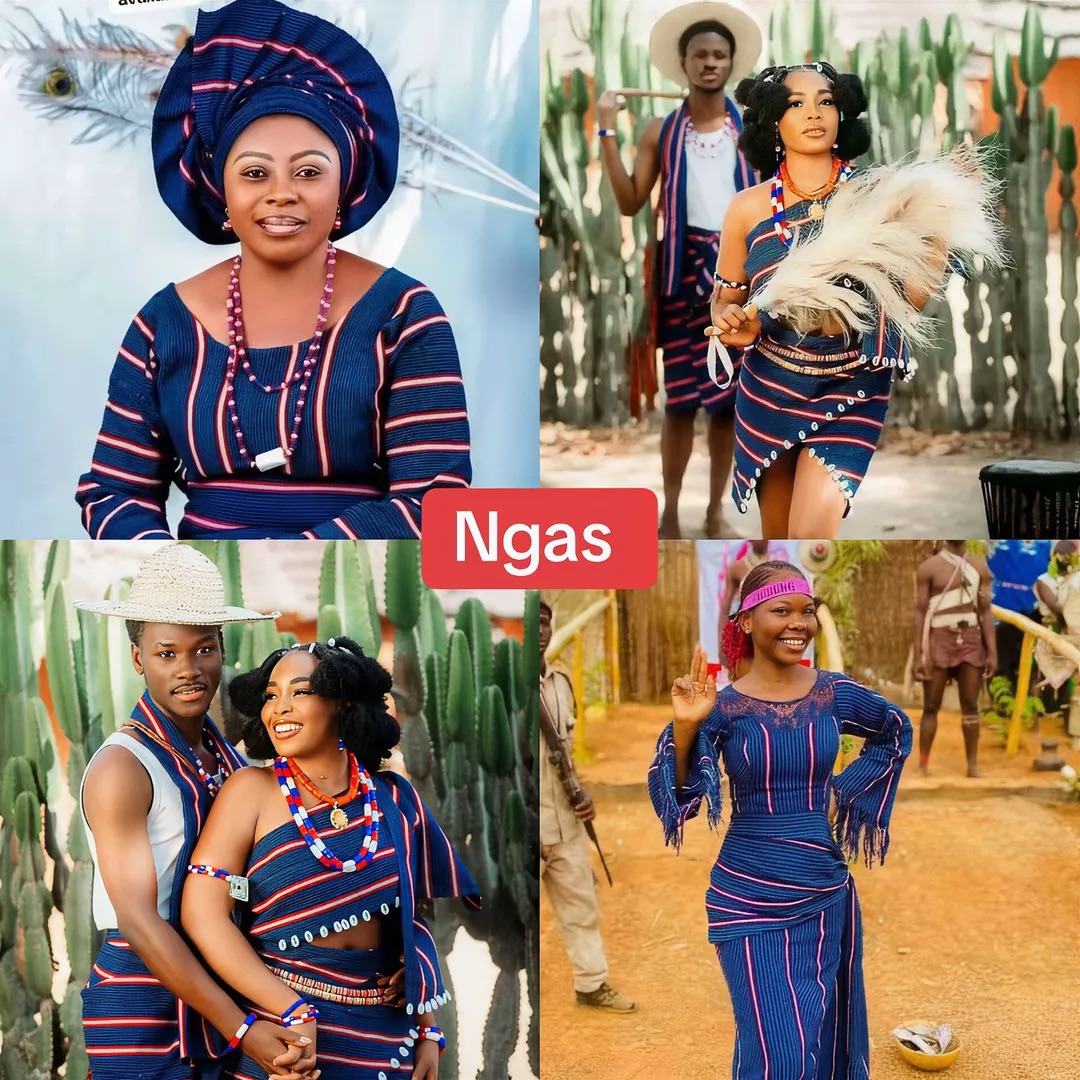
Ngas
Also called Angas, they are known for their warrior heritage, wrestling, and lively drum-driven dances.
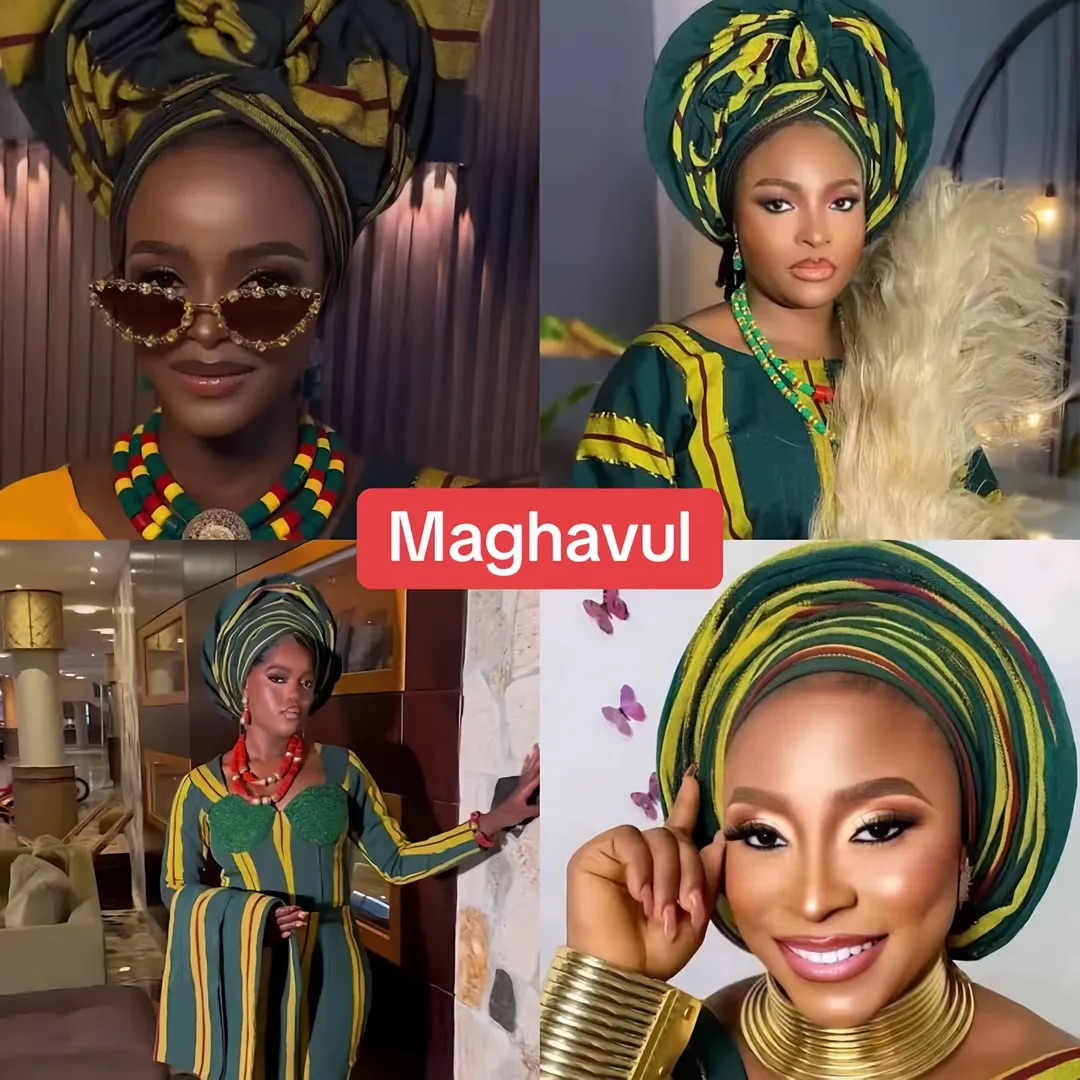
Mwaghavul (Maghavul)
Based around Mangu on the Plateau, they are known for farming and proud, tightly knit communities.
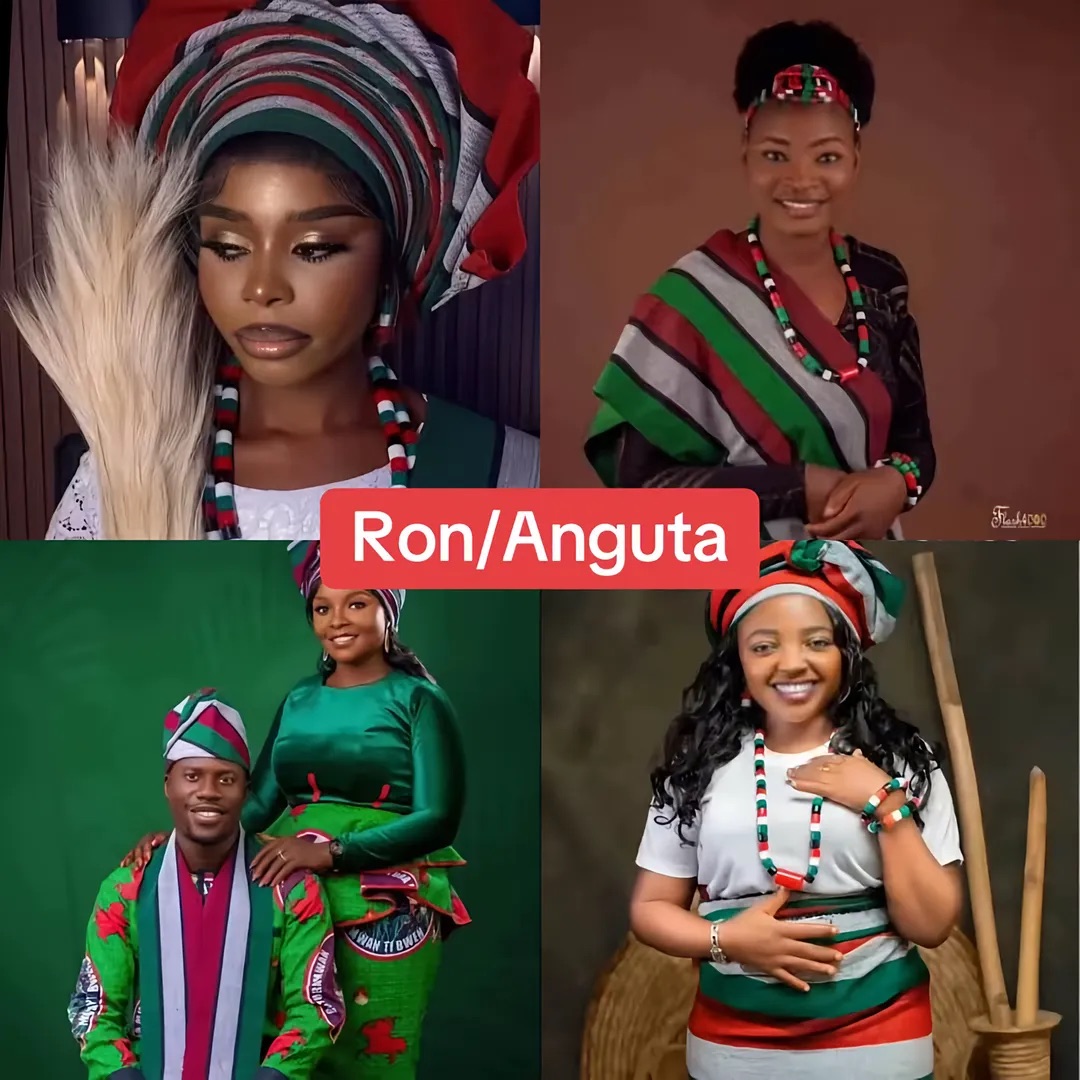
Ron (Angwutta)
A small Plateau community, largely around Bokkos, that keeps its language and customs strongly alive.
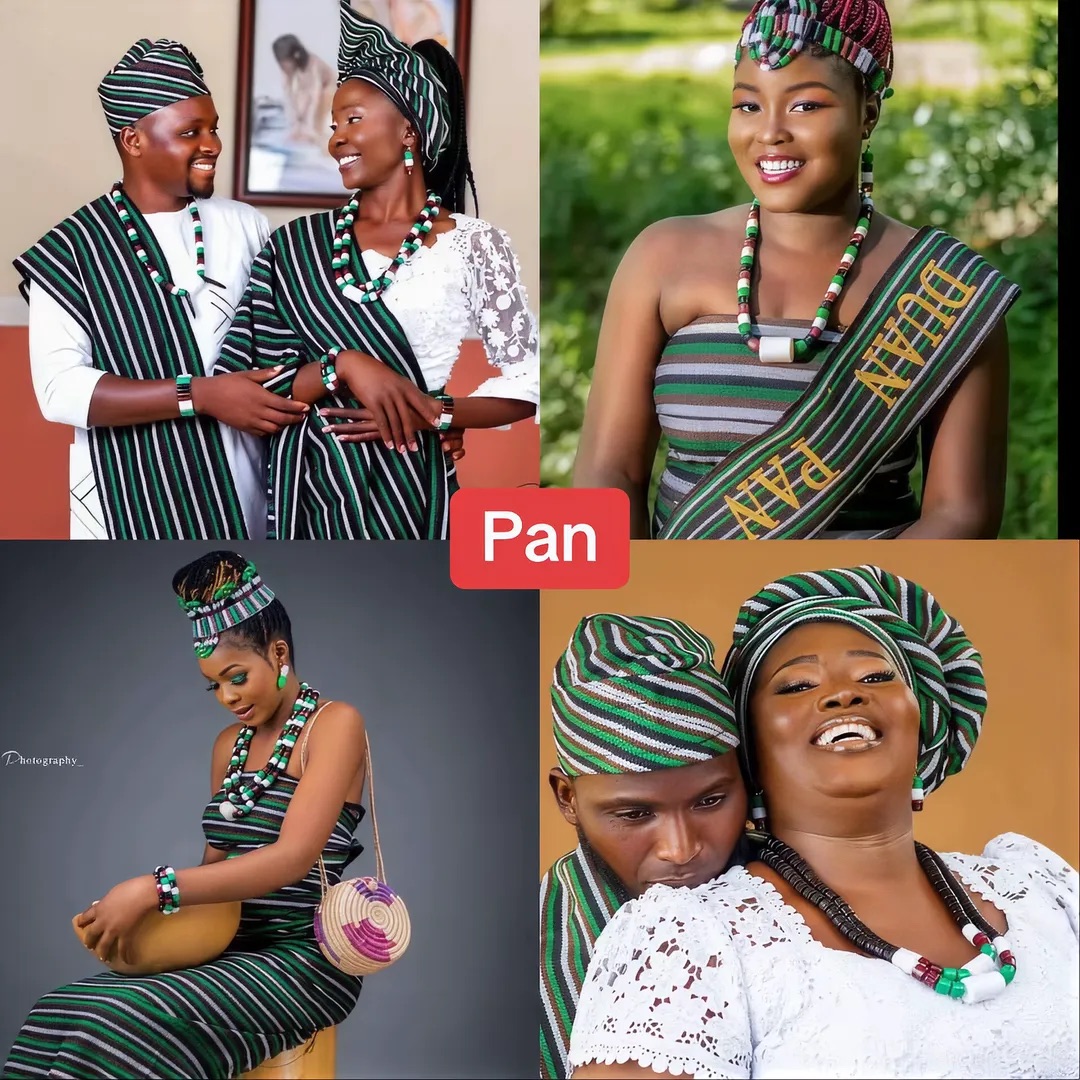
Pan
Another Plateau people, keeping their own language and harvest-centered traditions on the highlands.
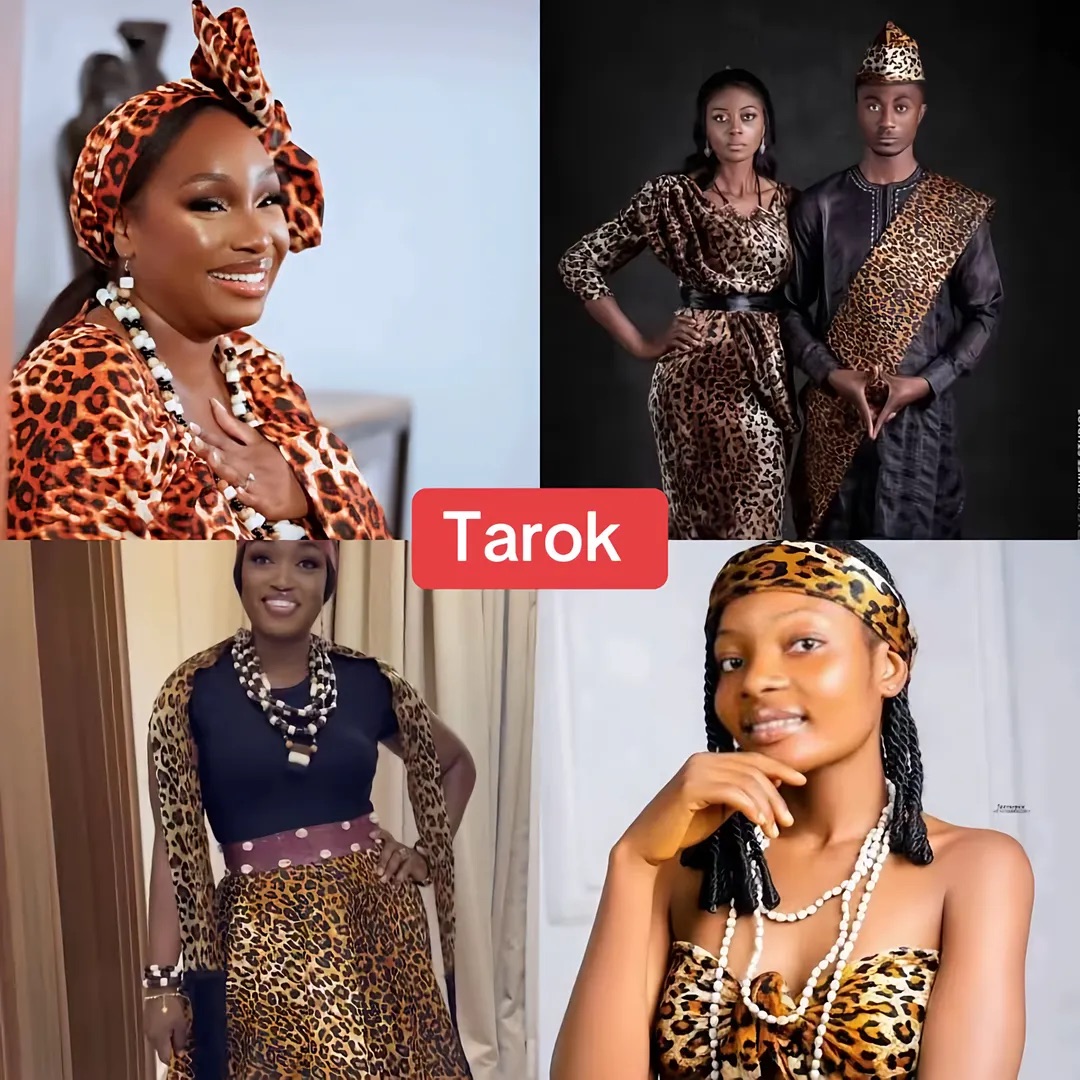
Tarok
Found around Langtang and Wase, the Tarok are known for farming and a rich oral tradition.
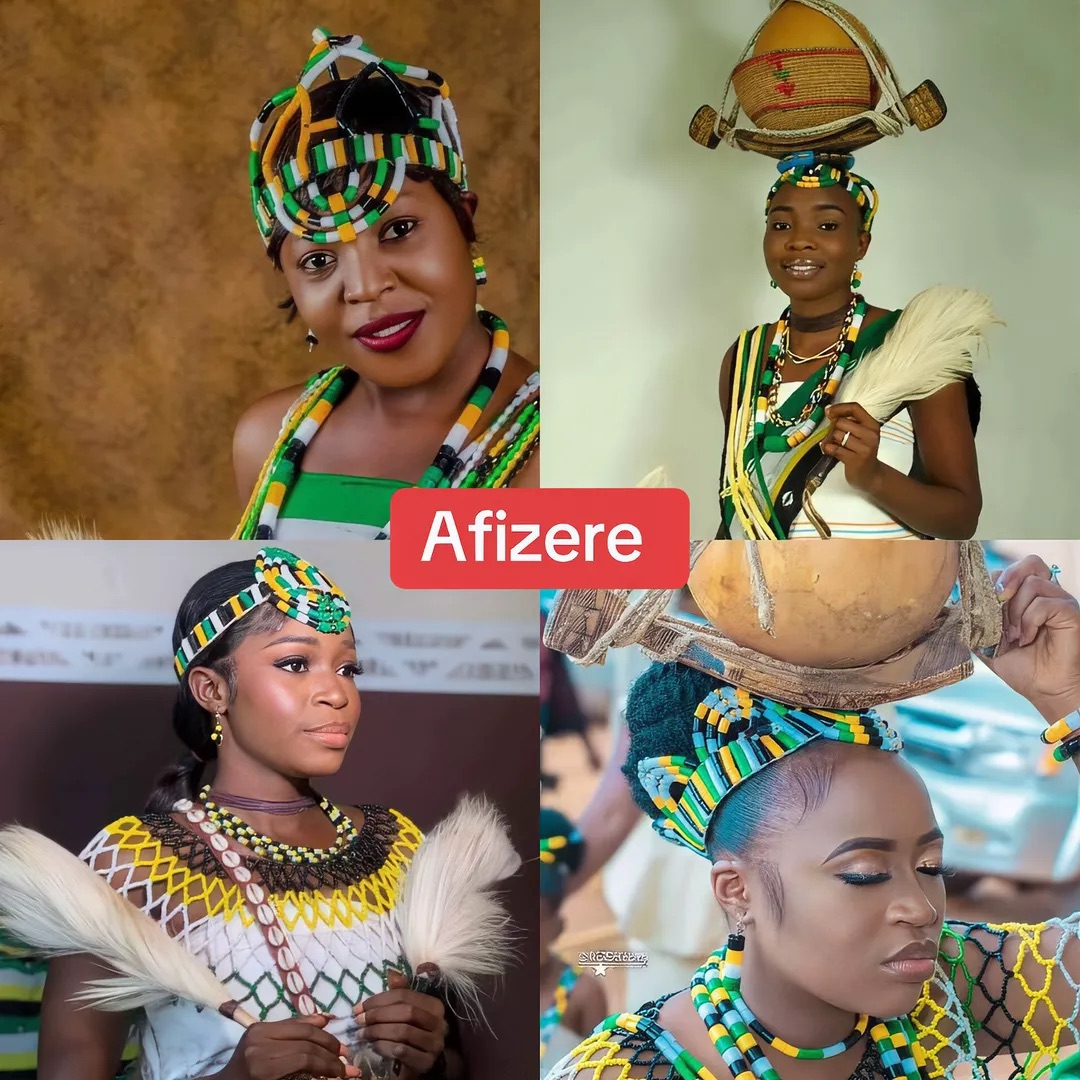
Afizere
Among the original inhabitants of the Jos area, they keep a distinct language and cultural identity.
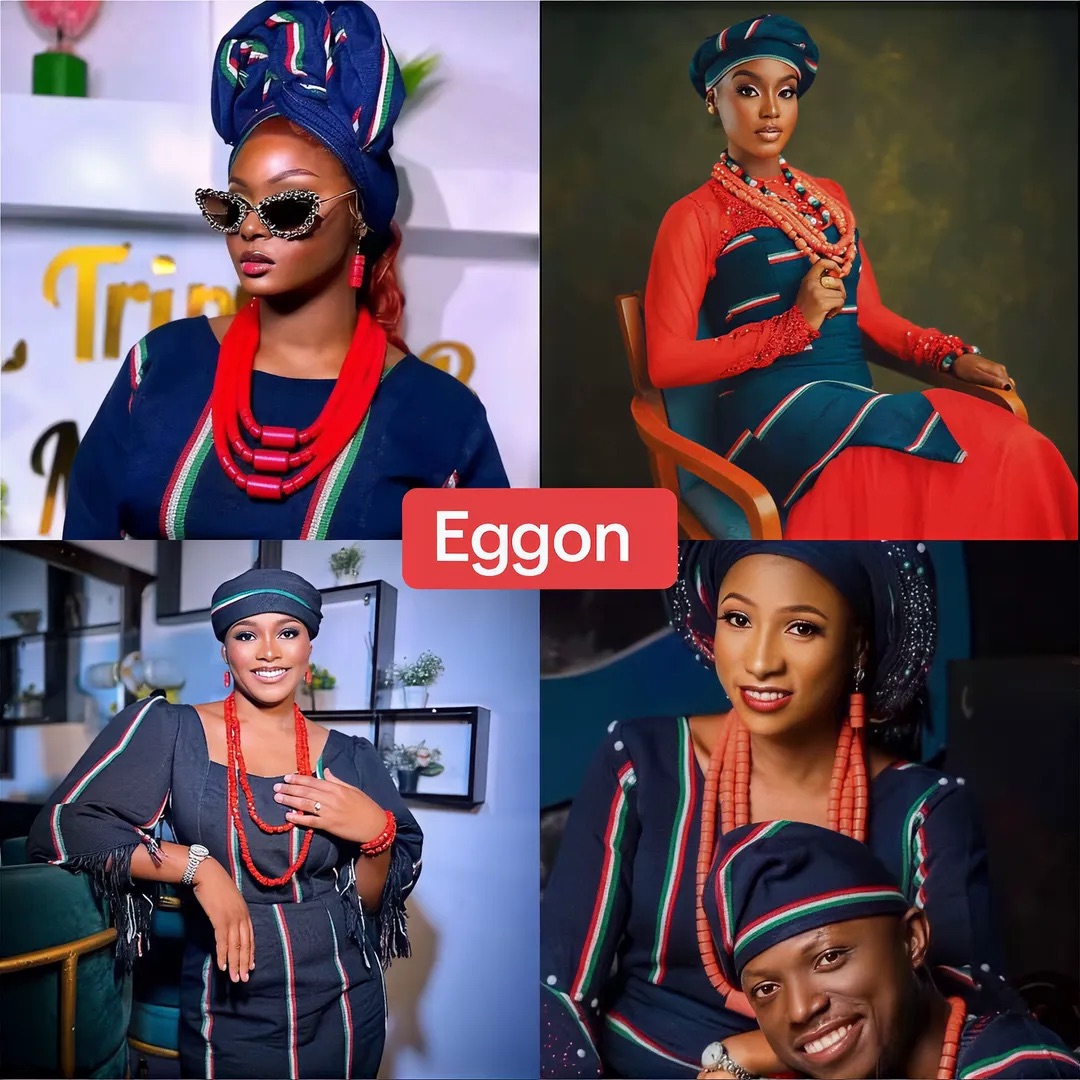
Eggon
A farming people of Nasarawa State, known for their language and hardworking, community-driven way of life.
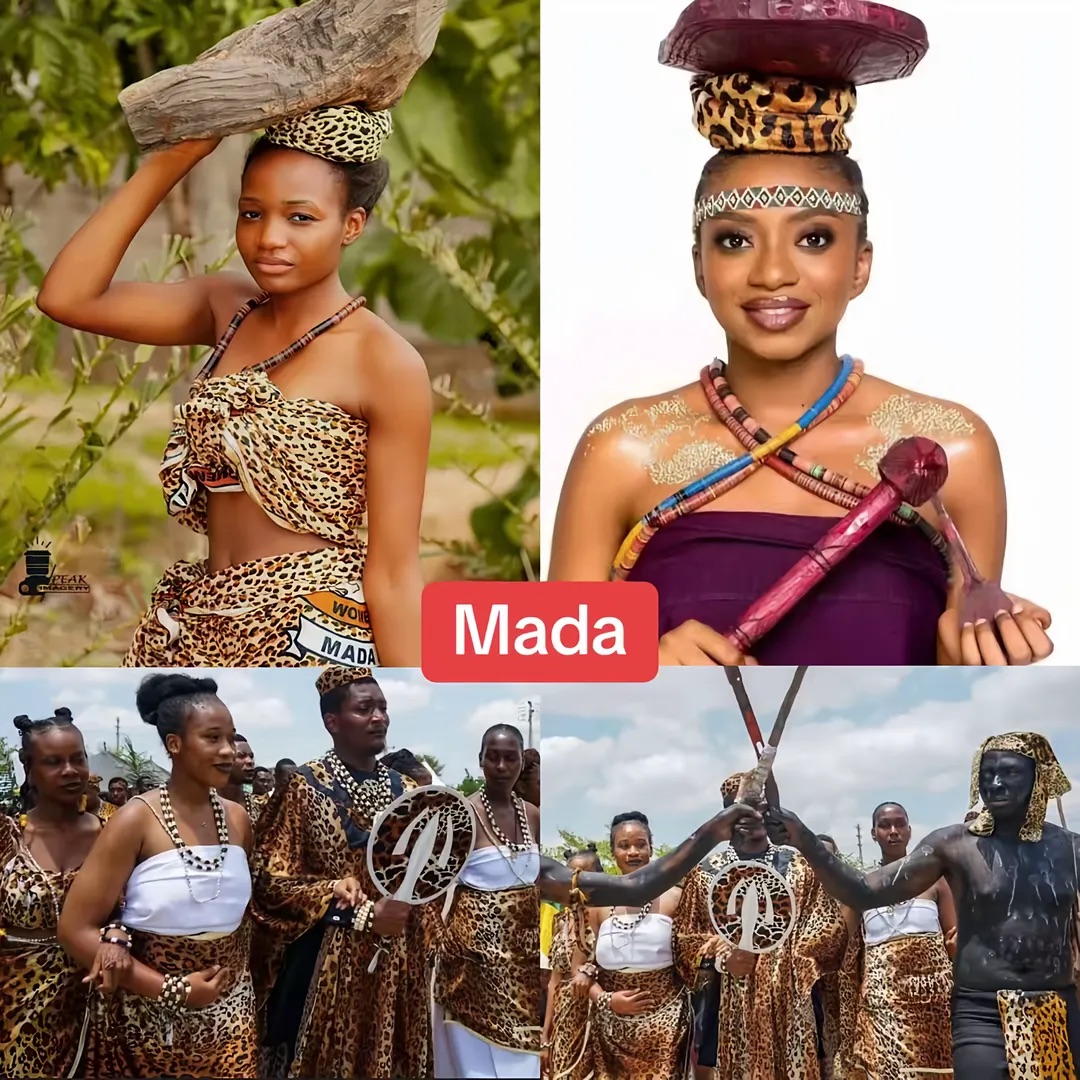
Mada
Living in the hills of Nasarawa, the Mada are known for agriculture and folk traditions.
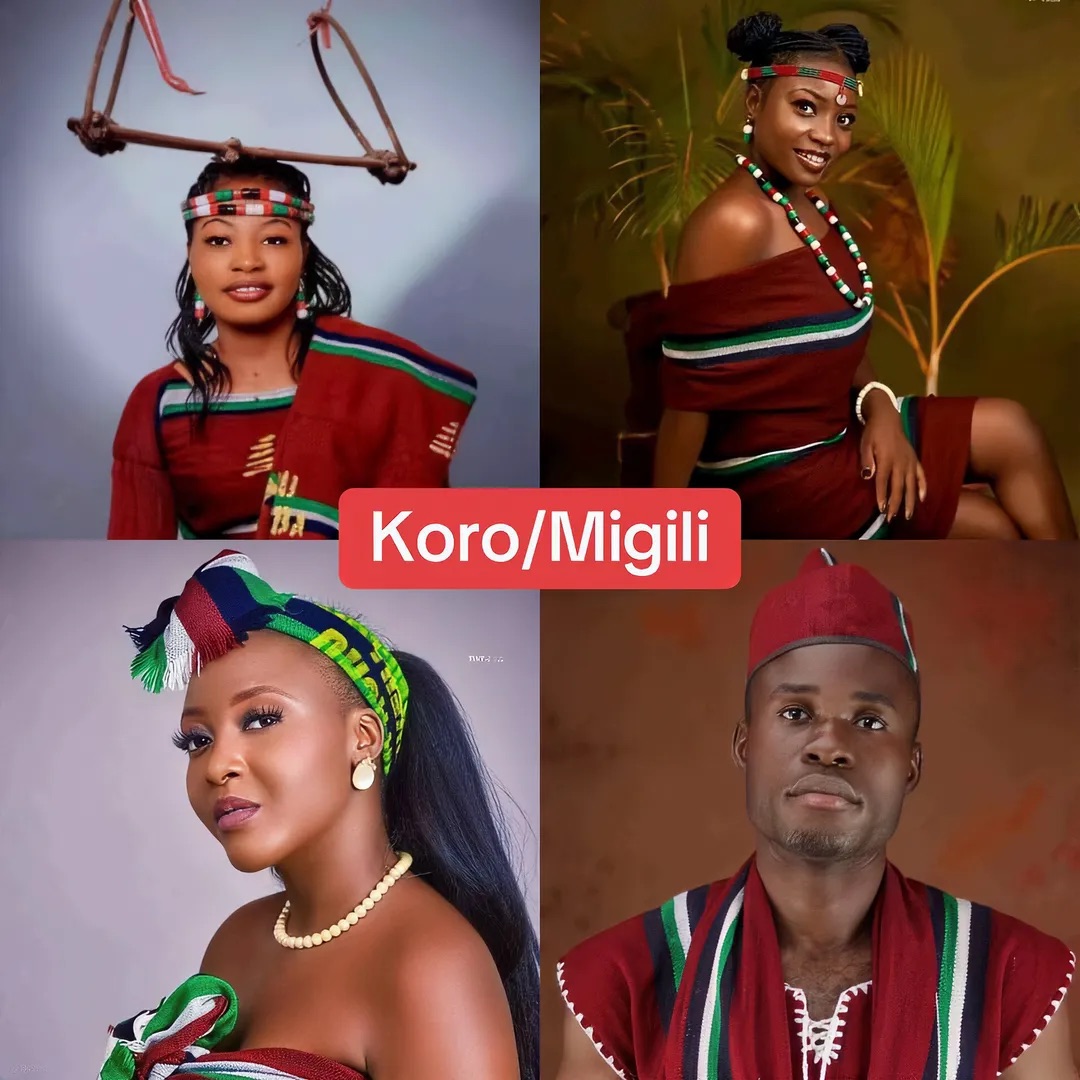
Koro / Migili
Central Nigerian communities with their own languages, rooted in farming and family clans.
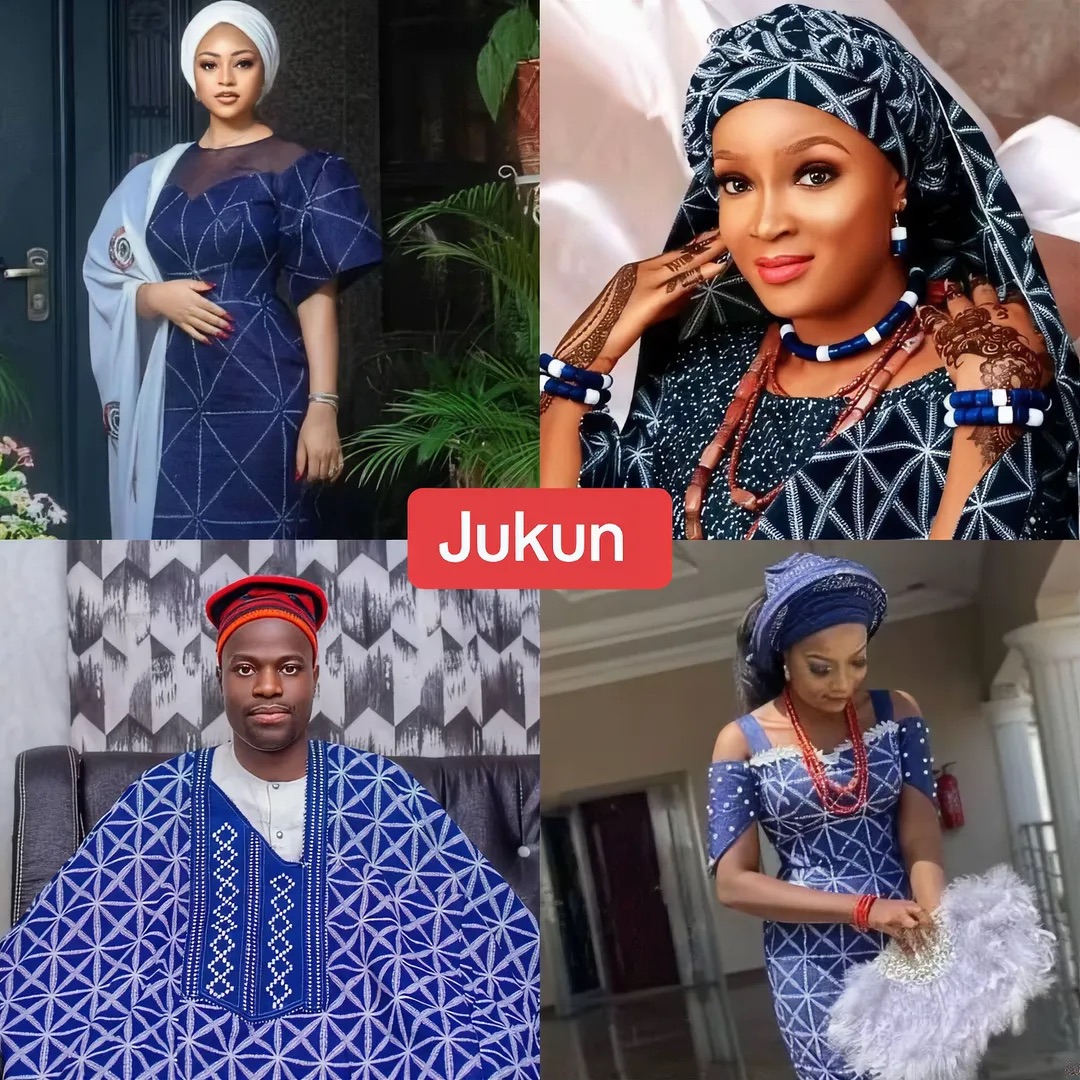
Jukun
Heirs of the ancient Kwararafa confederacy, whose kingdom once rivaled powers of the region. Their seat is Wukari, ruled by the Aku Uka.
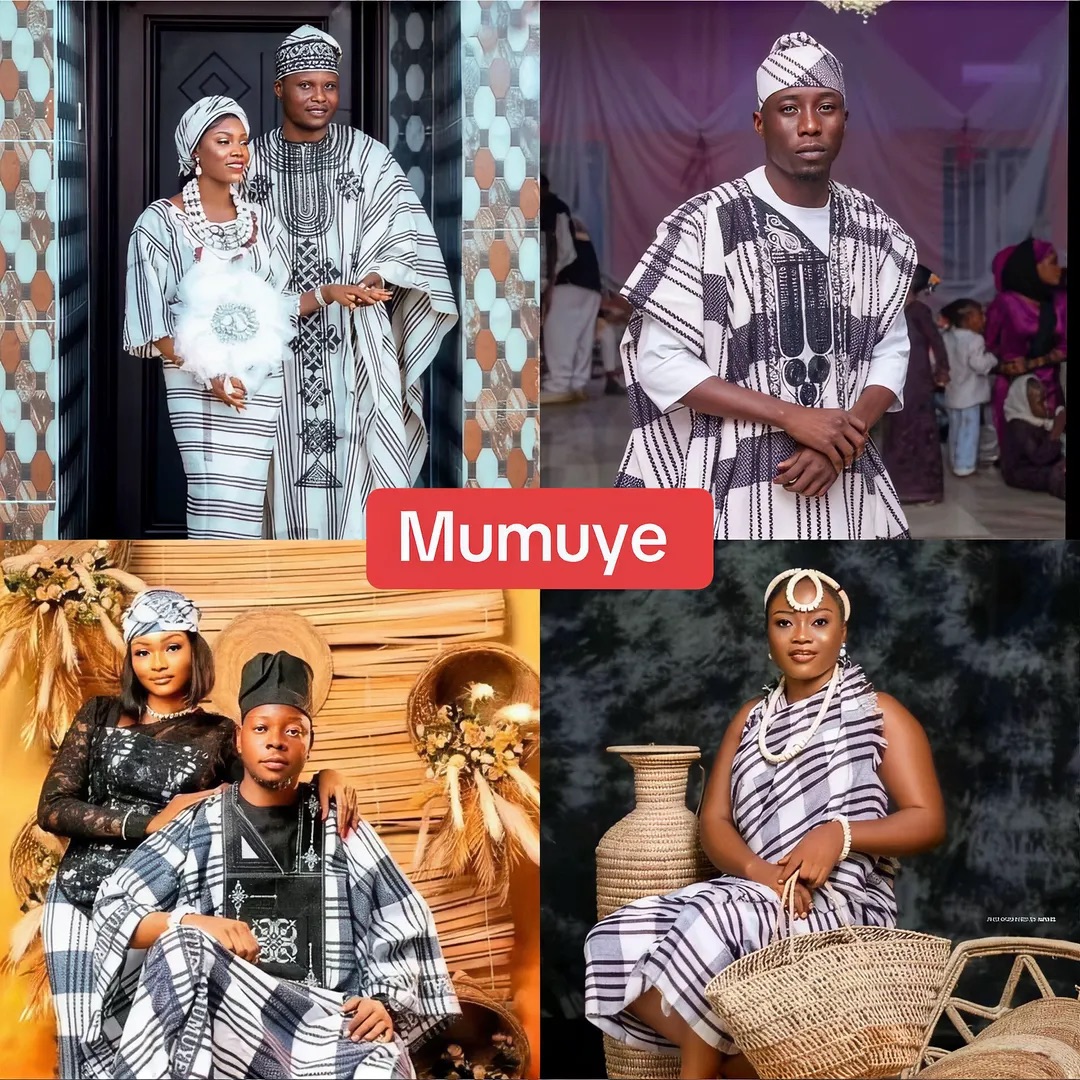
Mumuye
From Taraba, world-famous for striking abstract wooden sculptures that now sit in museums across the globe.
North East
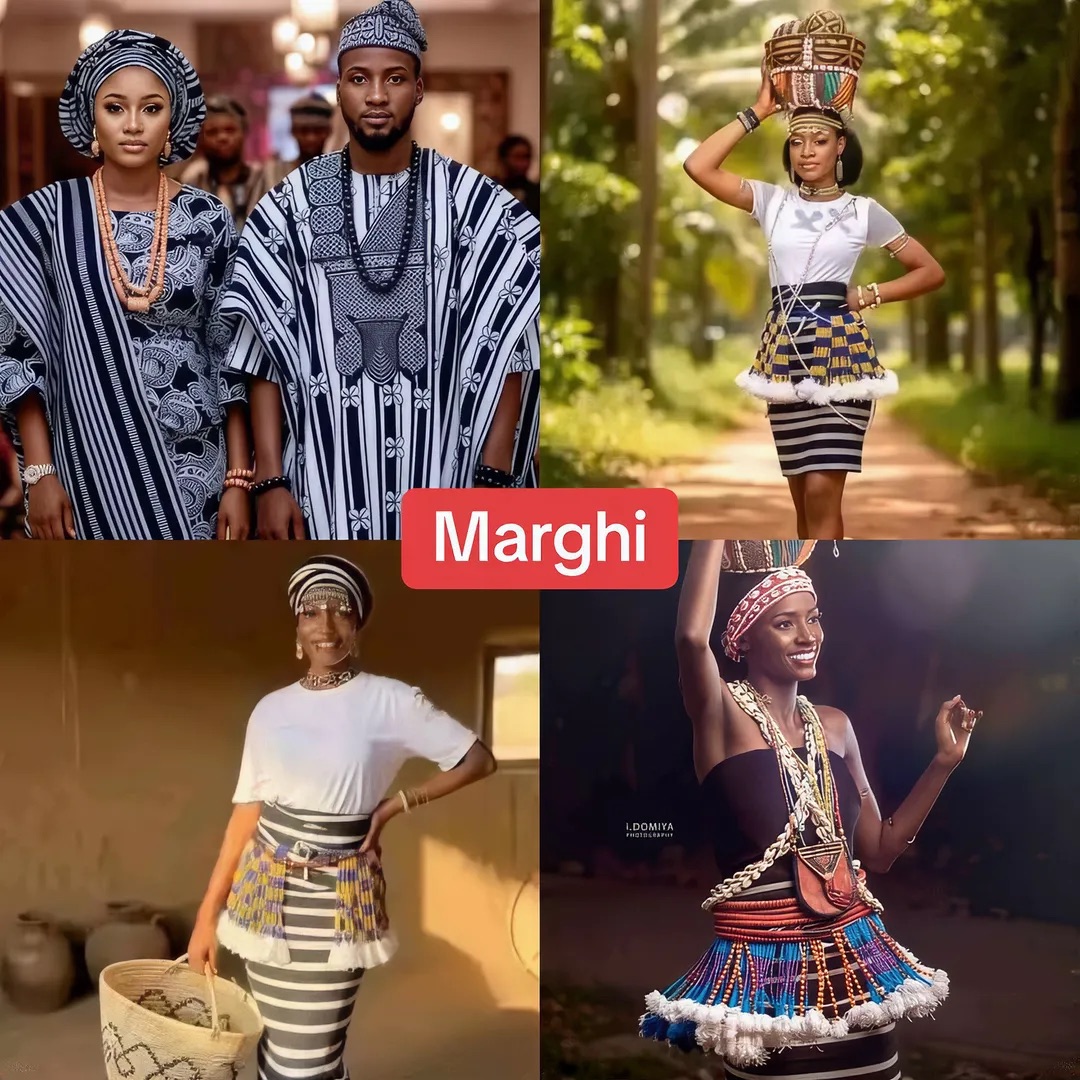
Marghi
Living across southern Borno and northern Adamawa, they are known for hillside farming and traditional dance.
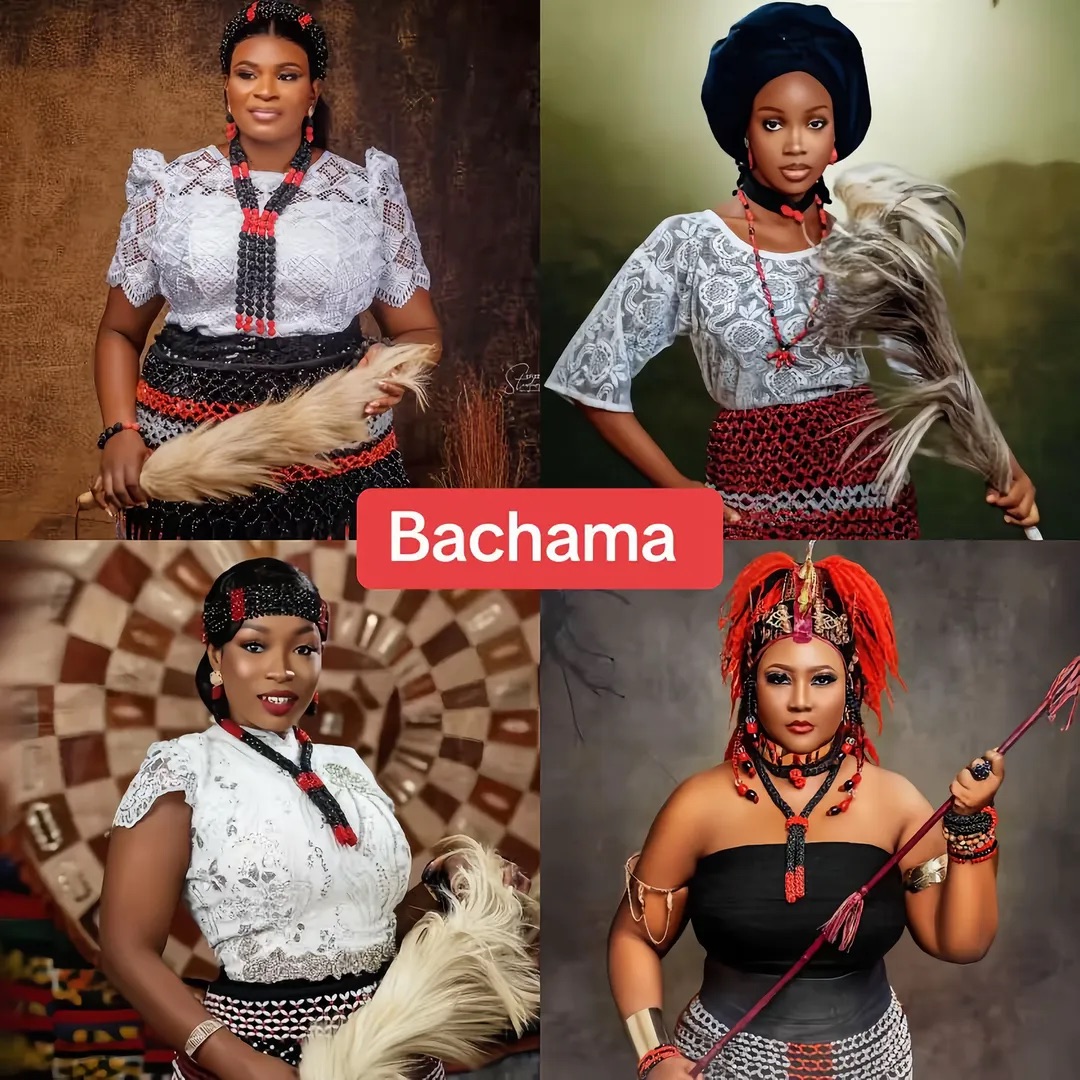
Bachama
A riverside people of Adamawa with a long-standing traditional kingdom led by the Hama Bachama, known for farming and fishing.
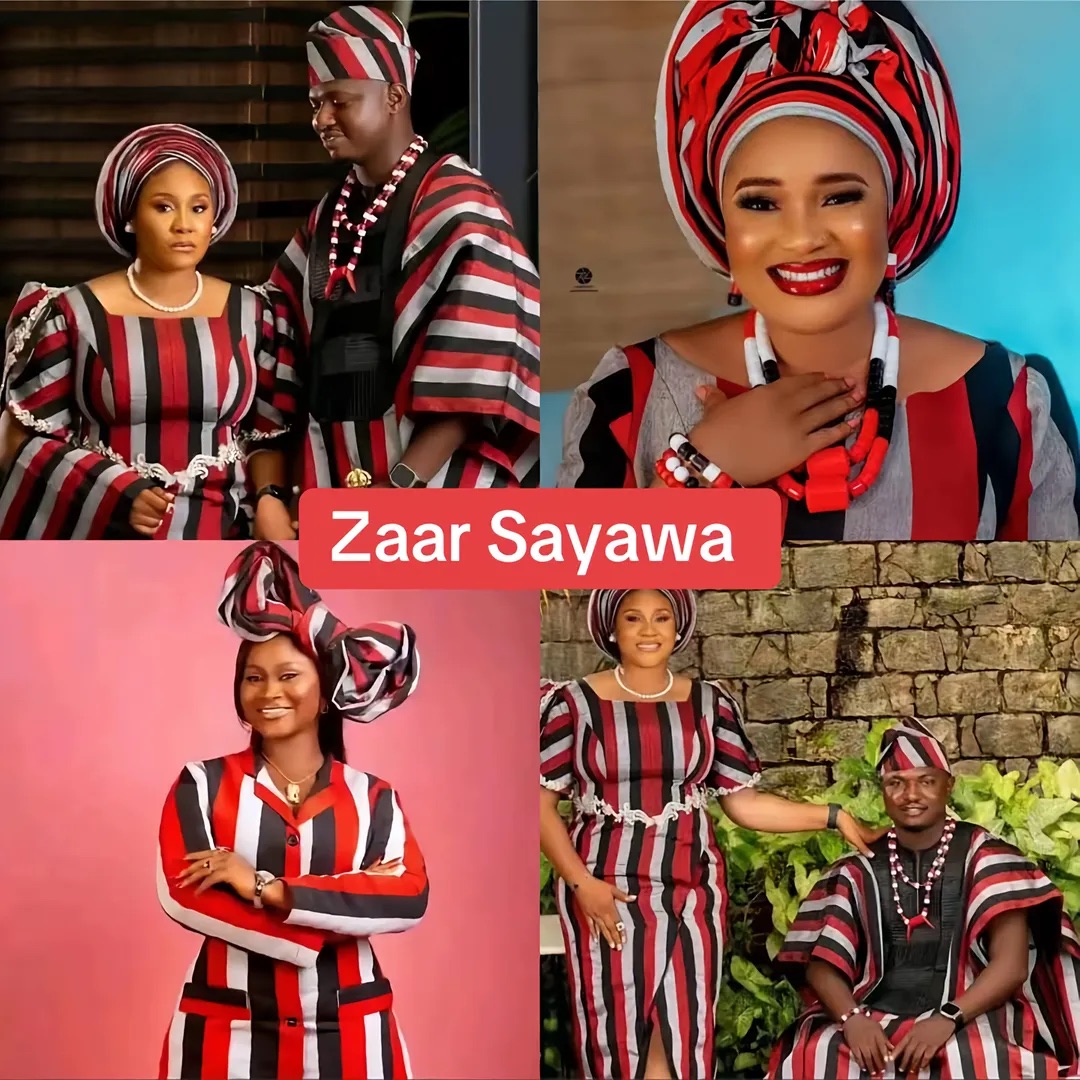
Zaar (Sayawa)
From Bauchi State around Tafawa Balewa, they are proud farmers with a strong sense of community and language.
North Central
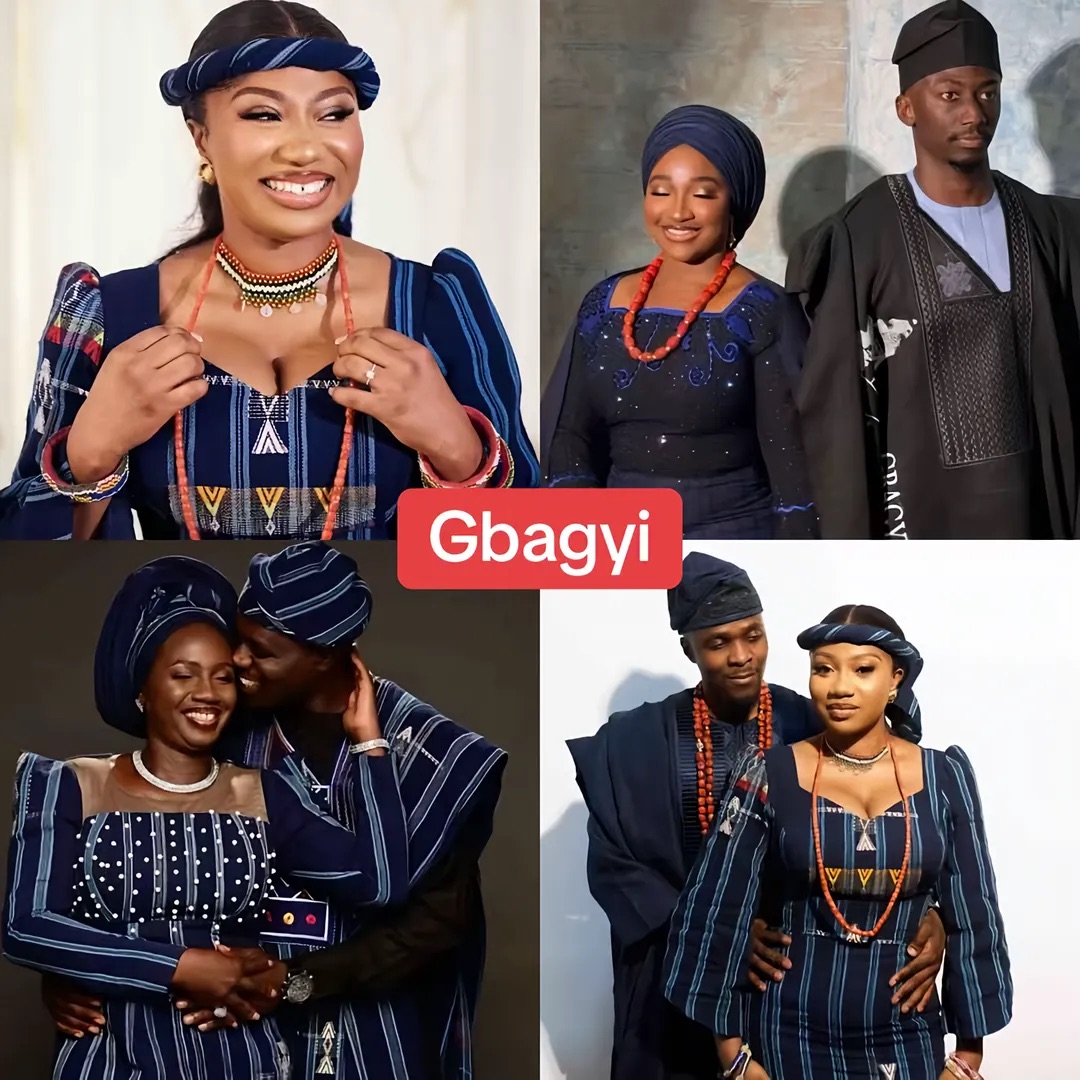
Gbagyi (Gbari)
Original inhabitants of the Abuja area, famous for pottery and weaving. Ladi Kwali, the celebrated potter, was Gbagyi.
Cross River
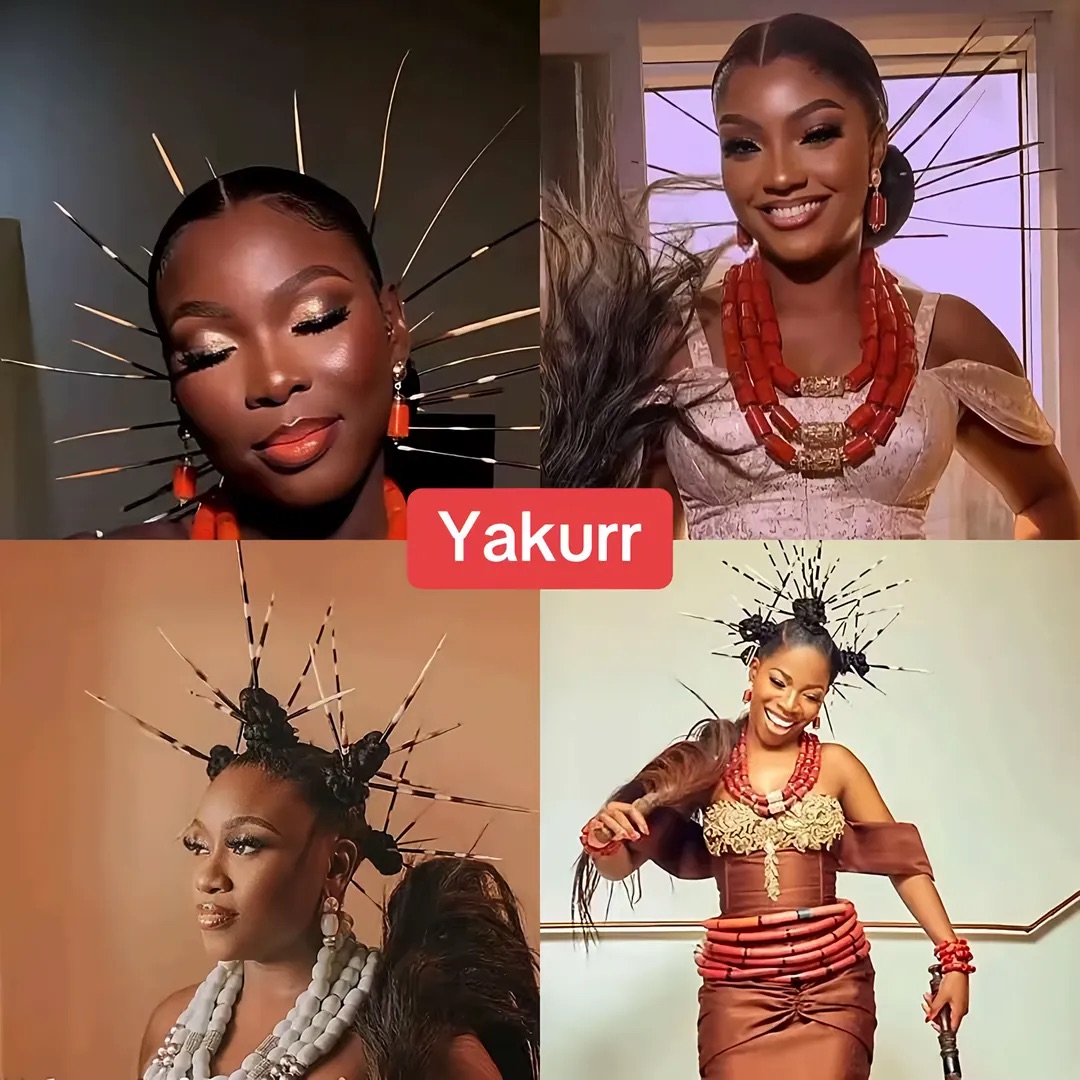
Yakurr
Famous for the Leboku new yam festival, a grand thanksgiving of dance, food, and ancestral honor.
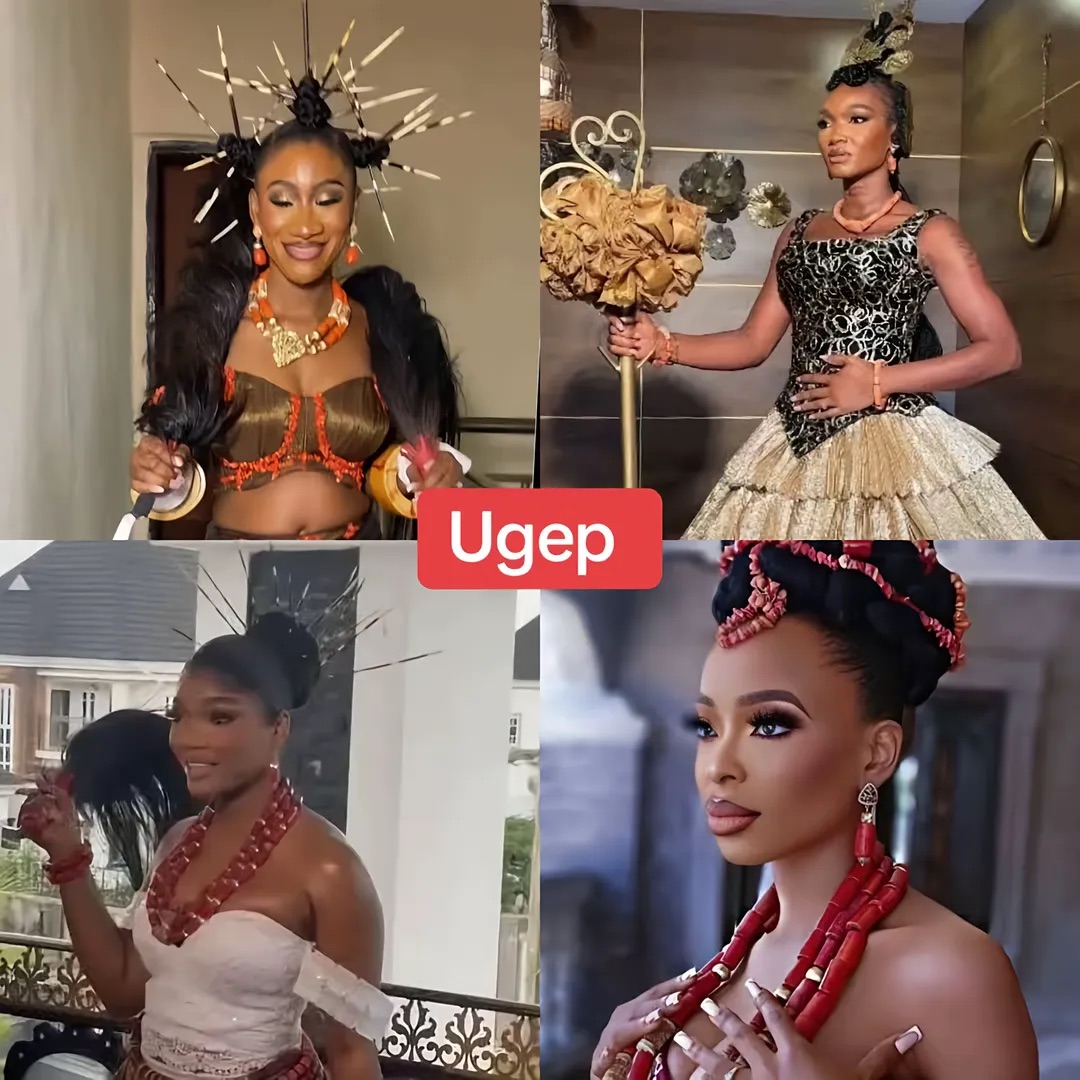
Ugep
The Yakurr capital, often described as one of the largest villages in West Africa, with a strong, organized community life.
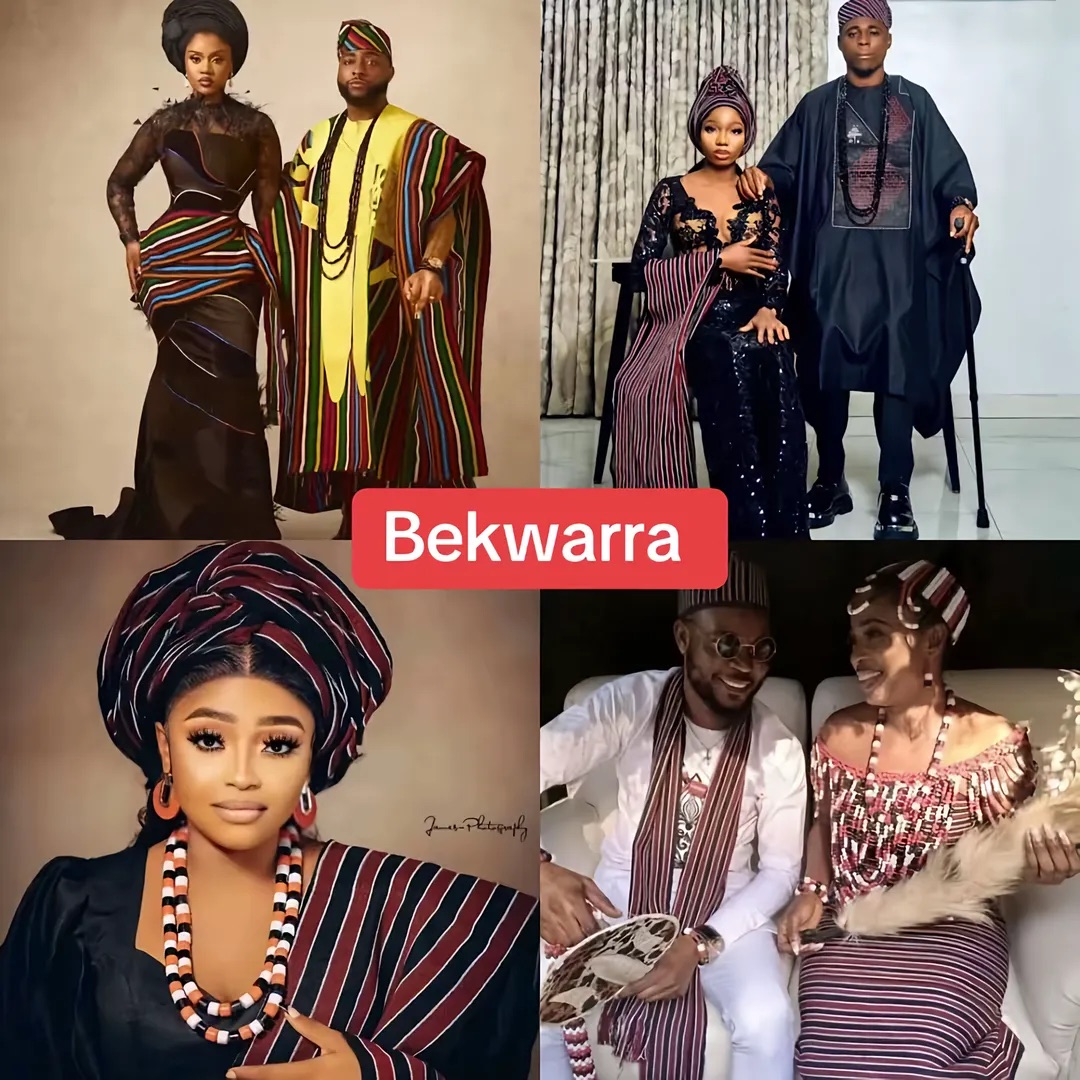
Bekwarra
A northern Cross River people known for yam farming, music, and dance.
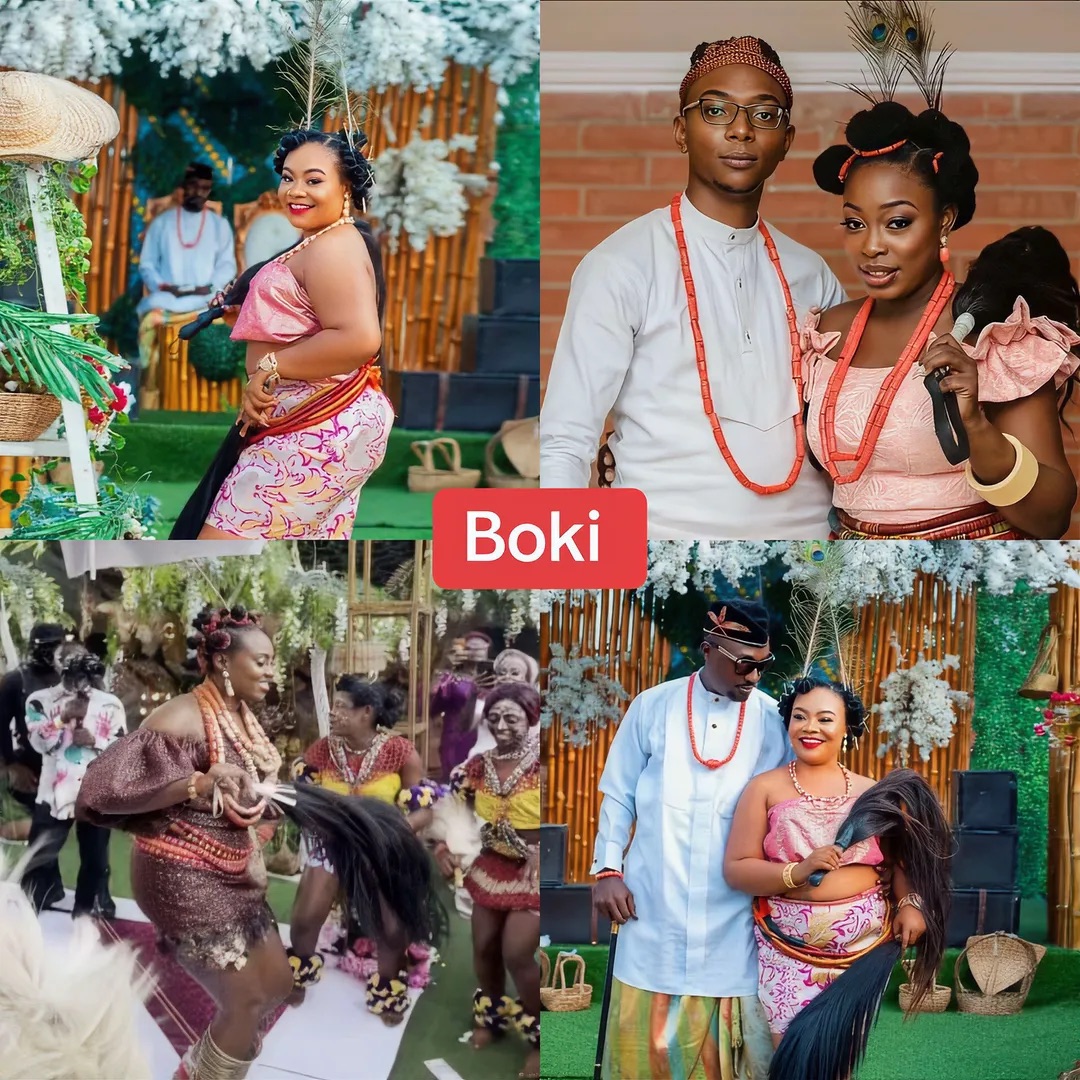
Boki
Based in the Ogoja area, they are known for vibrant masked dances and deep-rooted traditions.
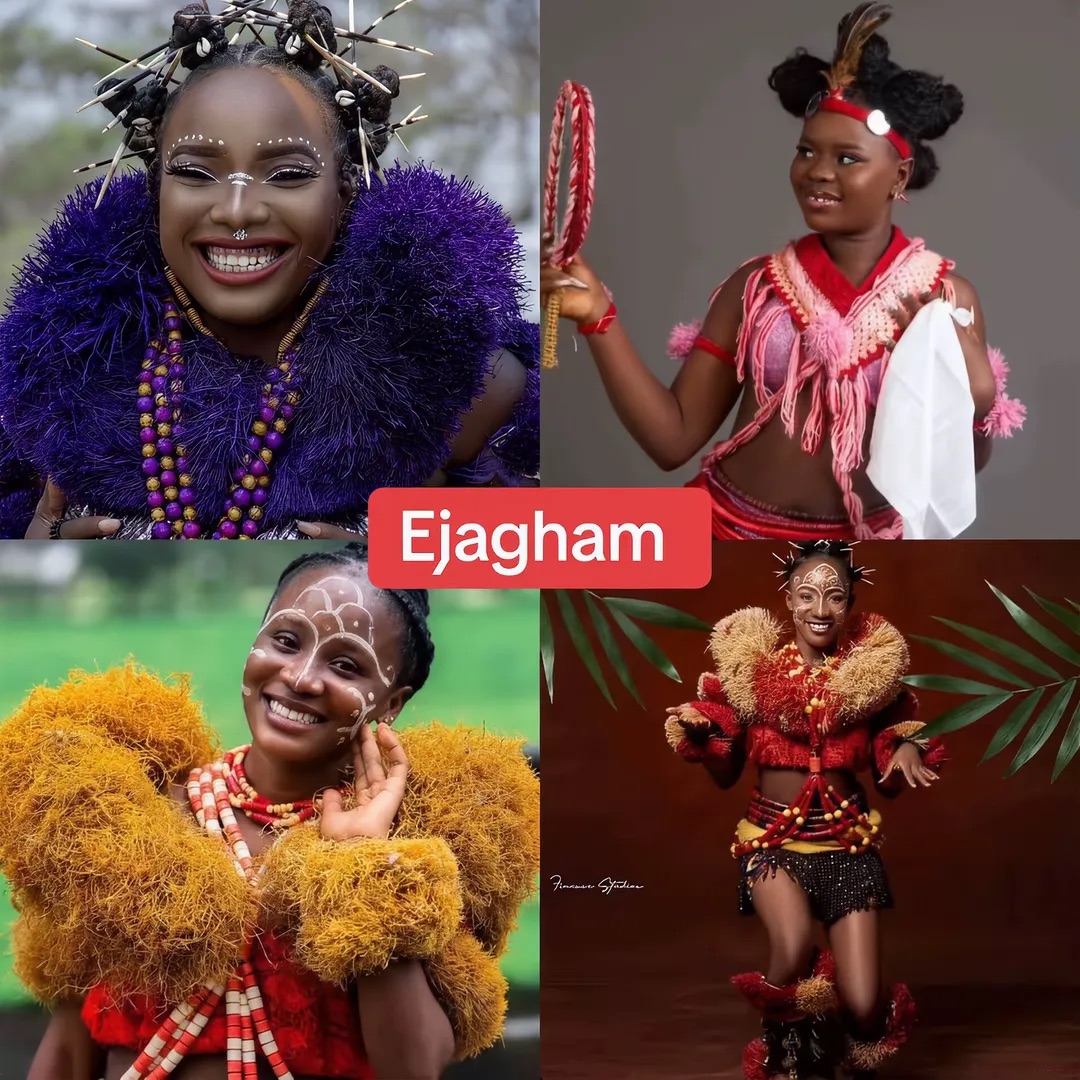
Ejagham (Ekoi)
Linked to the origins of Nsibidi, the ancient symbol-writing system, and to the powerful Ekpe society.
Niger Delta and South
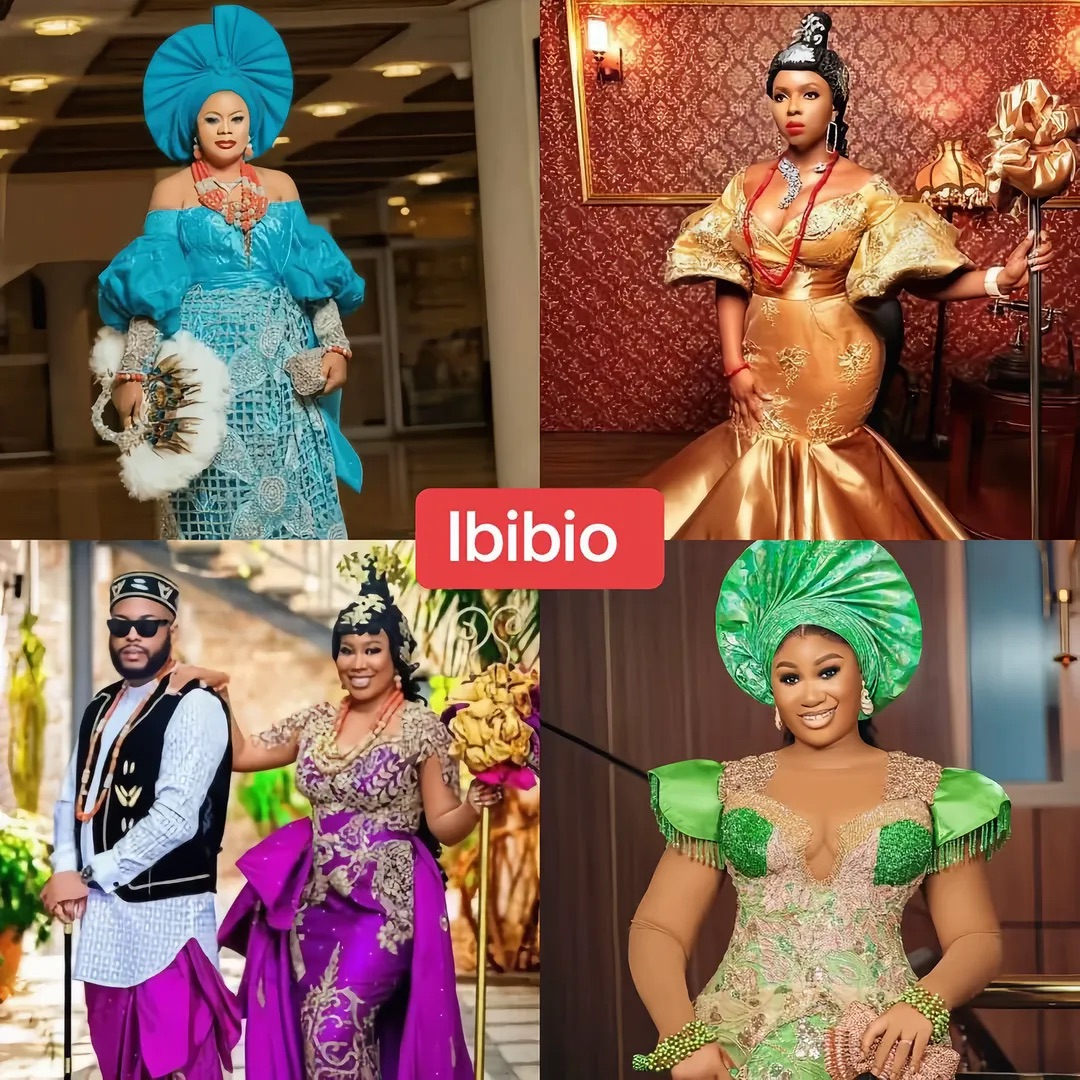
Ibibio
One of the largest groups in Akwa Ibom, known for the Ekpo masquerades and rich soups like afang and edikang ikong.
Kalabari / Ijaw
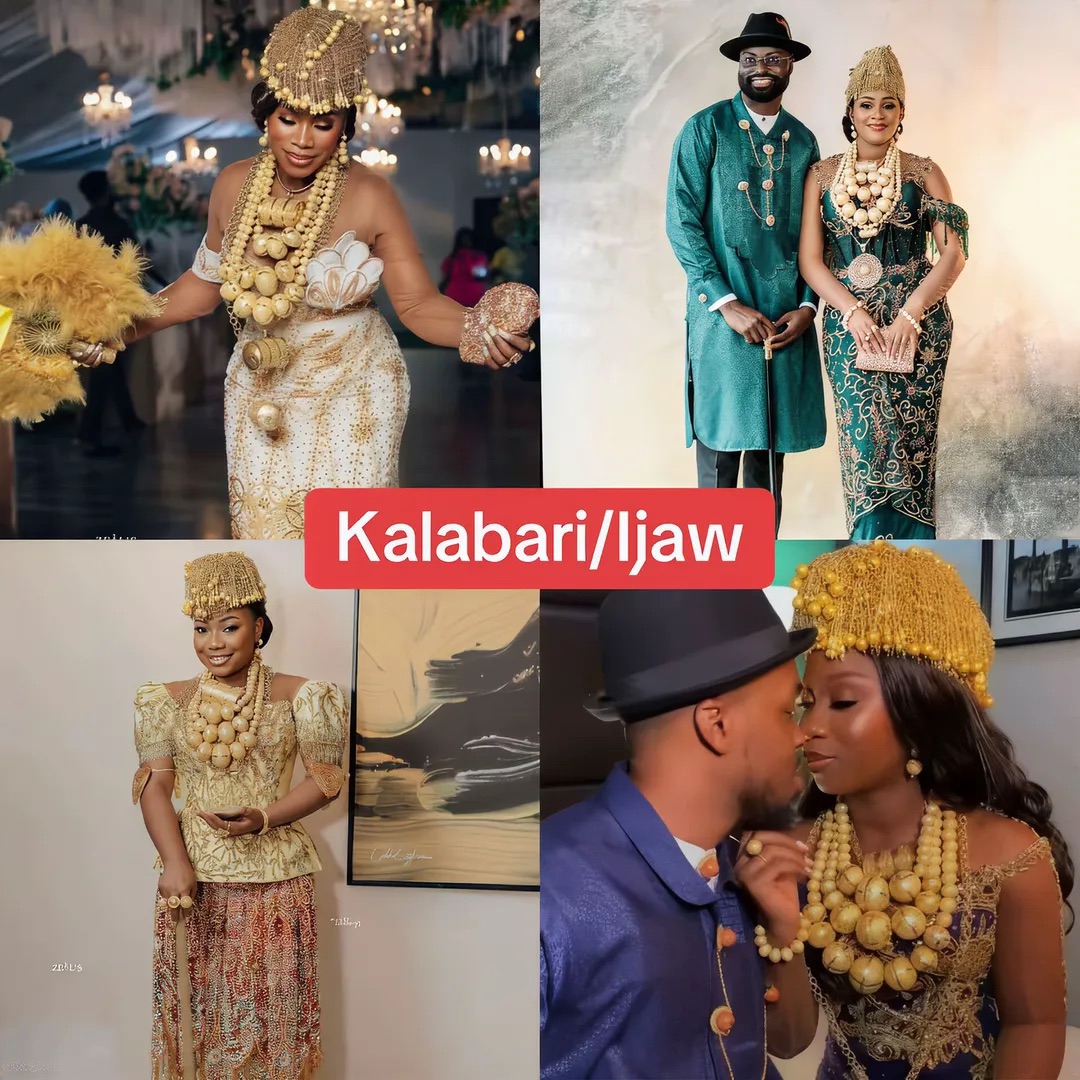
Water people of the Niger Delta, famous for the Ekine society, elaborate masquerades, and the luxurious Pelete Bite cloth.
Ikwerre
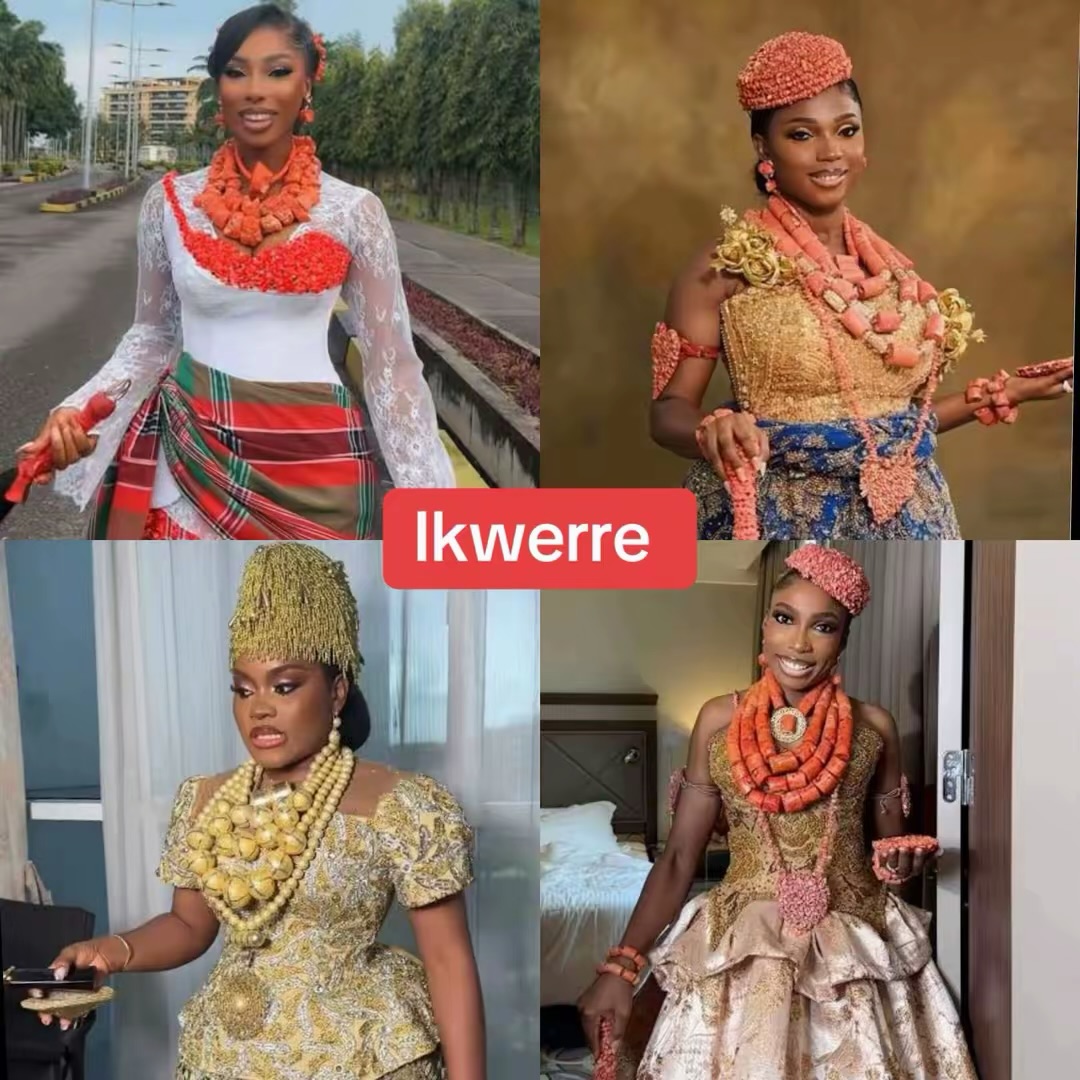
A Rivers State people with a proud yam festival tradition, a rich masquerade culture, and deep roots around Port Harcourt.
Epie
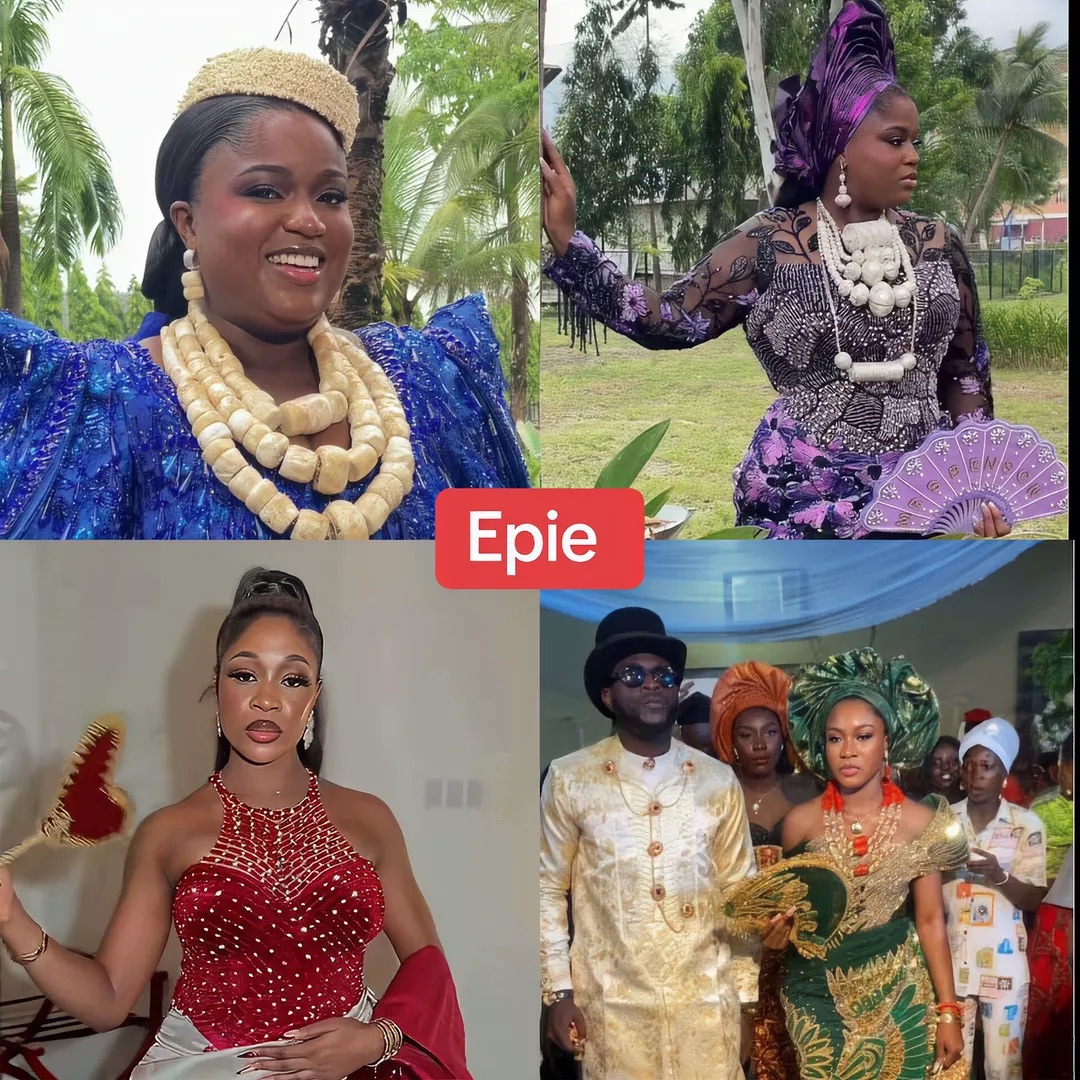
A Bayelsa people around Yenagoa, keeping their language and river-based traditions alive.
Itsekiri
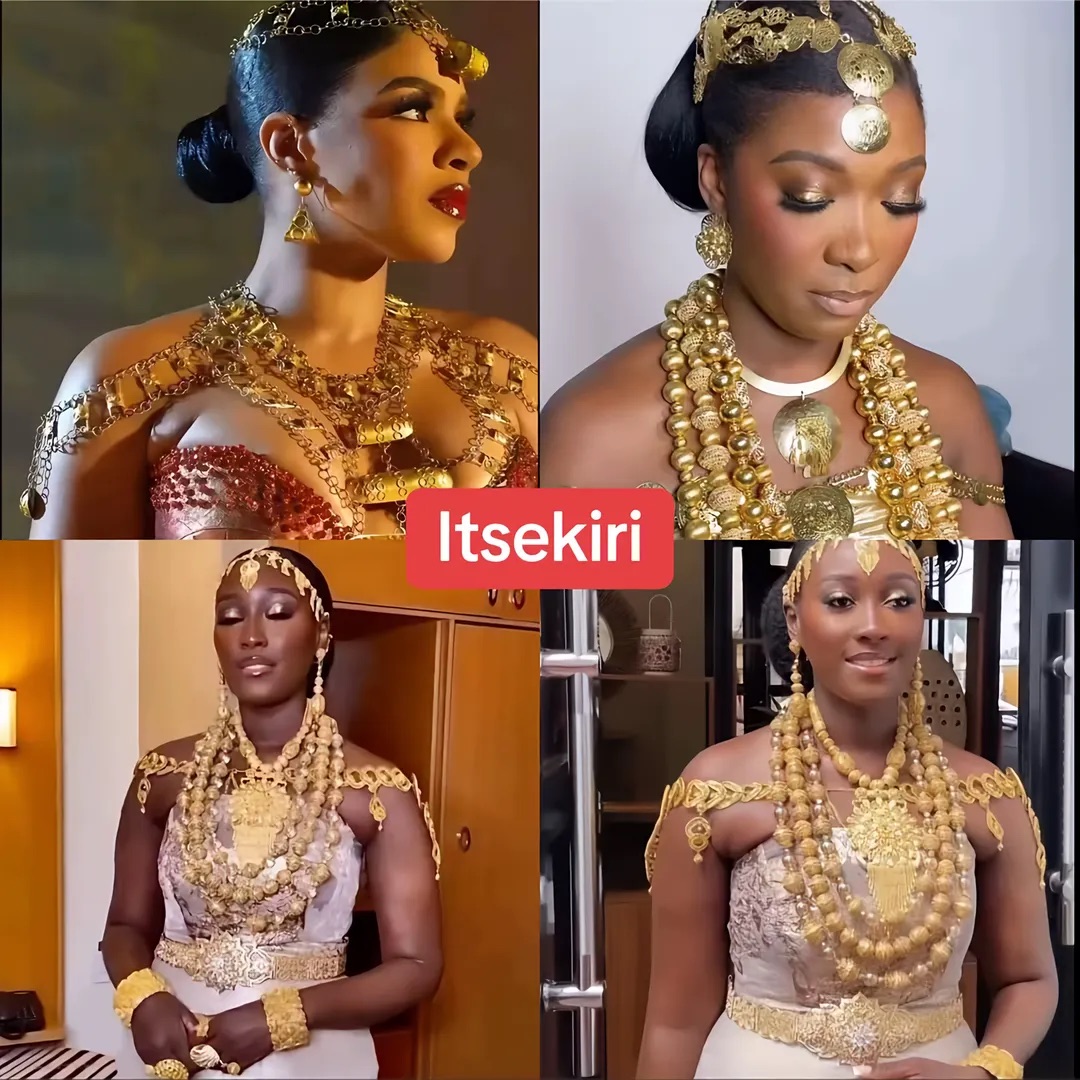
From the Warri area of Delta State, known for coral beads, regal attire, and the Olu of Warri’s ancient kingdom.
Which of these did you already know? Tell us in the comments, and share the tribes we missed.
Join the conversation
Leave a Reply