
Northern Nigeria is home to diverse cultures, beautiful traditions, and different styles of dressing and self-expression. From elegant hijabs and colourful Ankara outfits to traditional beauty practices and beautiful jewellery, there is plenty to appreciate.
Of course, Northern Nigeria is culturally diverse, and not every woman shares the same fashion preferences or traditions. These are some styles and cultural practices you may notice among some Northern Nigerian women.
Let’s get into it! 💚
1. The Beautiful Hijab
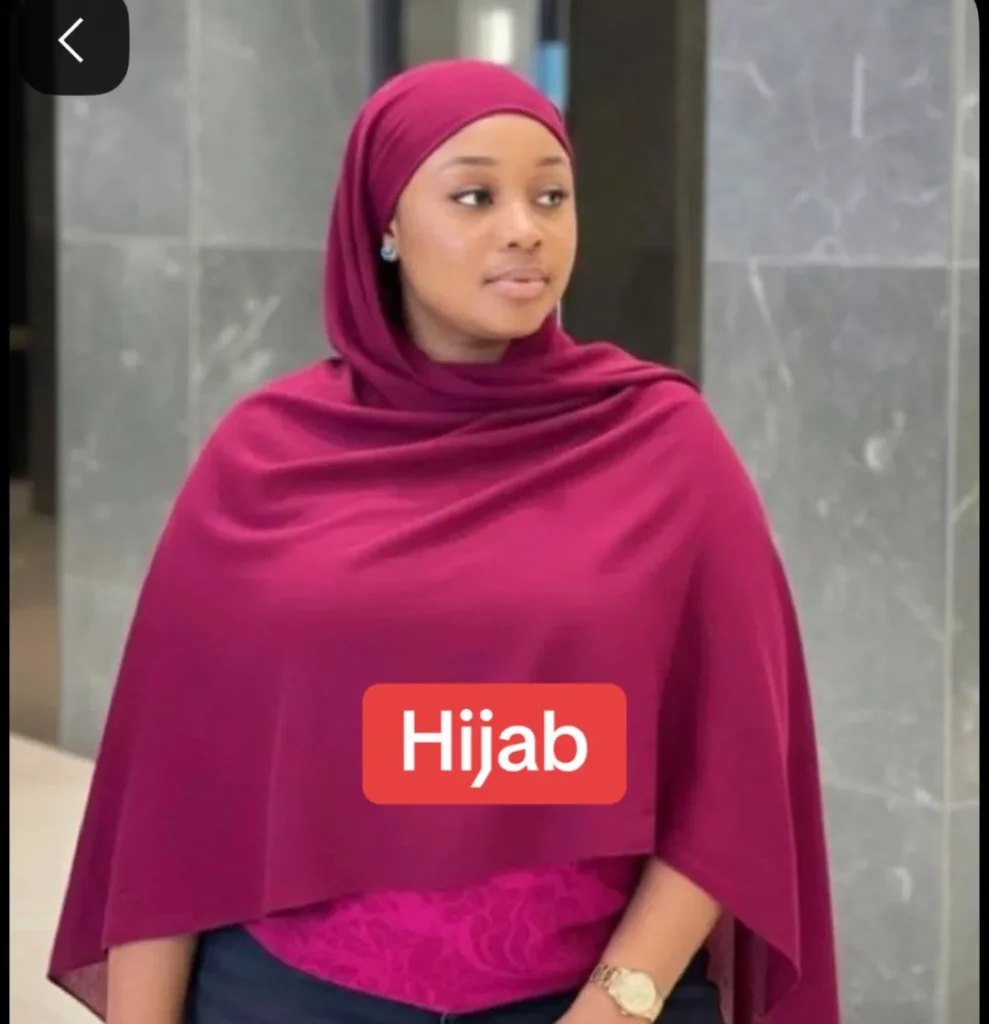
The hijab is one of the most recognisable aspects of modest dressing among many Muslim women in Northern Nigeria. For some, it is an expression of religious faith, while others also enjoy experimenting with different fabrics, colours, and styles.
Some women prefer smaller hijabs that frame the face, while others choose larger coverings that drape over the shoulders and chest. The styling can vary depending on personal preference, cultural background, and religious interpretation.
One thing is certain: a beautifully styled hijab can make a simple outfit look elegant!
2. The Love for Ankara
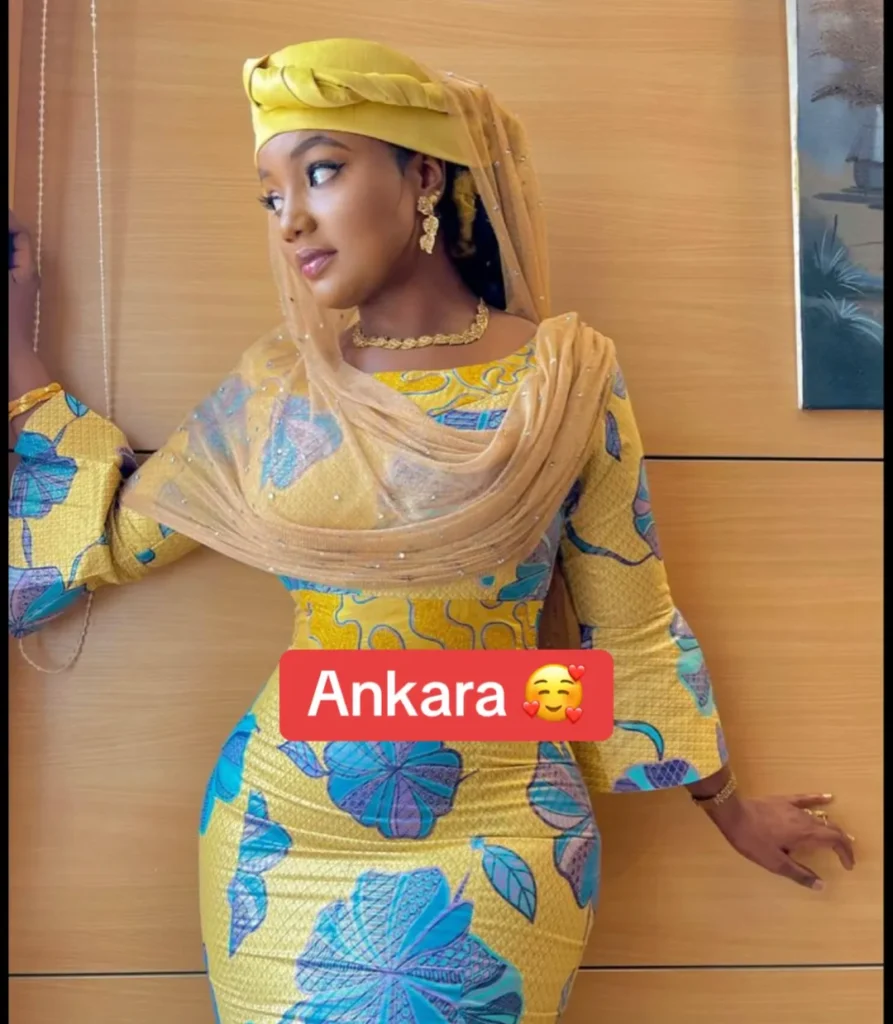
You can hardly discuss Nigerian fashion without mentioning Ankara, and many Northern Nigerian women have their own beautiful ways of styling it.
From flowing gowns to matching outfits and beautifully tailored dresses, Ankara offers plenty of room for creativity. Some women prefer having their clothes sewn by tailors rather than buying ready-made outfits, allowing them to choose their preferred fabric, design, and fit.
Paired with a matching hijab, an Ankara dress can create a stunning, coordinated look.
Who else loves a beautifully sewn Ankara dress?
3. Lalle (Henna): Beauty on the Hands
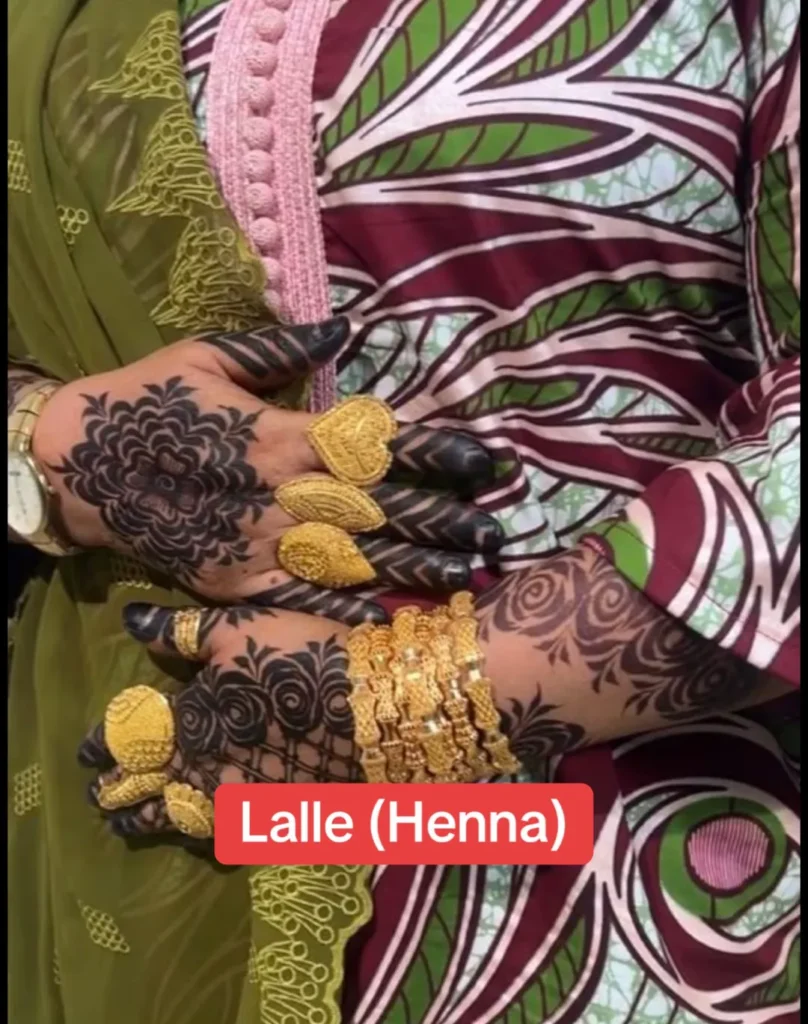
Known as lalle in Hausa, henna is a traditional form of body decoration used by many women in Northern Nigeria.
The reddish-brown designs are often applied to the hands and feet, especially during weddings, Sallah celebrations, and other special occasions. Some women prefer simple patterns, while others go for elaborate designs that cover much of their hands.
Beyond its beauty, lalle holds cultural and celebratory significance in many communities.
And let’s be honest: when the design comes out beautifully, those hands deserve to be shown off!
4. Soft Makeup and Beautiful Lip Combinations
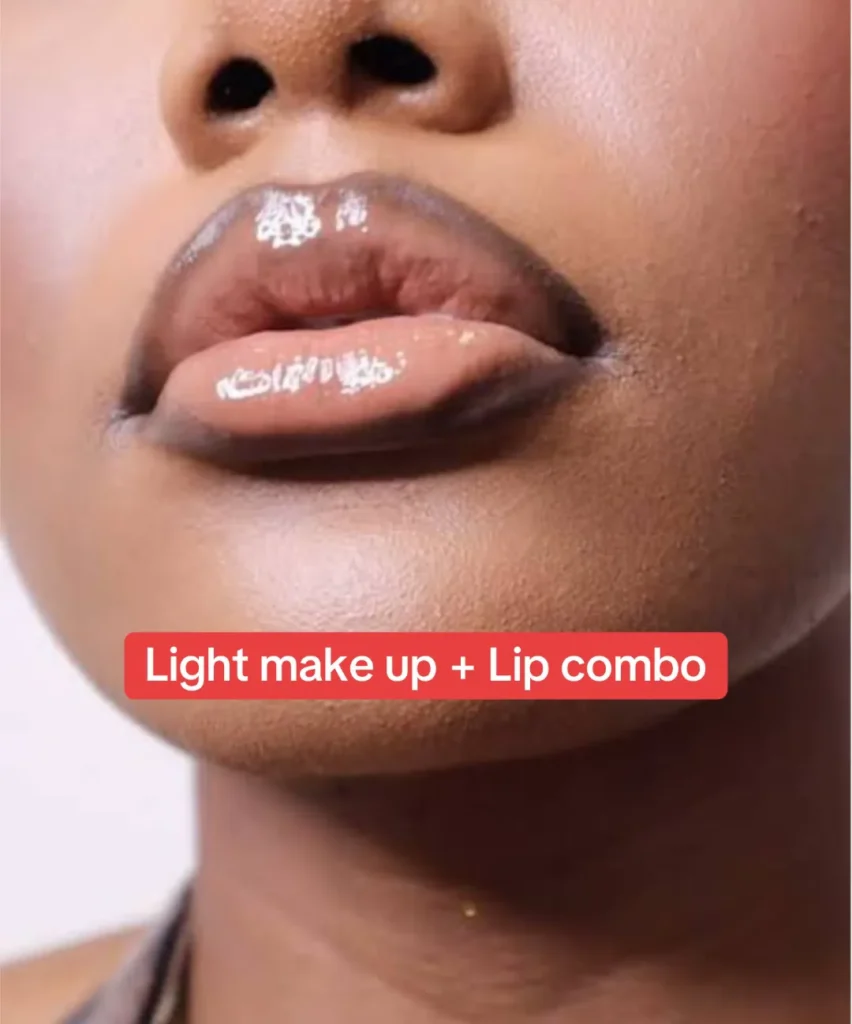
Not every makeup look needs to be dramatic to stand out. Some Northern Nigerian women love soft, natural-looking makeup that enhances their features without appearing too heavy.
Nude lip colours, carefully defined brows, subtle eyeliner, and well-blended foundation are popular choices among women who enjoy this aesthetic.
Some also use lip liners to define their lips before applying lipstick or gloss, creating beautiful combinations that complement their skin tones.
The result? A simple but polished look that works for everyday outings and special occasions alike.
5. Kohl: The Traditional Eye Beauty Secret
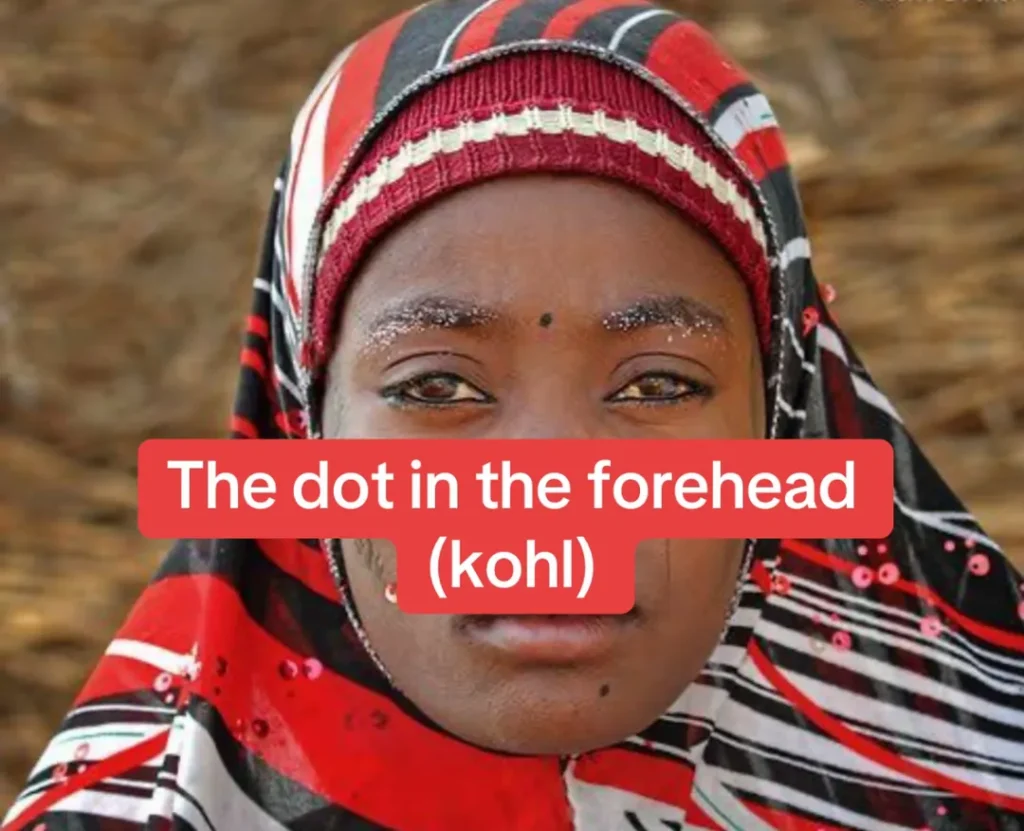
Kohl is a traditional eye cosmetic used in various cultures, including some Muslim communities. It is commonly applied around the eyes to create a darker, more defined appearance.
However, the small mark sometimes seen on the forehead should not automatically be identified as kohl. Depending on the community and the person, it may have a different cultural or cosmetic meaning.
Although some traditional beauty practices are less visible among younger generations today, others continue to be passed down through families.
Beauty trends change, but traditions often leave their mark on culture.
6. Traditional Tribal Marks
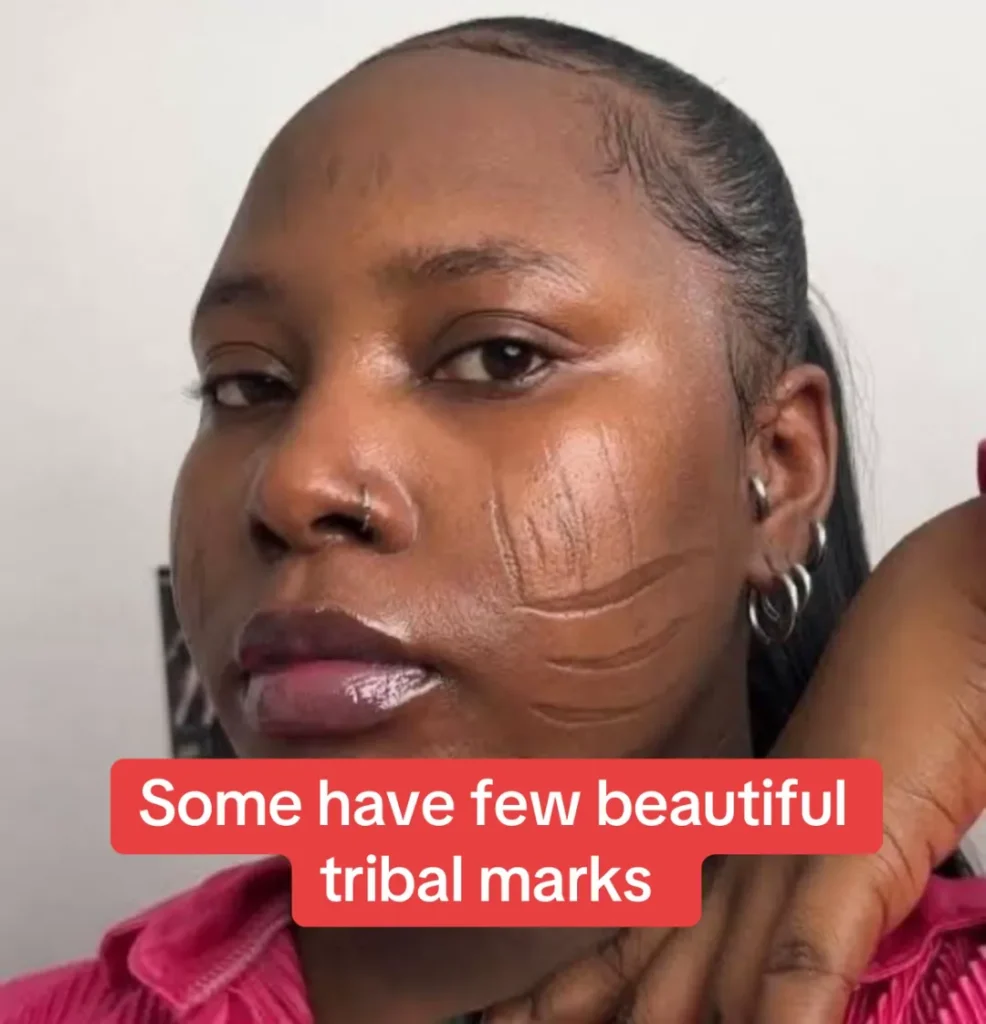
Tribal marks are part of the cultural history of some Nigerian communities, including certain groups in the North.
Historically, facial markings could serve different purposes, such as indicating family or community identity, ancestry, or belonging. The designs and meanings vary across ethnic groups and communities.
Today, the practice is much less common in many places, and attitudes towards it have changed considerably.
It is important to remember that not every Hausa or Fulani person has tribal marks. They represent particular cultural histories rather than a feature shared by everyone.
7. Soft, Smooth and Glowing Skin
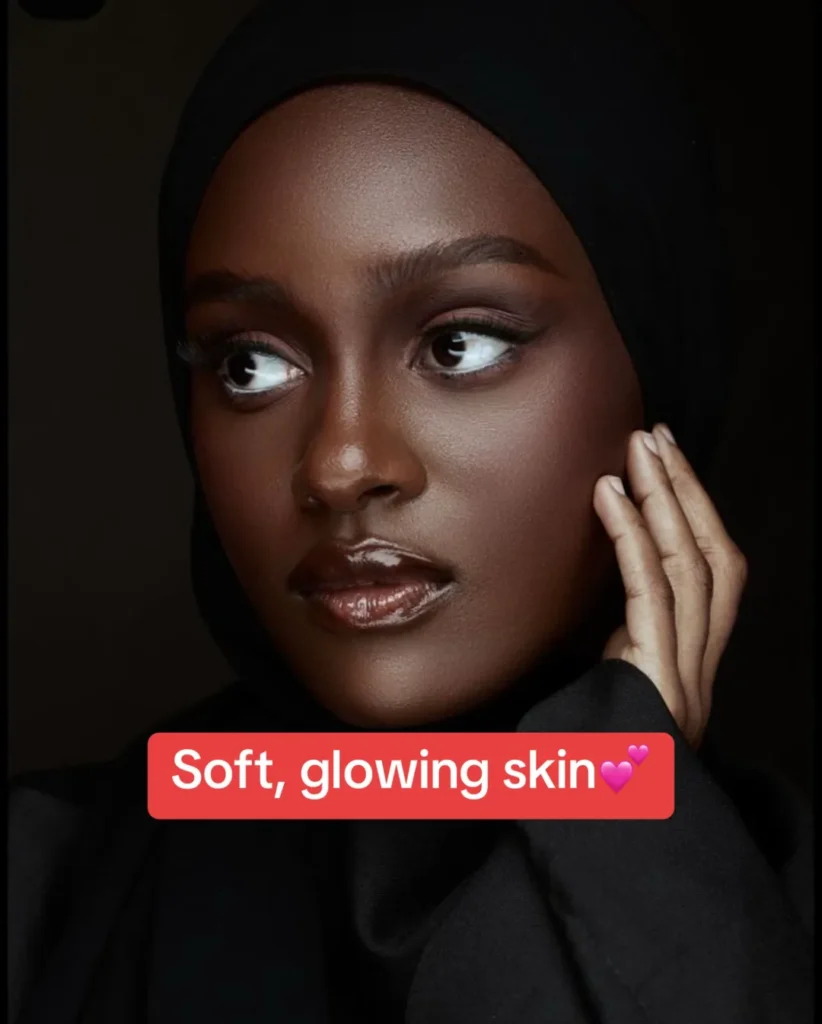
Healthy-looking skin is something many people appreciate, and skincare routines can be an important part of personal grooming.
You may come across Northern Nigerian women with beautifully moisturised, glowing skin, whether their complexion is deep, medium, or light.
A person’s skin appearance can be influenced by genetics, skincare habits, moisturising products, sun exposure, and other factors.
There is no single skin tone that defines Northern Nigerian beauty. Different complexions are beautiful in their own ways, and healthy skin matters more than complexion alone.
8. Pointed Noses and Defined Cheekbones
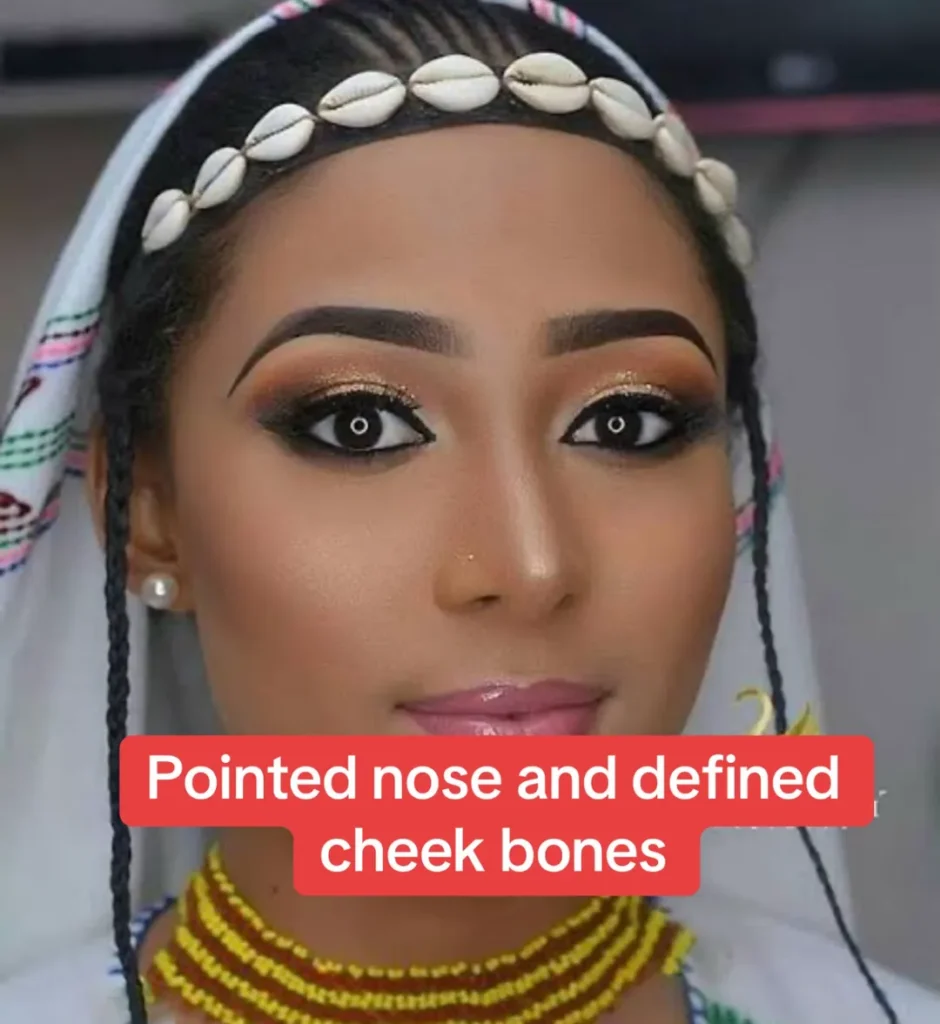
Facial features are another interesting aspect of Nigeria’s ethnic diversity.
Some people of Fulani ancestry are known for particular facial features, which may include relatively narrow noses or prominent cheekbones. However, appearances vary considerably among individuals and families.
Northern Nigeria is home to numerous ethnic groups, and no single facial structure represents them all.
Beauty comes in many forms, and one of the fascinating things about Nigeria is the variety of features found across its population.
9. Beautiful Jewellery and Gold Accessories
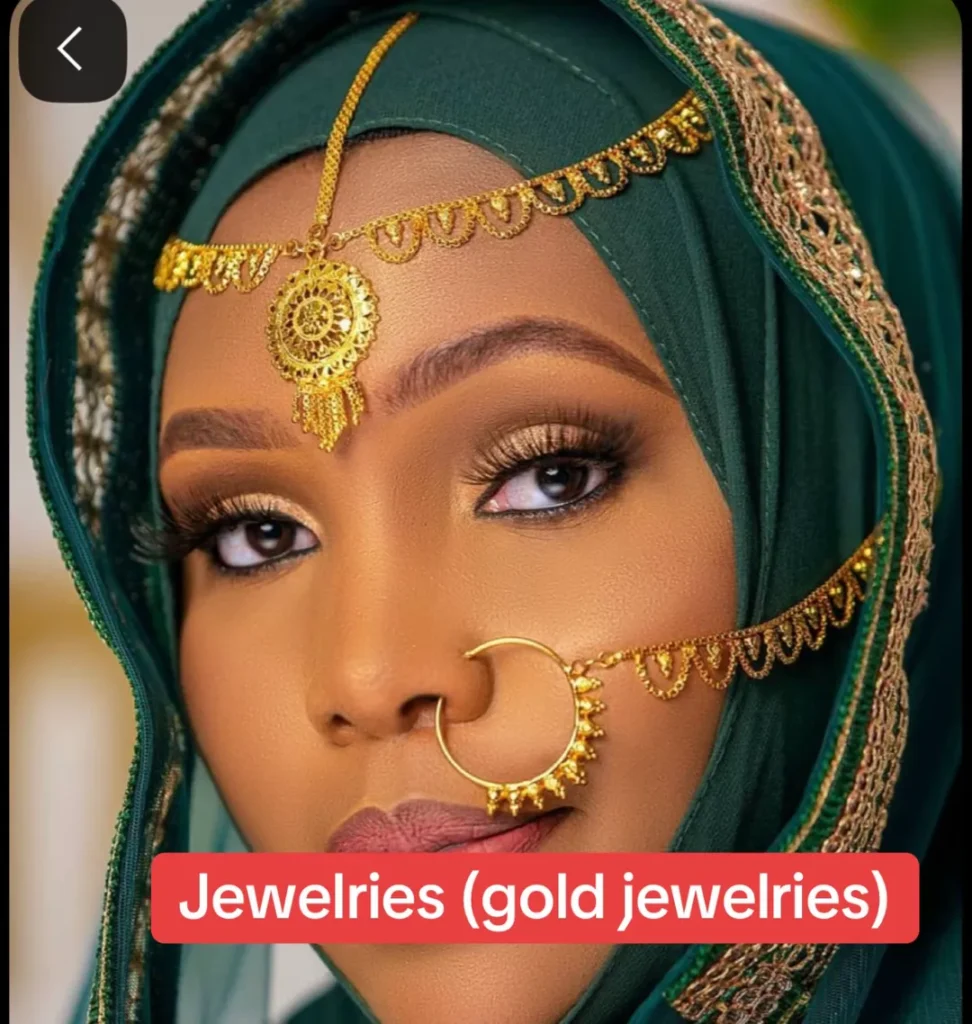
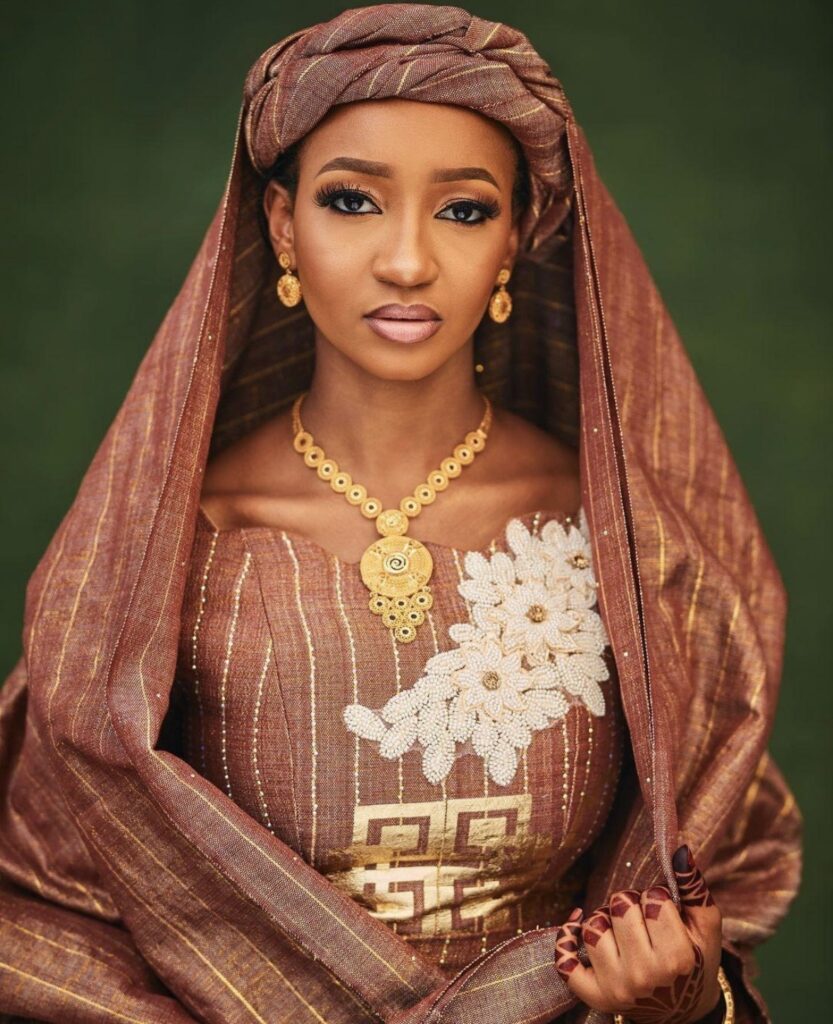
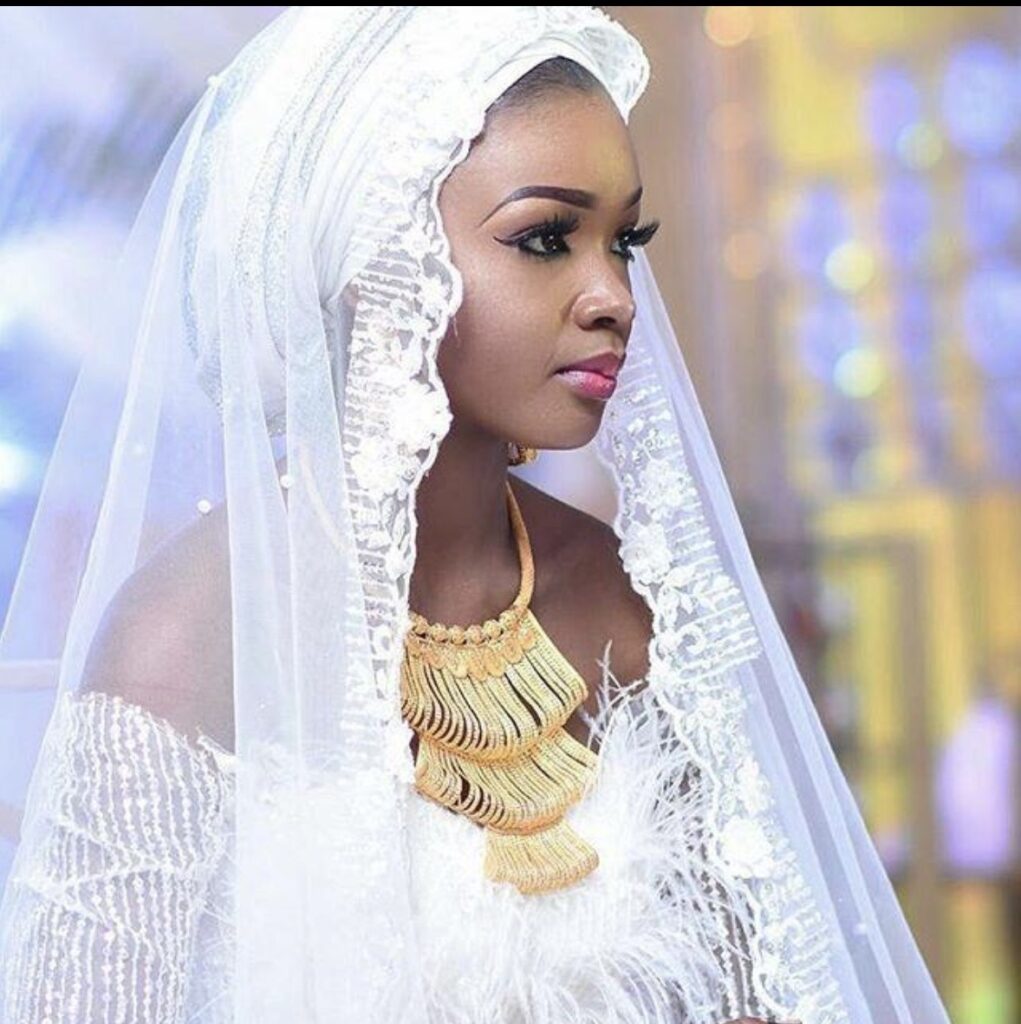
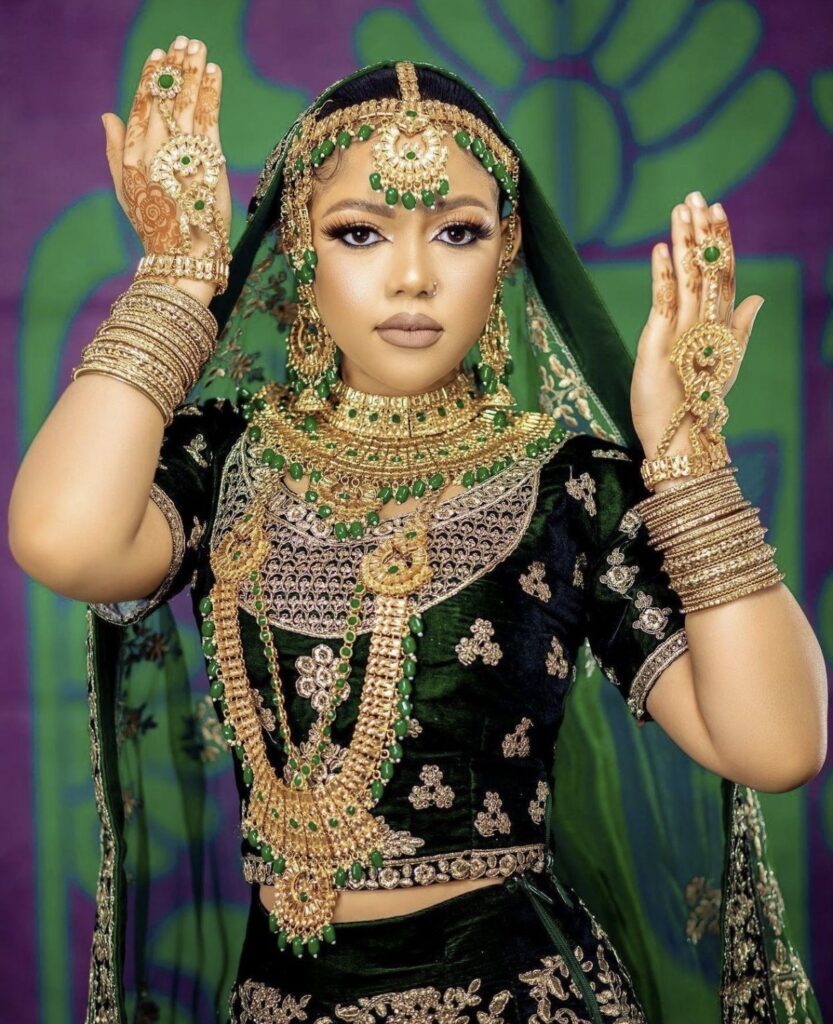
Jewellery can play an important role in traditional Northern Nigerian fashion, particularly during weddings and other celebrations.
Gold-coloured accessories, necklaces, bracelets, earrings, and decorative pieces can add elegance to traditional outfits. In some communities and families, gold jewellery is also valued as a gift, an investment, or a treasured possession.
Bridal celebrations, in particular, can feature elaborate jewellery that complements the bride’s clothing and overall appearance.
For women who love accessorising, the right jewellery can transform an outfit from simple to spectacular!
10. The Stylish Nose Ring
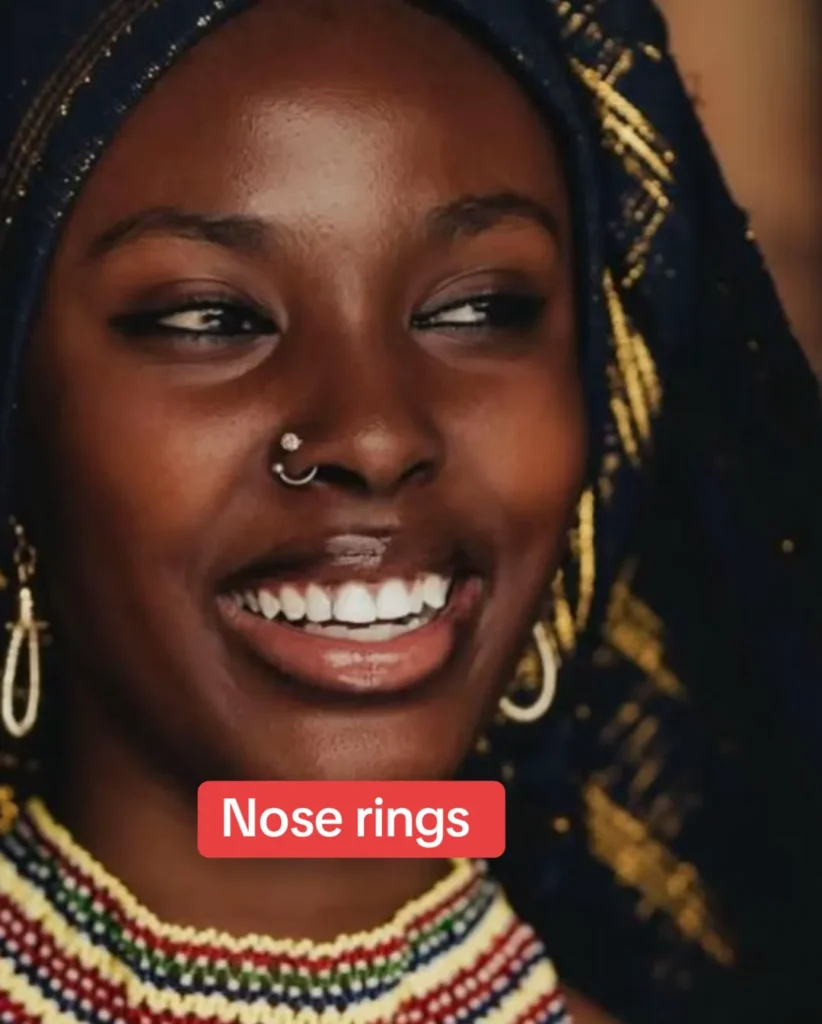
Nose rings are another accessory that some women wear to complement their personal style or traditional outfits.
Depending on the individual and cultural setting, nose jewellery can be worn as a fashion statement or as part of a traditional look.
Some prefer small, delicate studs, while others choose more noticeable designs.
Like other forms of jewellery, nose rings are a matter of personal taste, and their popularity varies between communities and individuals.
11. Modest Dressing with Elegance
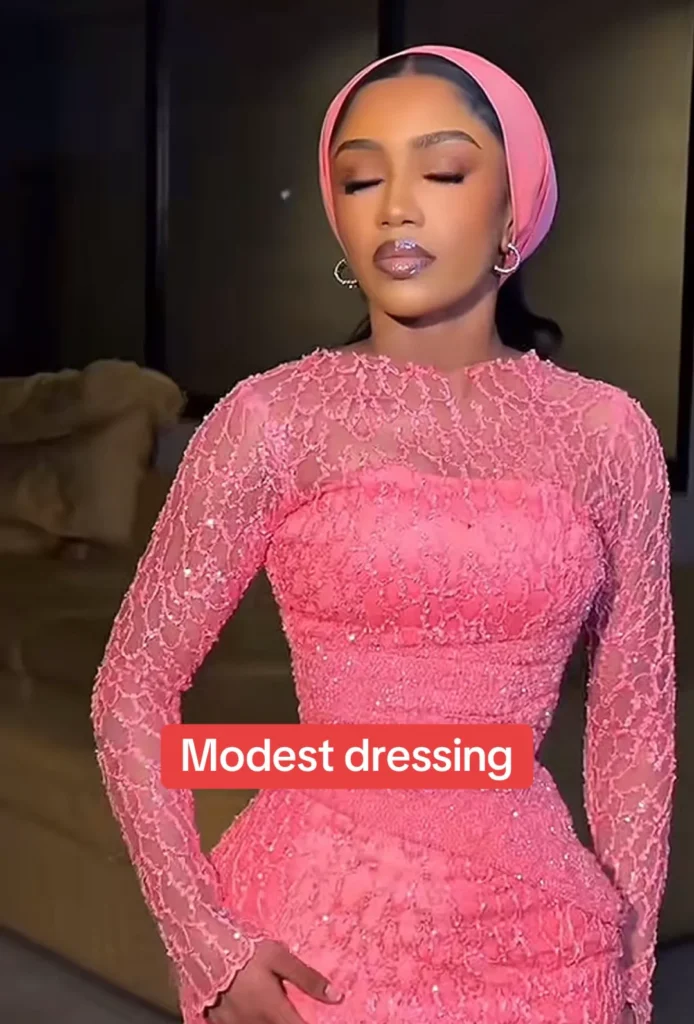
Modest fashion is an important part of everyday dressing for many Muslim women in Northern Nigeria.
Depending on personal beliefs and preferences, some women choose loose-fitting gowns, long skirts, wide-leg trousers, or outfits that cover much of the body.
The interesting part is how modest fashion continues to evolve. Women can maintain their preferred level of coverage while experimenting with colours, fabrics, tailoring, and accessories.
Modest dressing does not have to mean sacrificing style. From simple everyday outfits to elaborate occasion wear, there are many ways to look elegant while dressing modestly.
12. Head Coverings: From Hijabs to Turbans

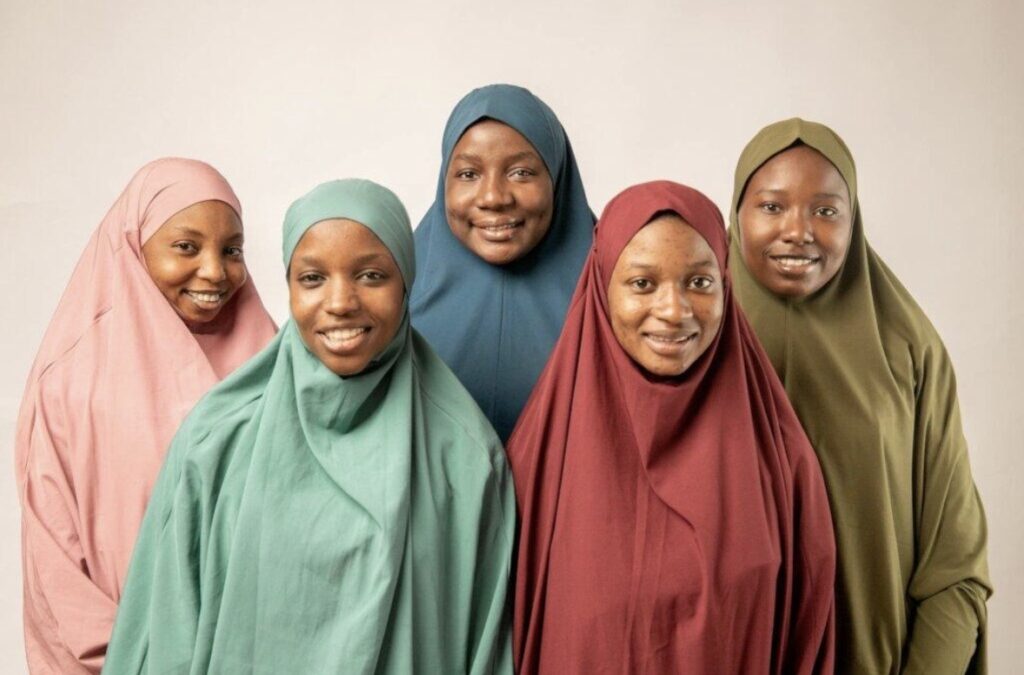
For many Northern Nigerian women, covering the head is an important part of their everyday appearance.
While some wear hijabs that cover the hair and neck, others use head wraps or turbans, depending on their religious beliefs, cultural practices, and personal preferences.
You might even notice students wearing trousers, skirts, or other modern outfits while keeping their heads covered.
In some cases, you may spend years knowing a female classmate without ever seeing her hair uncovered!
The styles vary, but head coverings can be an important expression of faith, identity, and personal choice.
13. The Elegant Abaya
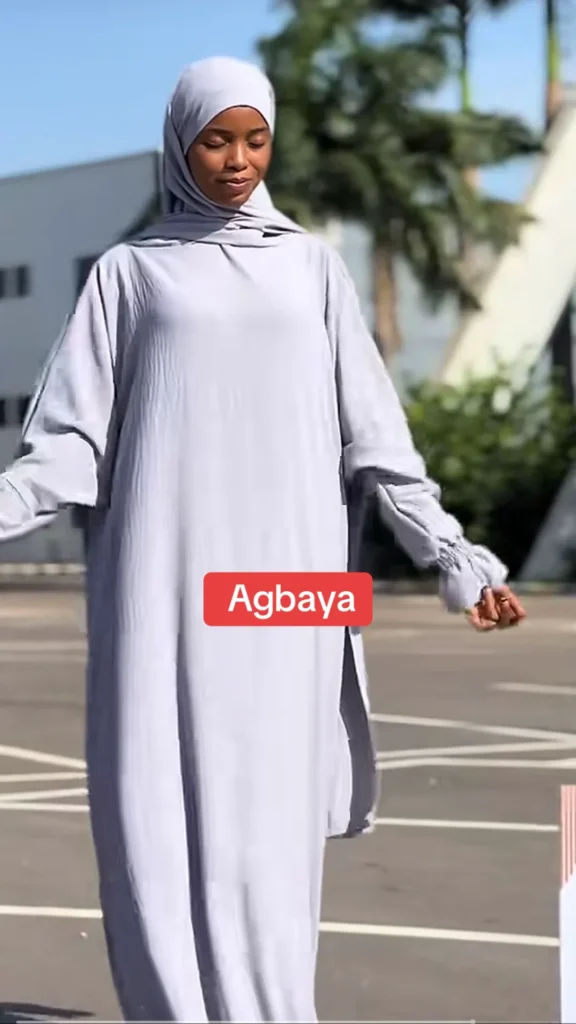
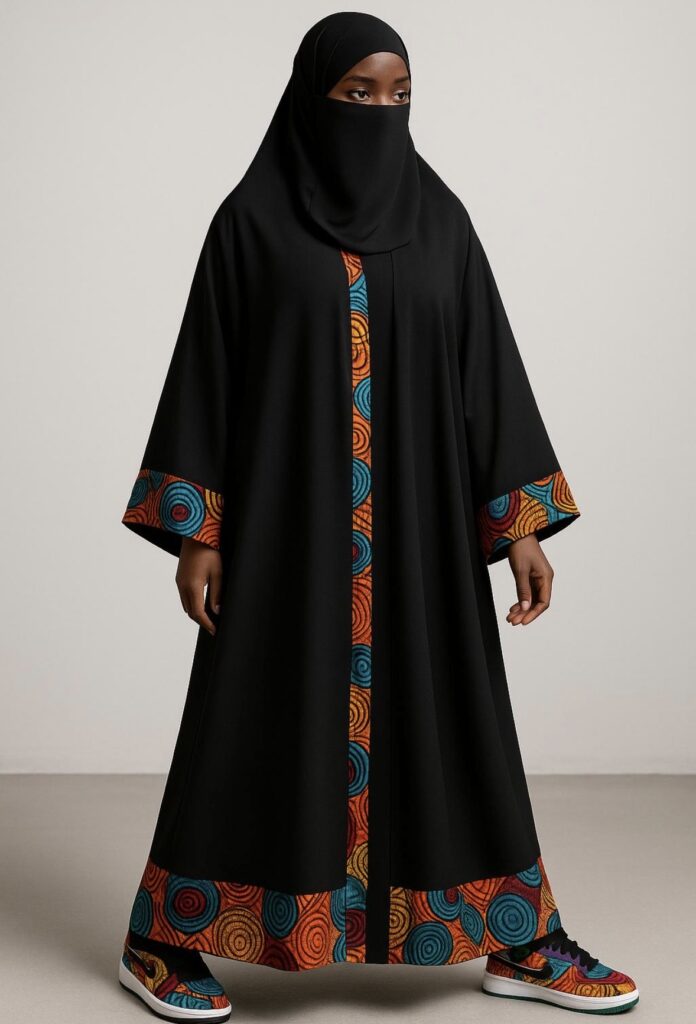
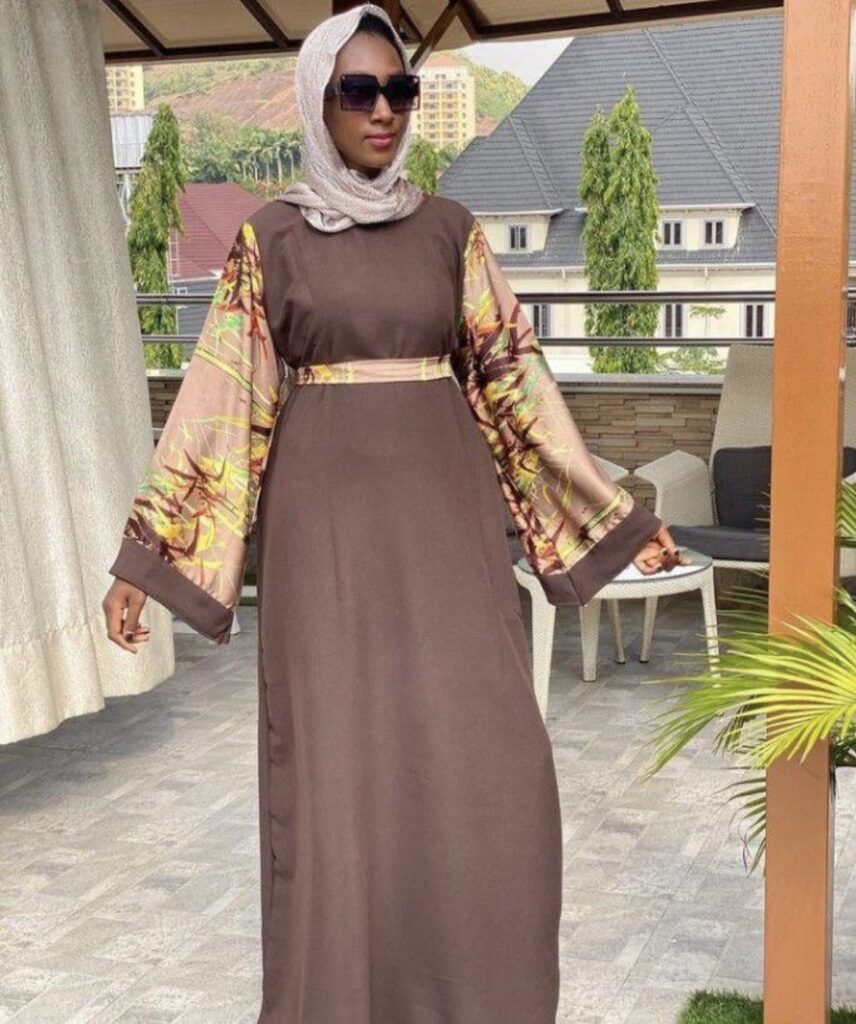
The abaya is a long, loose-fitting garment worn by many Muslim women. It is especially popular among women who prefer modest fashion.
Although black is a familiar colour, modern abayas come in a wide range of shades, fabrics, and designs. Some feature embroidery, decorative sleeves, beads, or subtle embellishments, while others maintain a simple, understated appearance.
Abayas can be worn for everyday activities, religious gatherings, and special occasions. They are also easy to style with matching hijabs, handbags, and jewellery.
For anyone who appreciates modest fashion, a well-made abaya can be both comfortable and elegant.
14. The Love for Friendship and Moving in Groups
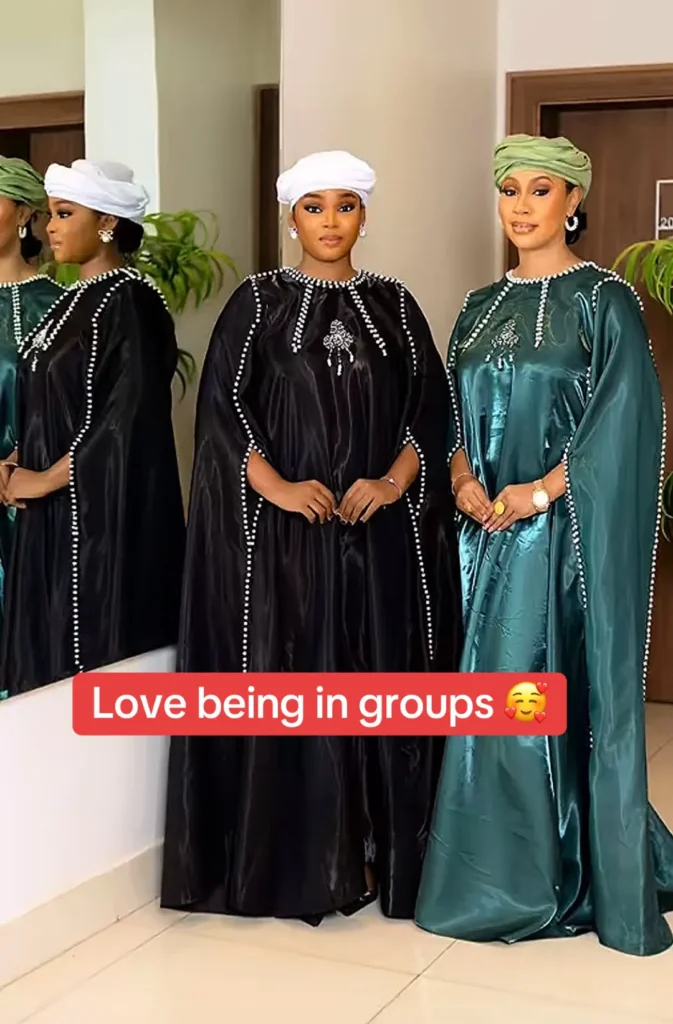
Walk around some university campuses, markets, or social gatherings in Northern Nigeria, and you may notice groups of friends chatting, laughing, and spending time together.
Friendship groups are an important part of social life for many people, and women are no exception. Friends may attend classes together, shop together, study together, or simply enjoy each other’s company.
In some communities, close family ties and social networks also play an important role in everyday life.
Of course, not every Northern Nigerian woman prefers moving around in a group, but strong friendships are something people everywhere can appreciate.
Sometimes, the best part of an outing is simply having your people around you!
15. Kajal: A Familiar Beauty Essential
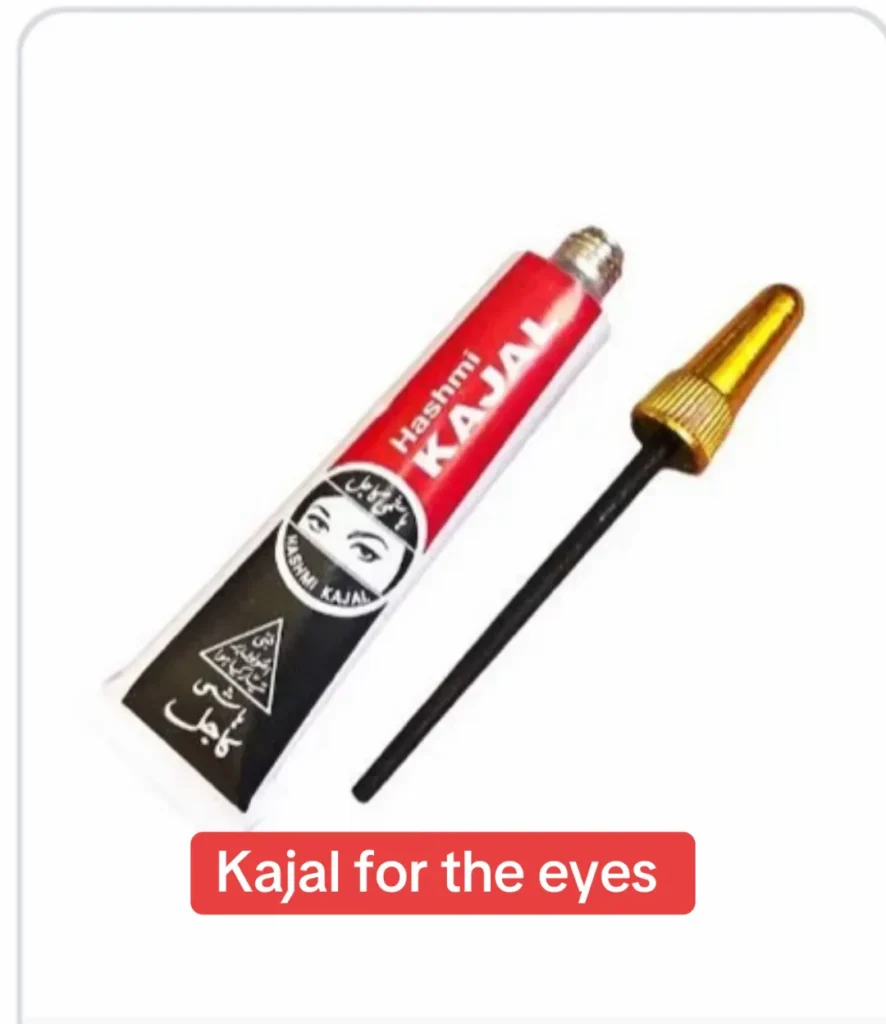
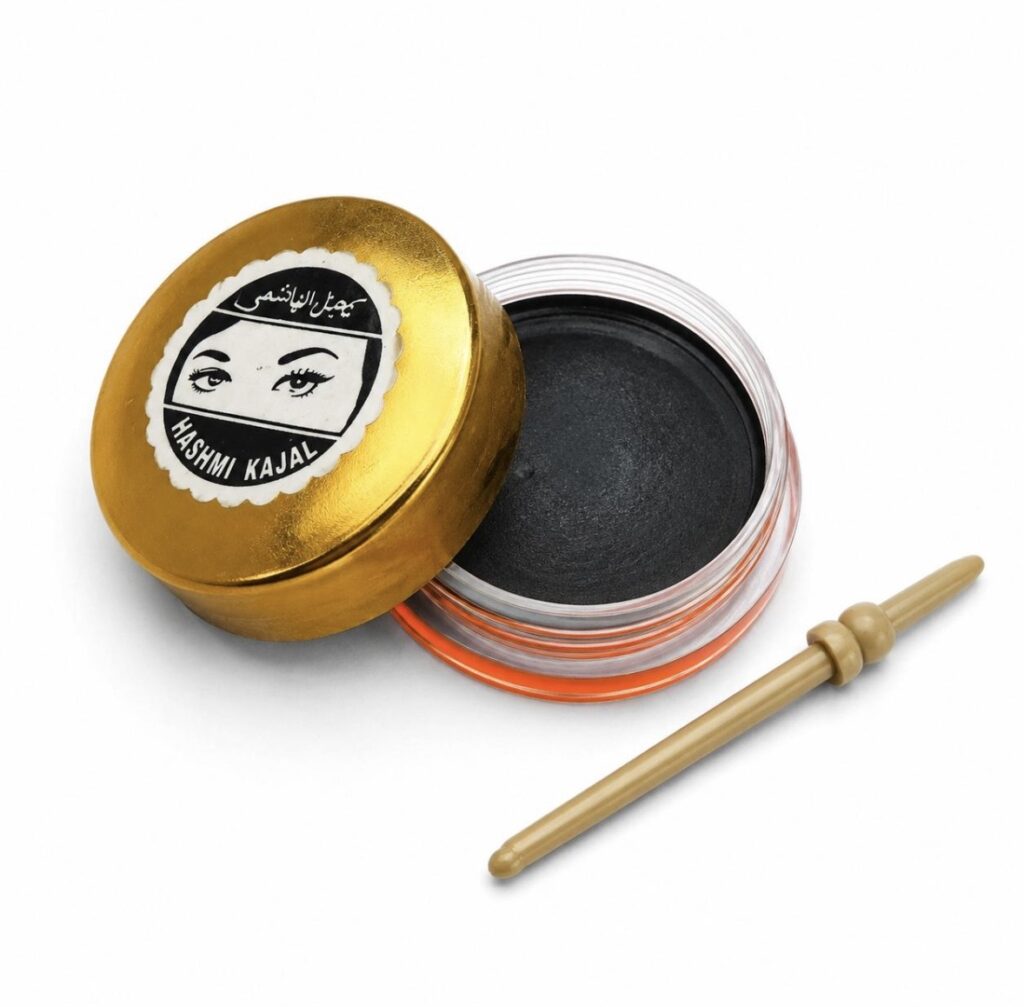
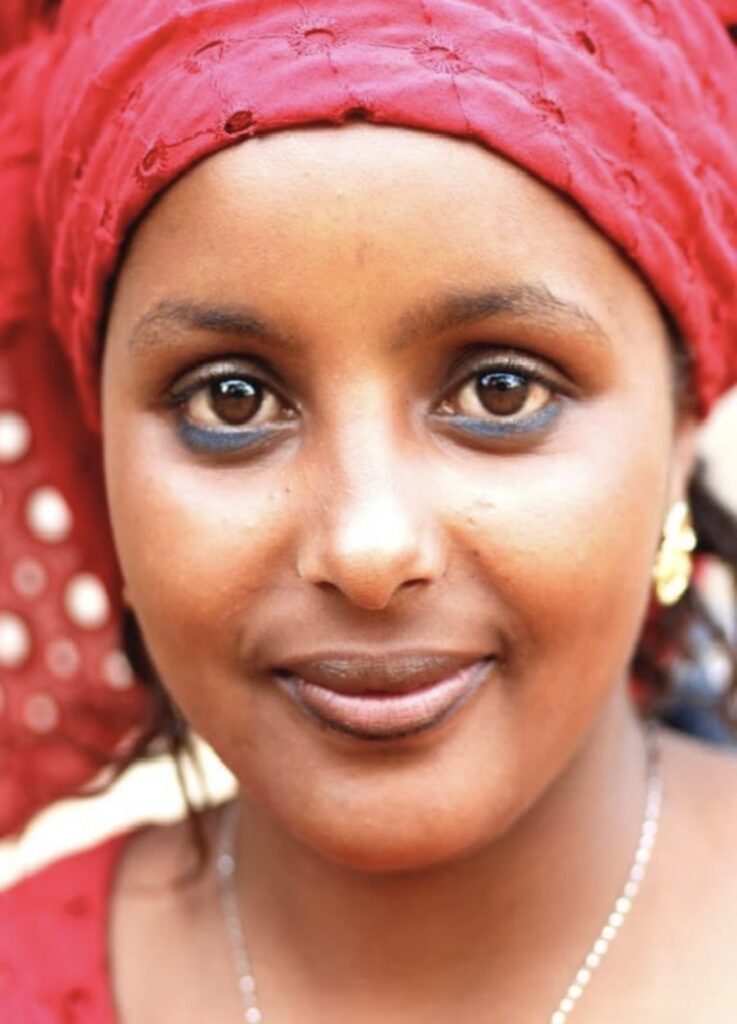
If you grew up in parts of Northern Nigeria, you may be familiar with kajal, a traditional eye cosmetic used to define the eyes.
Kajal is applied around the eyes and is often associated with a bold, darkened eye look. Some people use it because they like the appearance it creates, while traditional beliefs about its benefits are also passed down in some families.
It is worth noting that kajal products differ in their ingredients, and some traditional formulations may contain harmful substances, including lead. Products from unverified sources should therefore be avoided, especially around the eyes.
For those who enjoy the look, choosing a properly tested cosmetic product is the safer option.
Conclusion: Northern Nigerian Beauty Is More Than a Look
From colourful Ankara outfits and elegant abayas to lalle designs, beautiful jewellery, and different styles of head coverings, Northern Nigeria has a rich variety of fashion and beauty traditions.
But the region is far more diverse than any list can capture. Hausa, Fulani, Kanuri, Nupe, and many other communities have their own histories, traditions, and styles. Even within the same community, personal preferences can differ greatly.
Now, let’s hear from you!
Which of these styles or traditions do you find most interesting? And if you’re from Northern Nigeria, what would you add to this list?
Share your thoughts in the comments!
Leave a Reply