
Nigeria is home to numerous islands, coastal communities, waterfront neighbourhoods, and beach destinations. From the bustling commercial districts of Lagos to the coastal landscapes of the Niger Delta, these locations reveal a different side of the country’s geography and natural beauty.
Some are known for their history and culture, others for their beaches, maritime activities, luxury developments, or rich natural environments. Here are 16 islands and island destinations in Nigeria worth knowing about.
1. Lagos Island – Lagos State
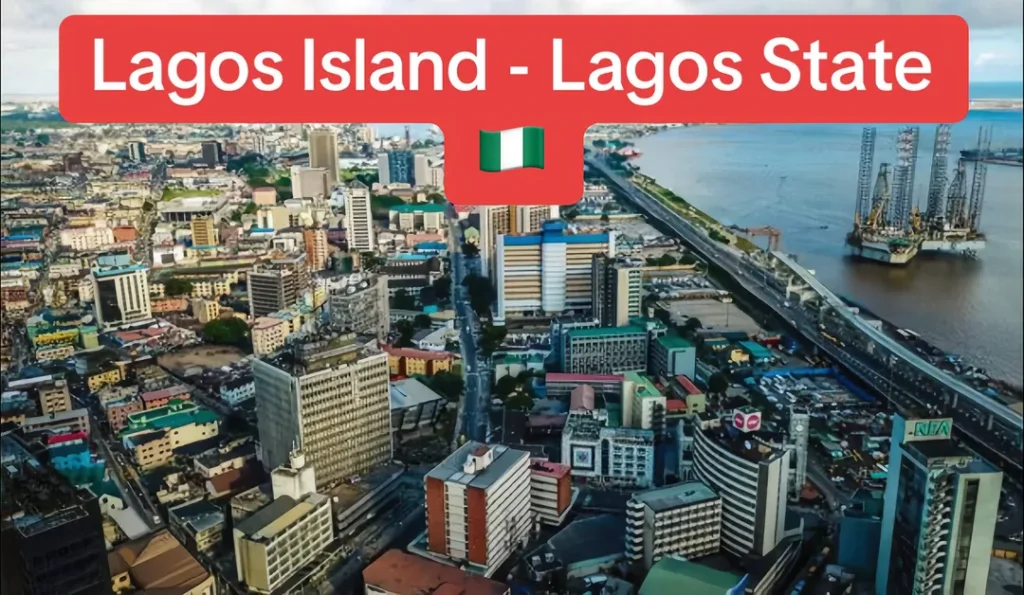
Located in the heart of Lagos, Lagos Island, also known as Isale Eko, is one of the most historically significant parts of Nigeria’s commercial capital. It was the original settlement from which modern Lagos developed and remains a major centre for trade, business, and cultural activities.
The island is home to popular markets, historic buildings, traditional institutions, and landmarks such as Tinubu Square and the Brazilian Quarter. Although it is now heavily urbanised, Lagos Island retains much of the cultural identity and history that helped shape the city.
Location: Lagos State, southwestern Nigeria.
Size: The Lagos Island Local Government Area is approximately 9.26 square kilometres, although figures vary depending on the administrative boundaries used.
2. Bonny Island – Rivers State

Bonny Island is a prominent coastal destination in Rivers State, situated in the Niger Delta near the Atlantic Ocean. It is known for its rich history, maritime connections, fishing traditions, and importance to Nigeria’s oil and gas industry.
The island is home to the historic Bonny Kingdom and major energy infrastructure, including Nigeria’s liquefied natural gas facilities. Its coastal environment, waterways, and surrounding communities make it an interesting location for those exploring the history and geography of the Niger Delta.
Location: Bonny Local Government Area, Rivers State.
Size: The wider Bonny Island area is reported to cover approximately 344 square kilometres, although figures depend on the boundaries used.
3. Brass Island – Bayelsa State
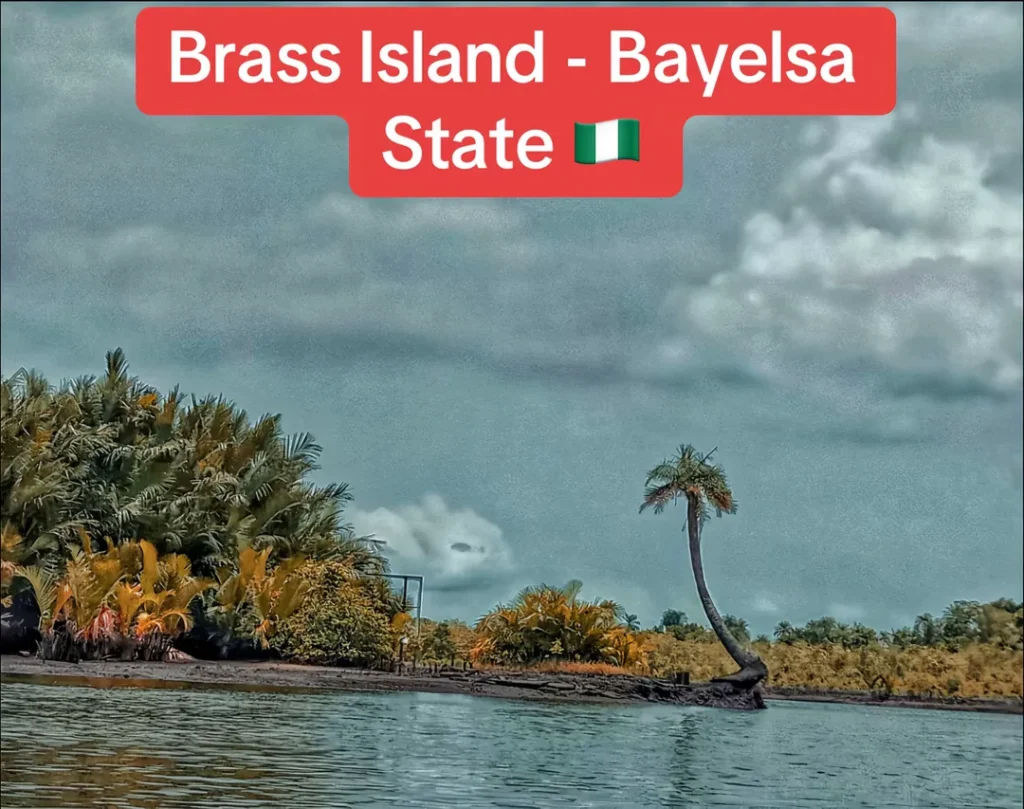
Situated in Bayelsa State, Brass Island is a coastal location surrounded by waterways and the Atlantic-facing environment of the Niger Delta. It is known for its fishing communities, maritime activities, and connection to Nigeria’s petroleum industry.
The island’s coastal setting offers a glimpse into life in the Niger Delta, where rivers, creeks, and the sea play important roles in transportation and local livelihoods. Brass is also associated with oil and gas development, including plans for an oil and gas industrial hub.
Location: Brass Local Government Area, Bayelsa State.
4. Snake Island – Lagos State
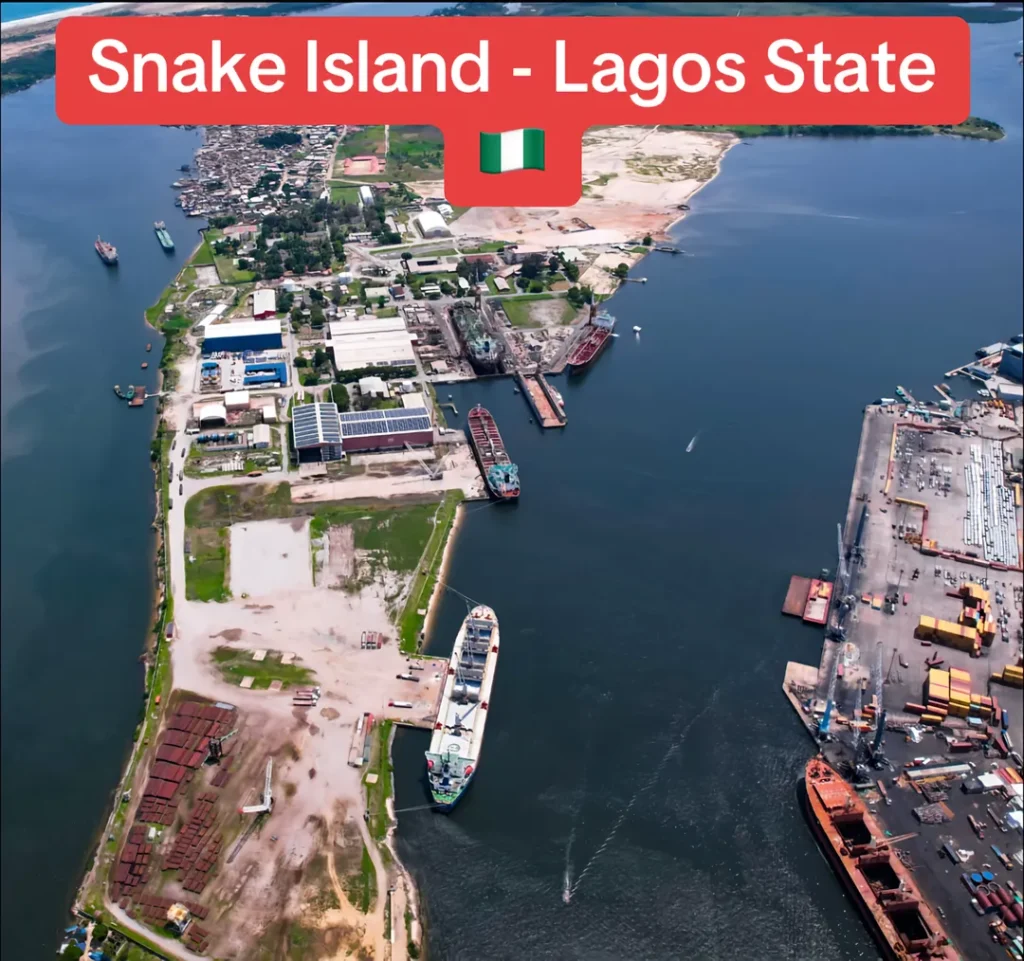
Snake Island is located in the coastal and lagoon environment of Lagos, opposite the Tin Can Island Port and Apapa area. Its name is associated with its long, snake-like geographical shape.
The island contains several residential communities and has historically faced challenges with infrastructure and access to essential services. It is also associated with maritime and industrial activities, including shipbuilding and port-related development.
Unlike the more developed areas of Lagos, parts of Snake Island retain a relatively less urbanised character, making it an interesting example of the contrasts within the Lagos metropolitan area.
Location: Lagos State, southwestern Nigeria.
Size: The island is approximately 14 kilometres long and 1.4 kilometres wide.
5. Tin Can Island – Lagos State
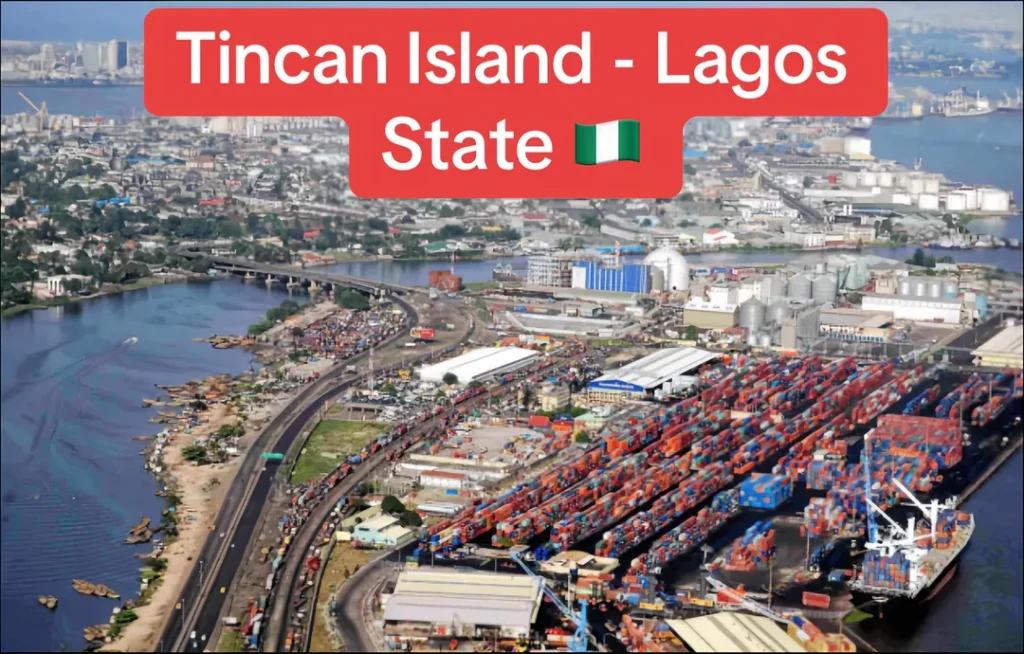
Tin Can Island is best known for its major seaport, one of Nigeria’s most important gateways for international trade. Located in the Apapa area of Lagos, it plays a significant role in the movement of imported goods, vehicles, containers, and other cargo.
The Tin Can Island Port began operations in 1977 and was developed to help ease pressure on Lagos’s existing port facilities. Today, the area is primarily associated with maritime commerce, shipping, logistics, and industrial activities rather than conventional beach tourism.
Although it may not be a typical holiday destination, Tin Can Island demonstrates the economic importance of Nigeria’s coastal geography.
Location: Apapa, Lagos State.
Size: The port complex covers approximately 79 hectares, although this figure refers to the port facilities rather than the entire island.
6. Andoni Island – Rivers State
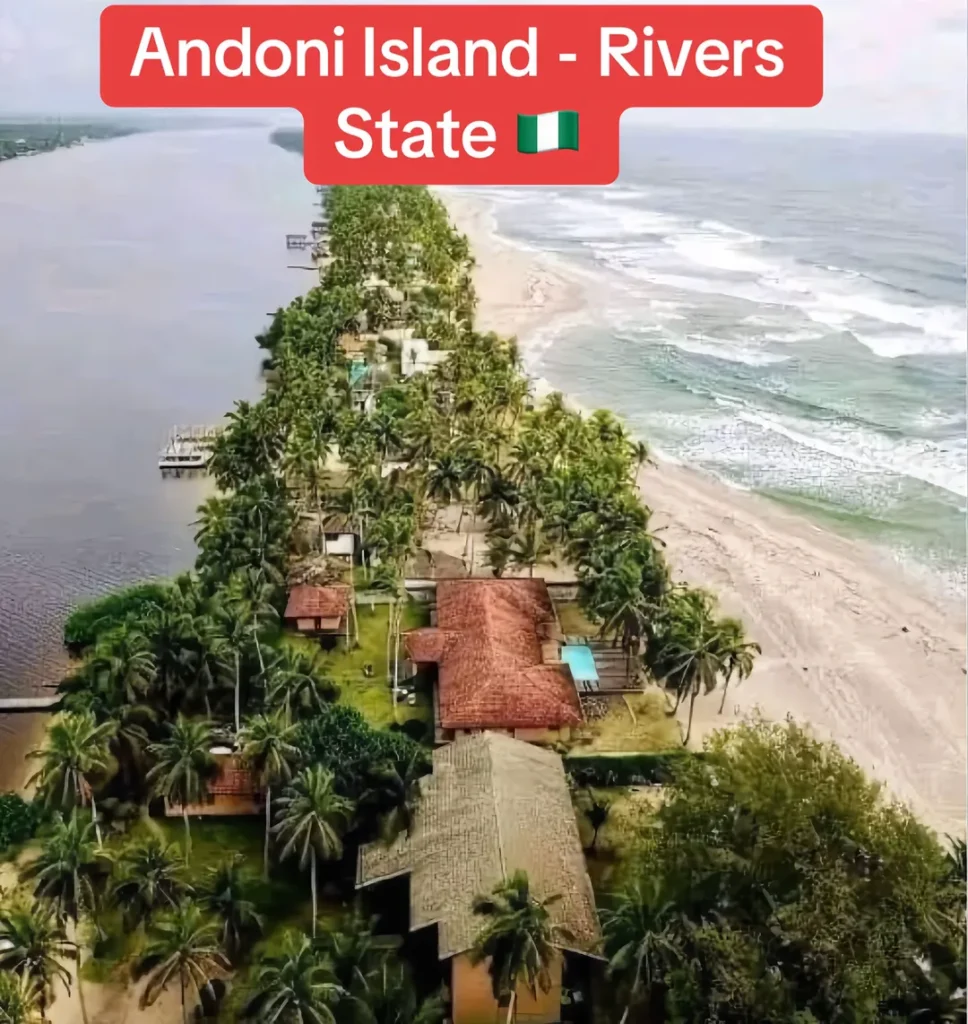
Andoni Island lies along the eastern fringe of the Niger Delta in Rivers State. It is notable for its coastal landscape, wildlife, marine environment, and surrounding communities whose livelihoods are closely connected to fishing and the waterways.
The island is particularly interesting from a nature and conservation perspective. The wider Andoni area is associated with important wildlife habitats, including nesting grounds for sea turtles and other coastal species.
Its natural environment makes it a potentially fascinating destination for ecotourism, wildlife observation, and exploration of the Niger Delta’s biodiversity.
Location: Andoni Local Government Area, Rivers State.
Size: Andoni Island is reported to cover approximately 124 square kilometres.
7. Gberefu Island – Lagos State
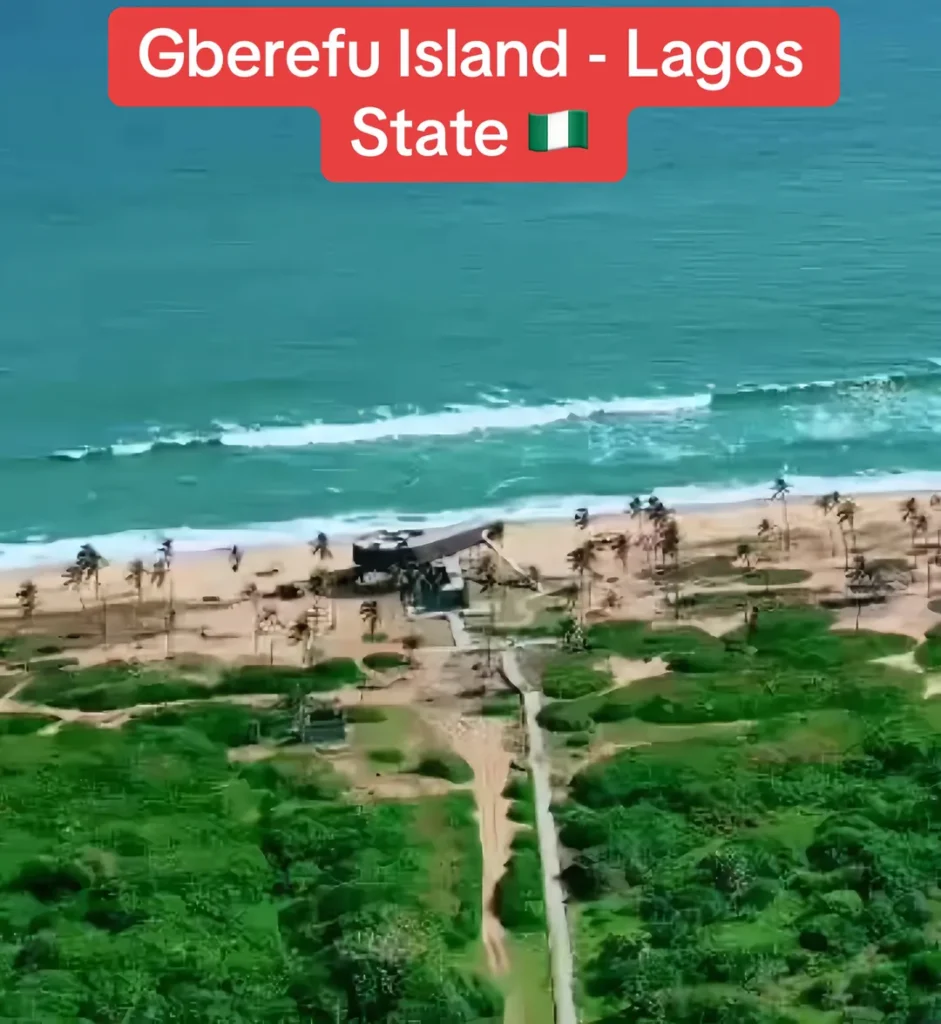
Gberefu Island, popularly known as the Point of No Return, is a historically significant island in Badagry, Lagos State. The island played an important role during the transatlantic slave trade, serving as a departure point from which enslaved Africans were transported across the Atlantic Ocean.
Today, the island is a heritage destination where visitors can learn about this painful chapter in Nigerian and African history. One of its most recognisable landmarks is the Point of No Return monument, which stands as a reminder of the countless lives affected by the slave trade. The island also features coastal scenery, sandy stretches, and traditional fishing communities.
Location: Badagry, Lagos State, southwestern Nigeria.
8. Ogogoro Island – Lagos State
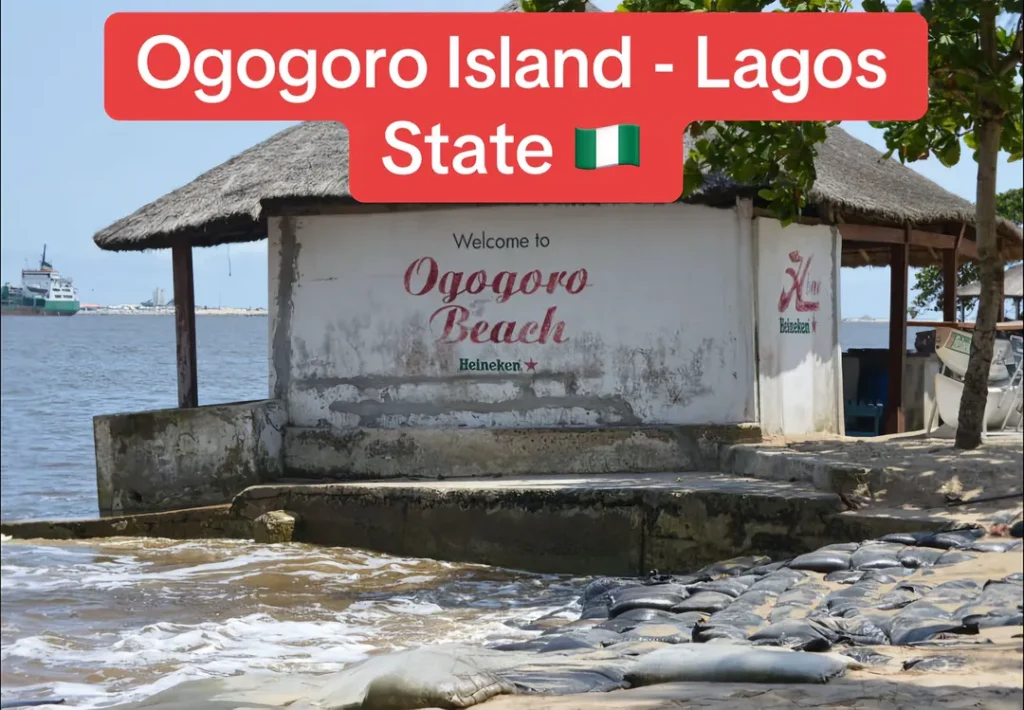
Ogogoro Island is another lesser-documented location on your list. Lagos and its surrounding coastal areas contain numerous small islands, settlements, and communities connected by lagoons and waterways.
However, reliable information confirming Ogogoro Island’s exact location, geographical boundaries, size, and established tourist attractions is limited.
Before publishing a detailed profile, it would be useful to verify the name against a reliable map or a local source familiar with the area. This will help ensure that readers can identify the correct location and distinguish it from places with similar names.
Location: Reportedly in Lagos State; further verification is needed.
9. Parrot Island – Akwa Ibom State
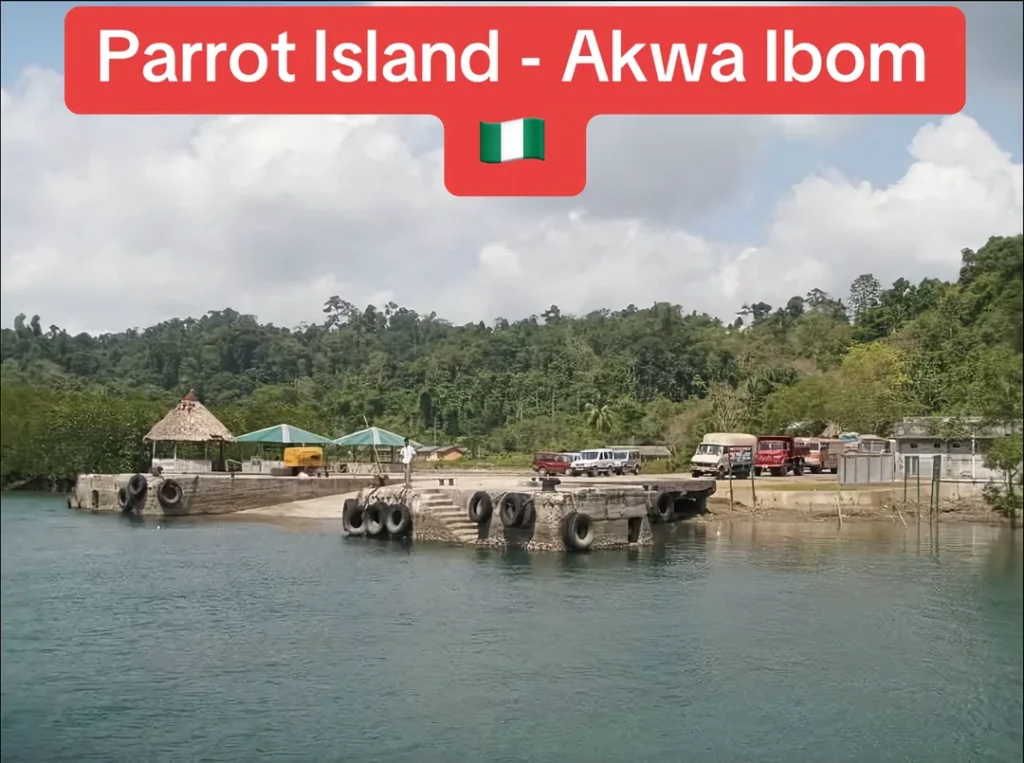
Akwa Ibom State is known for its coastal communities, rivers, creeks, and Atlantic coastline. These environments support fishing, maritime transportation, and a variety of coastal ecosystems.
Parrot Island is a name that would benefit from further geographical verification before being featured as a confirmed tourist destination in the state. Detailed, reliable information about its precise location, land area, and visitor attractions is limited.
Confirming the island’s location with a local source would make it possible to develop a more informative profile, particularly if the intention is to highlight its scenery, wildlife, or potential for tourism.
Location: Reportedly in Akwa Ibom State; precise location requires confirmation.
10. Banana Island – Lagos State
Banana Island is one of Nigeria’s most recognisable luxury residential developments. Located in the Ikoyi area of Lagos, the man-made island is known for its upscale homes, landscaped surroundings, organised road network, and high-end residential properties.
Its name comes from its distinctive curved shape, which resembles a banana. The development was designed to provide an exclusive residential environment within one of Africa’s busiest cities.
Although it is often associated with wealth and luxury living rather than conventional tourism, Banana Island is an interesting example of how land reclamation and urban planning have transformed parts of Lagos’s waterfront.
Location: Ikoyi, Lagos State.
Size: The developed land area is approximately 1.63 million square metres, equivalent to 163 hectares or 1.63 square kilometres.
11. Eko Atlantic – Lagos State
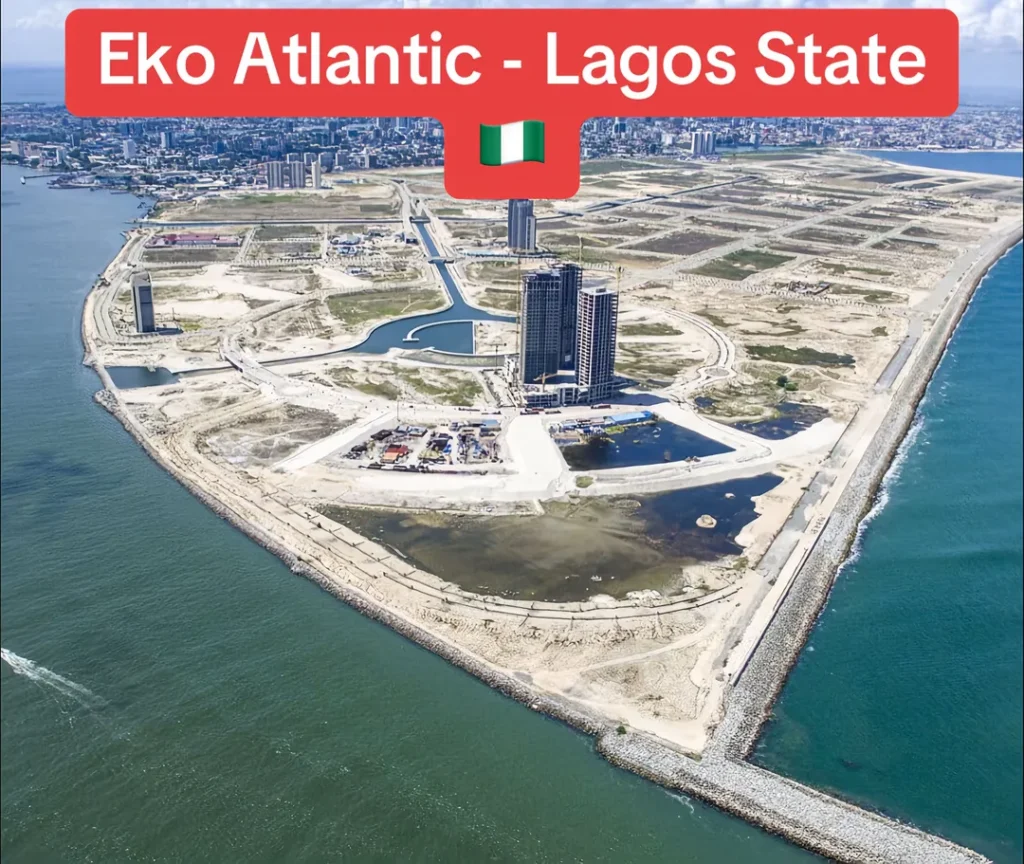
Eko Atlantic is a major urban development built on reclaimed land along the Atlantic coastline of Lagos. Designed as a modern city, the project features planned roads, commercial districts, residential developments, and extensive coastal infrastructure.
One of its most significant features is the Great Wall of Lagos, a coastal protection structure designed to help defend the development and neighbouring areas against ocean surges and coastal erosion.
Eko Atlantic represents an ambitious attempt to expand Lagos’s urban landscape while creating a new centre for business, residential living, and investment. It is important to note that it is a reclaimed coastal development rather than a conventional natural island.
Location: Atlantic coastline, adjacent to Victoria Island, Lagos State.
Size: The planned development covers approximately 10 square kilometres.
12. Victoria Island – Lagos State
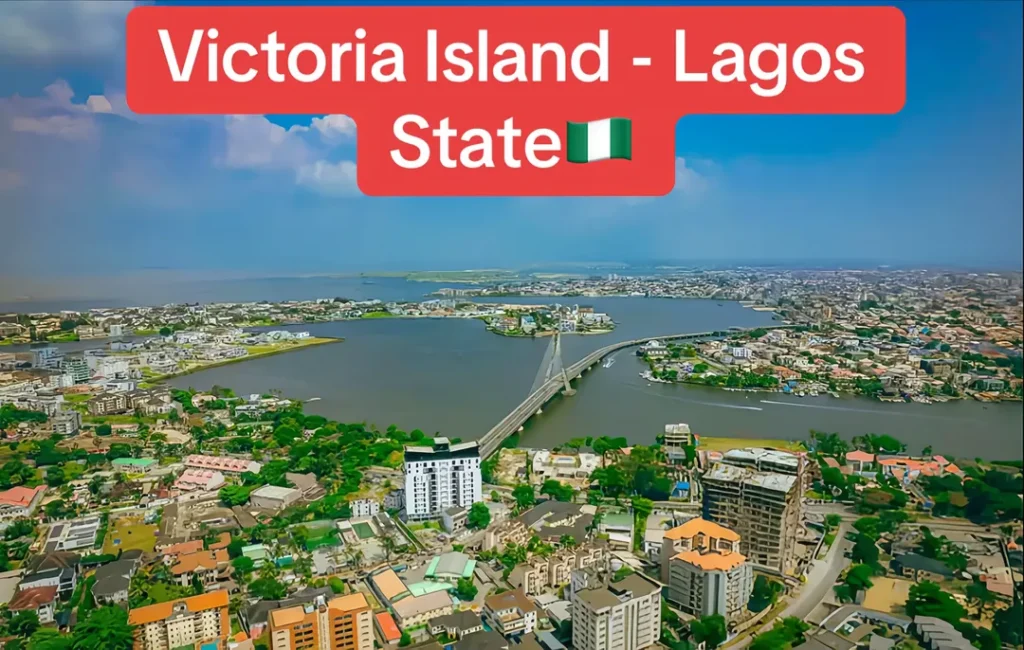
Victoria Island is one of Lagos’s best-known waterfront districts, recognised for its commercial importance, modern buildings, hotels, restaurants, and entertainment destinations.
Located close to the Atlantic Ocean and Lagos Lagoon, the area has developed into a major centre for banking, business, hospitality, and upscale residential living. It also offers access to several coastal leisure destinations and waterfront establishments.
Victoria Island combines the energy of a major business district with the appeal of a coastal urban environment, making it one of the most recognisable locations in Lagos.
Location: Lagos State, southwestern Nigeria.
13. Abagbo Island – Lagos State
Abagbo Island is a lesser-known riverine community in Lagos State, situated within the coastal environment of Lagos, near Tarkwa Bay. Unlike the busy commercial districts and luxury developments that Lagos is famous for, Abagbo is associated with the city’s quieter waterfront settlements.
The community is part of the wider network of coastal and riverine locations that contribute to Lagos’s geographical diversity. These communities have historically faced challenges with infrastructure and development, despite being located within Nigeria’s most commercially active state.
Abagbo offers an opportunity to explore a less-publicised side of Lagos, beyond its skyscrapers, busy roads, and bustling markets.
Location: Lagos State, southwestern Nigeria, near Tarkwa Bay.
14. Eba Island – Ogun State
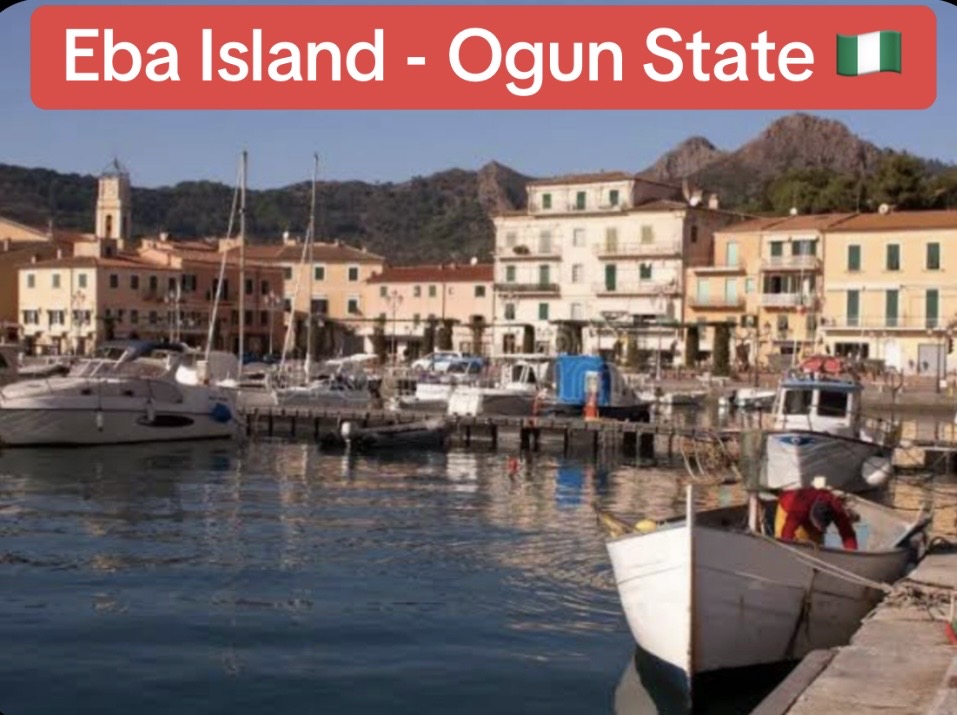
Its location near the coastal waterways of southwestern Nigeria makes it relevant to discussions about Nigeria’s coastal geography, natural resources, and the relationship between local communities and economic development.
Eba Island is also an example of why accurate geographical identification matters: different places can share similar names, so the island should not be confused with other communities called Eba.
Location: Ogun Waterside Local Government Area, Ogun State.
15. Tongeji Island – Lagos State
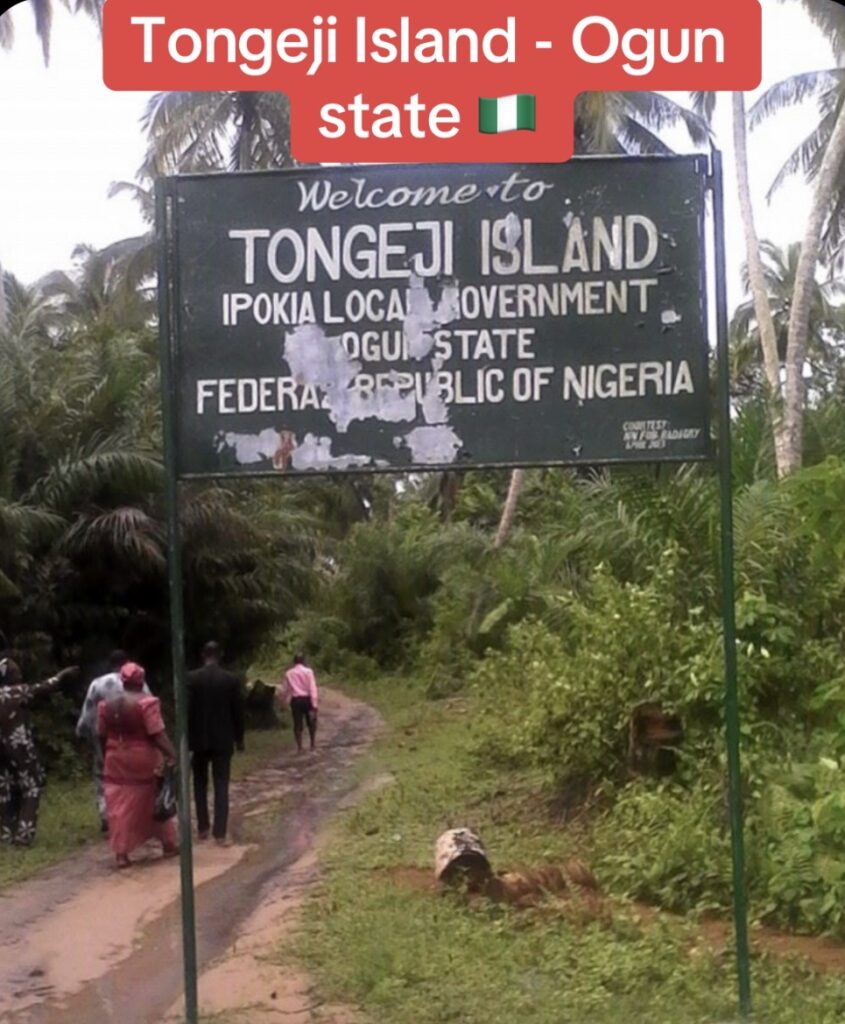
The island is situated along Nigeria’s western Atlantic coastline and is associated with fishing communities and the coastal environment. Its location also gives it geographical significance because of its proximity to Nigeria’s international boundary with Benin.
For a tourism-focused article, Tongeji Island could be an interesting subject for exploring coastal life and lesser-known Nigerian destinations.
Location: Ogun State, near the Nigeria–Benin border, rather than Lagos State.
16. Tarkwa Bay – Lagos State
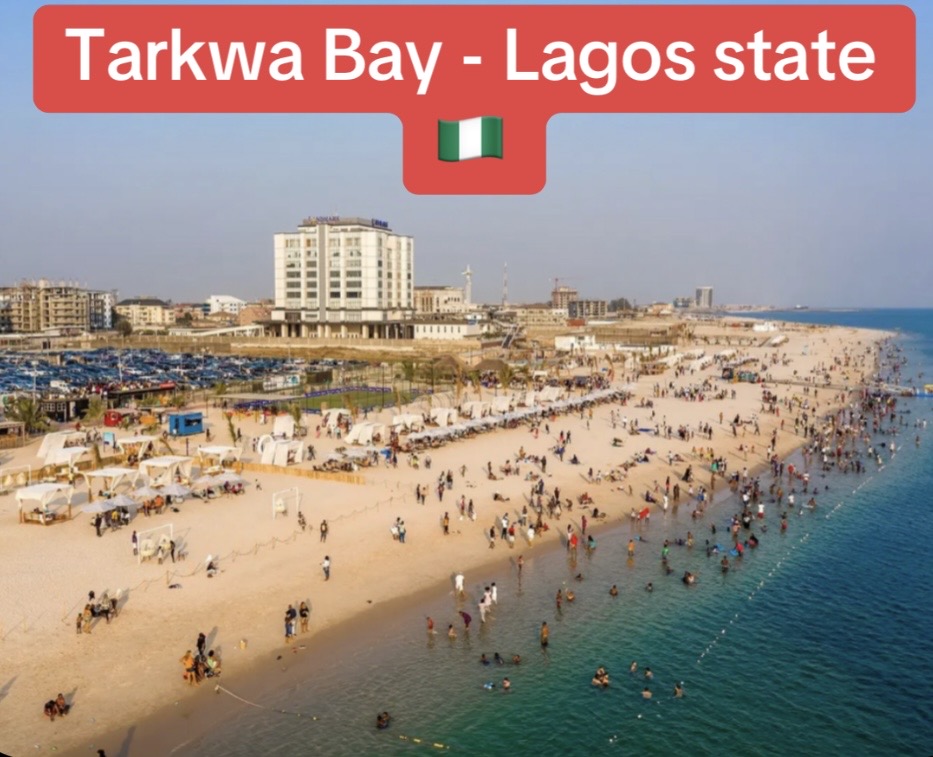
The beach is popular for relaxation, swimming in suitable conditions, surfing, and other leisure activities. Its sandy shoreline and coastal setting make it an appealing escape for residents and visitors seeking a break from the city.
Although commonly described alongside Lagos’s islands, Tarkwa Bay is best identified as a beach destination rather than a separate island.
Location: Near Lagos Harbour, Lagos State.
Discover More of Nigeria with Naija Chain
From historic trading centres and coastal communities to luxury waterfront developments and sandy beaches, Nigeria’s islands and island destinations reveal the country’s remarkable geographical diversity.
Some are important economic hubs, while others offer opportunities for recreation, wildlife conservation, and cultural exploration. Learning about these places helps shine a light on parts of Nigeria that are often overlooked.
As interest in domestic tourism continues to grow, these destinations offer opportunities to explore Nigeria beyond its familiar cities and landmarks.
Leave a Reply